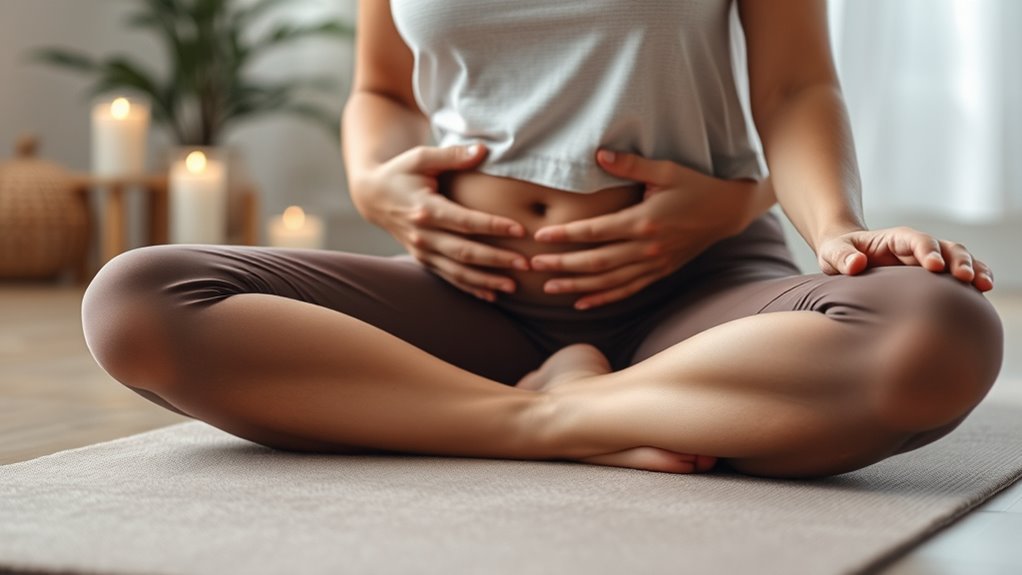

To recover your pelvic floor, focus on regular exercises like kegels to strengthen the muscles supporting your bladder, uterus, and rectum. Learn proper technique by tightening these muscles without involving your thighs or abdomen, gradually increasing hold times as you get stronger. Incorporate lifestyle changes like avoiding heavy lifting and staying hydrated. Patience is key—consistent effort will gradually improve your pelvic health. Keep exploring to discover more effective strategies for your recovery journey.
Key Takeaways
- Regular pelvic floor exercises like Kegels strengthen support muscles, reducing incontinence and prolapse risks.
- Proper technique involves gentle contractions, avoiding engagement of thighs, buttocks, or abdomen.
- Gradually increase hold duration and intensity while monitoring for discomfort to ensure safe progression.
- Supportive measures such as posture correction, core engagement, and avoiding strain aid recovery.
- Consistent practice, patience, and professional guidance optimize pelvic floor rebuilding and long-term health.

Recovering your pelvic floor after childbirth or surgery is crucial for restoring strength, function, and confidence. One of the most effective ways to achieve this is through kegel exercises. These targeted movements help strengthen the pelvic muscles, which support your bladder, uterus, and rectum. When you do kegel exercises regularly, you improve your pelvic support, reducing the risk of incontinence and pelvic organ prolapse. To start, identify the right muscles by stopping your urine midstream or tightening the muscles you’d use to hold in gas. Once you’ve located them, contract these muscles gently and hold for a few seconds before relaxing. Repeat this process in sets throughout the day. Consistency is key; over time, you’ll notice increased strength and better control.
It’s normal to experience some discomfort or fatigue when beginning pelvic floor exercises, especially after childbirth or surgery. Don’t push too hard at first—start with short holds and gradually increase the duration as your muscles get stronger. Focus on proper technique, making sure you’re engaging only the pelvic muscles without involving your thighs, buttocks, or abdomen. Proper form ensures you’re effectively targeting the support structures that need rebuilding. As your strength improves, you can incorporate different variations, such as quick contractions or sustained holds, to challenge your muscles and enhance their endurance.
In addition to kegel exercises, paying attention to your overall pelvic support is critical. Avoid activities that strain or weaken your pelvic muscles, like heavy lifting or high-impact sports, until you’re fully recovered. Wearing supportive underwear or a pelvic brace can provide additional stability during daily activities. Also, maintain good posture and core engagement, as these habits help distribute pressure evenly across your pelvic region and prevent unnecessary strain. Remember, recovery isn’t just about exercises—lifestyle adjustments like staying hydrated, avoiding constipation, and maintaining a healthy weight all contribute to better pelvic support. Incorporating proper training techniques can further optimize your recovery process.
Patience is essential during your recovery process. You might not see immediate results, but with consistent effort, your pelvic muscles will regain strength and function. Track your progress by noticing improvements in bladder control, reduced pelvic discomfort, and increased stability. If you experience persistent pain or difficulty, consult a healthcare professional, such as a pelvic floor physiotherapist, who can guide you through tailored exercises and ensure you’re on the right path. Restoring your pelvic support takes time, but with dedication to exercises like kegels and mindful daily habits, you’ll rebuild your strength and confidence, moving toward a healthier, more comfortable pelvic floor.

Kegel Exercise System – Pelvic Floor Exercises – Set of 6 Premium Silicone Kegel Exercise Weights & Control with Training Kit for Women: Beginners & Advanced
Quick Results: 15 minutes a day and just a few short weeks, you will feel the difference! Kegel…
As an affiliate, we earn on qualifying purchases.
As an affiliate, we earn on qualifying purchases.
Frequently Asked Questions
When Can I Resume High-Impact Exercises After Pelvic Floor Recovery?
You can typically resume high-impact exercises around 6 to 8 weeks after impact healing, but listen to your body and consult your healthcare provider. Start with low-impact activities first, gradually increasing intensity as you feel comfortable. Exercise timing is vital; don’t rush back too soon, as it could delay recovery or cause setbacks. Prioritize pelvic floor strength exercises, and make sure you’re fully healed before jumping into high-impact routines.
Are There Specific Foods That Support Pelvic Floor Healing?
Did you know that incorporating foods rich in zinc and vitamin C can boost tissue healing? You should focus on nutrient timing to maximize recovery, eating protein, fruits, and vegetables that support collagen production. Be mindful of food sensitivities, which can cause inflammation and slow healing. Include lean meats, citrus fruits, and leafy greens to promote pelvic floor recovery, and avoid processed foods that hinder the process.
How Do I Know if My Pelvic Floor Muscles Are Fully Healed?
You’ll know your pelvic floor muscles are fully healed when you regain pelvic floor awareness and notice improved muscle tone. Pay attention to how you feel during exercises and daily activities—if you experience less discomfort, better control, and increased strength, you’re on the right track. Consider performing a muscle tone assessment with a healthcare professional to confirm your recovery, ensuring your pelvic muscles are functioning properly and supporting excellent health.
Can Pelvic Floor Exercises Help Prevent Future Issues?
Yes, pelvic floor exercises like Kegels can help prevent future issues. They provide muscle strengthening benefits that improve support for your bladder, uterus, and rectum. Regularly practicing Kegel benefits your pelvic muscles, making them more resilient against stress, pregnancy, or aging. By consistently engaging in these exercises, you maintain strong pelvic muscles, reducing the risk of problems such as incontinence or prolapse later in life.
What Are Common Signs of Pelvic Floor Dysfunction During Recovery?
You might notice your pelvic muscles feel like a slack rope, indicating muscle weakness. Urinary leakage, especially when sneezing or coughing, is another sign that your pelvic floor isn’t fully supporting your bladder. You could also experience a feeling of heaviness or pressure. These symptoms signal your pelvic floor isn’t functioning effectively, and addressing them with targeted exercises can help restore strength and prevent further issues.

Tinrief 35 LB Thigh Exerciser Kegel Exerciser, Pelvic Floor Trainer, Kegel Trainer for Postpartum Rehabilitation, Trimmer Inner Thigh, Thigh Toner Workout (35LB Black)
This set attaches a 40lb resistance band. Hip trainer tension value is 16KG /35lb: Thigh, arm, chest, back…
As an affiliate, we earn on qualifying purchases.
As an affiliate, we earn on qualifying purchases.
Conclusion
So, congratulations! You’ve survived the wild ride of pelvic floor recovery. Remember, it’s not a race—you’re more like a tortoise in a yoga pose. Patience, gentle exercises, and humor are your best friends. Before you know it, you’ll be confidently saying goodbye to leaks and hello to victory poses. Just don’t forget, even superheroes need a break—so relax, breathe, and trust the process. Your pelvic floor thanks you, and so do your future confident self!
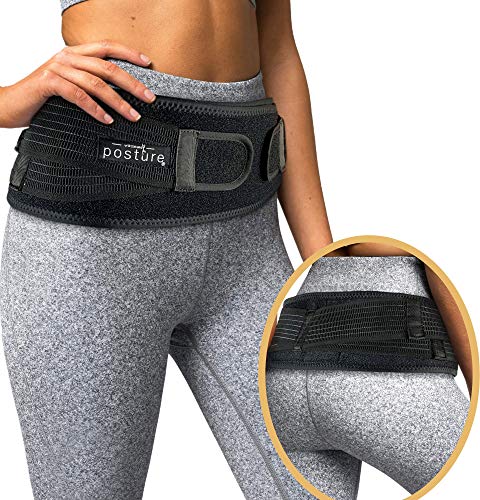
Vriksasana Posture Sacroiliac Hip Belt for Women and Men That Alleviates Sciatic, Pelvic, Lower Back, Leg and Sacral Nerve Pain Caused by Si Joint Dysfunction| Trochanter Brace (Regular, Black)
👉 FITS HIP CIRCUMFERENCE SIZE 32 – 45 INCH 👈 Belt length – 44 INCH. Belt width -…
As an affiliate, we earn on qualifying purchases.
As an affiliate, we earn on qualifying purchases.

GROWNSY Perineal Massage Stick for Pregnancy Labor and Birth Prep, Pain Relief for Labor and Delivery, Pelvic Wand Tool, Pelvic Floor Muscle Massager for Pelvic Physical Therapy, Postpartum Essentials
𝗗𝘂𝗮𝗹 𝗘𝗻𝗱 𝗗𝗲𝘀𝗶𝗴𝗻 𝘄𝗶𝘁𝗵 𝗖𝗮𝗿𝗲: The thicker end gently supports perineal massage during pregnancy, while the precision end…
As an affiliate, we earn on qualifying purchases.
As an affiliate, we earn on qualifying purchases.