
To create a calm-down corner at home, choose a simple, clutter-free space with soothing colors and comfortable seating. Include sensory toys like stress balls and textured fabrics to promote self-regulation, and add mindfulness tools such as breathing cards or guided imagery recordings. Incorporate personal touches to make it inviting, and encourage your child to use it regularly for emotional support. Keep exploring to discover more ways to make this space an effective part of your child’s emotional growth.
Key Takeaways
- Choose a quiet, clutter-free corner with calming colors and comfortable seating like cushions or small chairs.
- Include sensory toys such as stress balls, textured fabrics, and fidget tools to soothe and engage children.
- Incorporate simple mindfulness exercises like deep breathing or guided imagery using easy-to-follow cards or recordings.
- Personalize the space with favorite blankets, pictures, and labels to promote familiarity and ownership.
- Encourage regular use during daily routines and moments of overwhelm to build trust and emotional regulation skills.
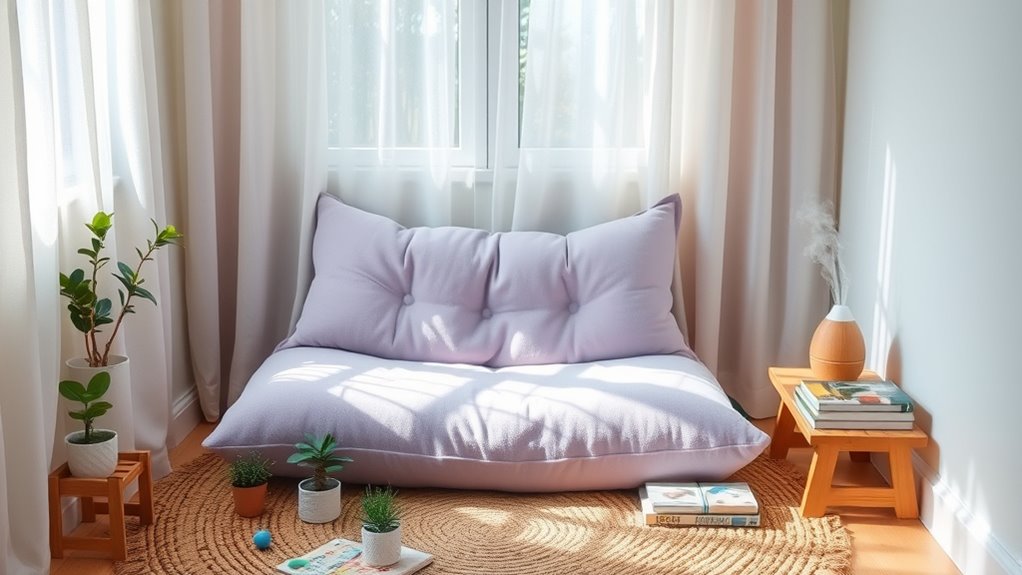
Creating a calm-down corner at home offers a dedicated space where children can manage their emotions and regain focus. This special area becomes a safe haven for kids to step away from overwhelming situations, helping them learn self-regulation and build emotional resilience. When designing this space, think of it as a personalized retreat that encourages relaxation and mindfulness. Incorporating mindfulness exercises into the corner can be highly effective. Simple practices like deep breathing, guided imagery, or gentle body scans teach your child how to recognize and calm their emotions. These exercises can be introduced through easy-to-follow cards or recordings, making it accessible and engaging. The goal is to help your child develop tools they can use independently when feelings become intense.
A calm-down corner with mindfulness exercises helps children manage emotions and build resilience independently.
Sensory toys are another essential element to include. These items stimulate the senses and provide tactile input that can soothe agitation or anxiety. Consider adding items like stress balls, textured fabrics, fidget spinners, or squishy toys. These sensory tools allow children to channel their energy and focus on calming sensations, which can be especially helpful during moments of distress. Choose toys that are safe, durable, and easy to clean, and rotate them periodically to keep the space inviting. The presence of sensory toys not only offers comfort but also encourages your child to explore and develop their sensory processing skills in a positive way. Additionally, integrating sound design techniques, such as calming background sounds or gentle music, can further enhance the relaxing atmosphere of the space.
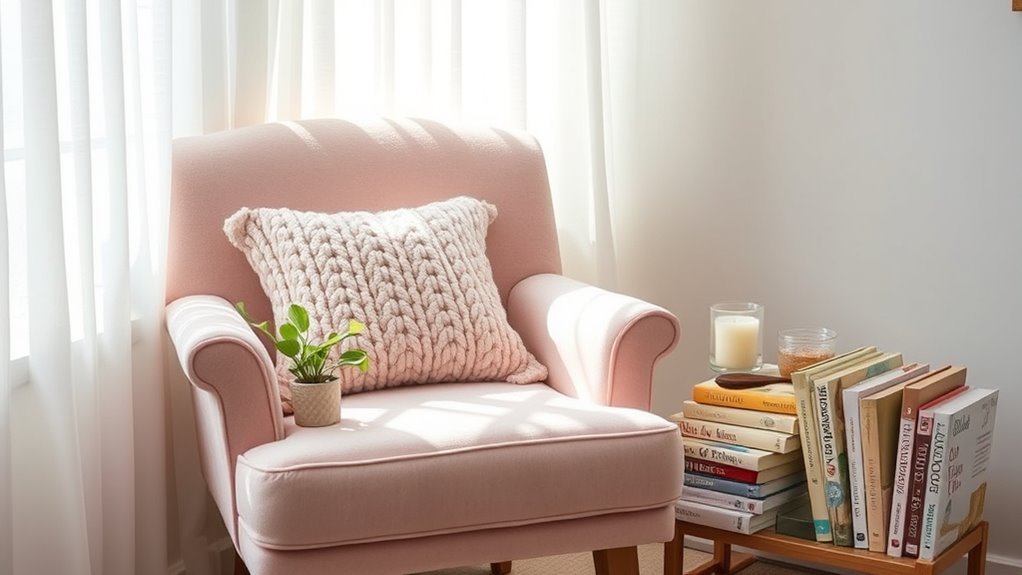
Keep the calm-down corner simple and clutter-free. Use calming colors such as soft blues, gentle greens, or warm neutrals to create a soothing environment. Add a comfortable cushion or small chair where your child can sit quietly or lie down if needed. Personal touches like a favorite blanket or picture can make the space feel inviting and secure. Labeling the area clearly helps your child recognize it as a designated place for self-care, reinforcing the idea that managing emotions is okay and encouraged.
Encourage your child to use the calm-down corner regularly, not just during emotional meltdowns. Make it a part of their routine by suggesting breaks for mindfulness exercises or sensory play when they seem overwhelmed or simply need a moment to reset. Over time, this space will become a familiar and trusted tool for emotional regulation. With consistency and thoughtful choices, your calm-down corner can empower your child to handle their feelings more effectively, fostering independence and emotional intelligence that benefits them well beyond childhood.

Fidget Toys, 160 Pack Party Favors for Kids 8-12 4-8, Sensory Toys Bulk Autism Autistic, Treasure Box Toys for Classroom, Stocking Stuffers, Goodie Bag Stuffers, Christmas Birthday Gifts Prizes
PACK OF 160: 3 Pop Bubbles, 6 Mochi Squishies, 6 Stretchy Strings, 3 Marble Mesh Fidget Toys, 1…
As an affiliate, we earn on qualifying purchases.
As an affiliate, we earn on qualifying purchases.
Frequently Asked Questions
How Can I Personalize the Calm-Down Corner for My Child’s Interests?
To personalize your child’s calm-down corner, incorporate interest-based decorations that reflect what they love, like favorite colors, characters, or hobbies. Use personalization tips like adding their name with cheerful labels or displaying their artwork. Include sensory items related to their interests, such as plush toys or themed calming tools. This tailored approach makes the space inviting and comforting, encouraging your child to feel safe and engaged during moments of need.
What Are Budget-Friendly Materials for Creating a Calm-Down Space?
Did you know that 85% of parents find DIY decor effective in creating calming spaces? To keep costs low, use everyday items like pillows, blankets, and DIY decor from repurposed materials. Incorporate sensory tools such as homemade stress balls or textured fabrics, which are budget-friendly and engaging. These simple additions help your child self-regulate and feel comfortable without breaking the bank.
How Do I Introduce the Calm-Down Corner to My Child Effectively?
You introduce the calm-down corner by explaining its purpose clearly and positively, emphasizing it as a safe space. Use positive reinforcement when your child uses it correctly, praising their choice to calm down. Set clear boundaries, like when and how they can access the space, so they understand its role. Consistently remind them that it’s a tool for managing feelings, helping them feel secure and supported.
How Often Should the Calm-Down Corner Be Refreshed or Updated?
You should refresh or update the calm-down corner regularly, about every few months, to reflect seasonal changes and your child’s emotional needs. Keep it engaging by adding new items or decorations, especially during holidays or seasons, to maintain their interest. Pay attention to your child’s cues; if they seem to lose interest or their needs change, it’s a good time for an update. This keeps the space supportive and inviting.
Are There Specific Activities to Include for Different Age Groups?
You should include age-appropriate activities and sensory toys tailored to each child’s developmental stage. For younger kids, soft plush toys or textured sensory balls work well, while older children might enjoy calming jars or stress balls. Incorporate activities like guided breathing or quiet reading for all ages, adjusting complexity as needed. This guarantees the calm-down corner remains engaging and effective, helping your child manage emotions comfortably.

Jetec 6 Pcs Calming Corner Wall Padding for Kids, Classroom Calm Down Corner Wall Decor, Feelings Headboard Emotions Posters for Kindergarten Preschool 3D 15.75 x 7.87 Inch Peel and Stick Panels
Material:This set includes 6 calming corner wall Padding designed for child safety; The interior is made of high-elasticity…
As an affiliate, we earn on qualifying purchases.
As an affiliate, we earn on qualifying purchases.
Conclusion
Now that you’ve set up your calm-down corner, imagine your child retreating there, eyes slowly settling, breaths calming. The soft lighting, cozy cushions, and comforting objects become a sanctuary amid chaos. But what happens next? Will this space become a safe haven for times of stress or a secret escape? Keep nurturing it, and watch as your child’s ability to find peace grows—transforming moments of tension into opportunities for calm and connection.

Disney Tunes – Recorder Fun | Beginner Recorder and Songbook Pack for Kids | Learn to Play Easy Disney Songs | Hal Leonard Music Book with Fingering Chart and Instructions
As an affiliate, we earn on qualifying purchases.
As an affiliate, we earn on qualifying purchases.

Fidget Toys Adults Sensory Stone: 6 Pack Textured Worry Stone for Autism Kids Calming Down – Fidget Stress Toys for Stress Relief – Small Students Prizes Fidget Toys
Sensory Fidget Toys for Adults: Harder than our colorful kids fidget worry stone, this hard version is more…
As an affiliate, we earn on qualifying purchases.
As an affiliate, we earn on qualifying purchases.