

To bathe your newborn safely, wait 24-48 hours until the umbilical cord heals before giving a full bath. Use sponge baths and gentle, fragrance-free cleansers, avoiding scrubbing. Keep the water around 100°F (38°C), supporting your baby securely and never leaving them unattended. Focus on gentle washing of creases, behind ears, and face. To gain confidence and create a calming routine, learn more about proper techniques and tips for a safe, enjoyable bath.
Key Takeaways
- Wait 24-48 hours after birth before giving a full bath, using sponge baths until the umbilical cord heals.
- Use warm, 100°F (38°C) water and keep the environment warm and supplies within reach.
- Support the baby’s head and neck, never leave them unattended, and use a non-slip mat for safety.
- Gently clean creases, behind ears, and face with a damp cloth, avoiding soap in the eyes.
- Pat dry thoroughly, focus on skin folds, and apply moisturizer if recommended to prevent irritation.

Are you wondering when and how to give your newborn their first bath? It’s a common concern for new parents, and knowing the right timing and technique can make the experience safe and smooth. Typically, you should wait until the umbilical cord stump falls off and the area heals before giving your baby a full bath, usually after the first 24 to 48 hours. Until then, sponge baths are recommended. When you do start bathing your newborn, focus on gentle skin care. Newborn skin is delicate, so use mild, fragrance-free cleansers designed for babies. Avoid scrubbing, as their skin is thin and sensitive, and even gentle rubbing can cause irritation or dryness. Remember to keep the bathing environment warm to prevent your baby from getting chilled, and have all supplies within arm’s reach before you start.
Safety tips are paramount during bath time. Never leave your baby unattended, even for a second, whether they’re in the tub, sink, or on a changing table. Keep one hand on your baby at all times to prevent slips or falls. Use a soft, non-slip mat in the tub, and fill the basin with just a few inches of warm water—around 100°F (38°C)—to avoid accidental burns or discomfort. Always test the water temperature with your wrist or elbow before placing your baby in it. Be gentle when washing their face—use a clean, damp cloth—and avoid getting soap directly in their eyes. Focus on cleaning creases, behind the ears, and around the neck, where dirt and milk residue can accumulate. Rinse thoroughly to remove any soap residue, which can dry out sensitive skin.
After the bath, gently pat your baby dry with a soft towel, paying extra attention to skin folds to prevent irritation or rashes. Apply a small amount of fragrance-free, hypoallergenic moisturizer if your baby’s skin feels dry, but only if recommended by your pediatrician. This step helps maintain skin hydration and barrier function. Additionally, exploring proper bathing techniques can help build your confidence and ensure safety during each session. Always handle your newborn with care, supporting their head and neck during the entire process. With patience and a calm approach, you’ll create a safe, positive experience that promotes healthy skin care habits. Over time, bathing will become a routine you both look forward to, strengthening your bond while ensuring your baby’s skin remains clean, healthy, and protected.

KECUCO Baby Bath Cushion Infant Sponge Mat, Toddler & Newborn Bath Pad – Blue
🌟Soft and Comfortable – Our bady bath sponges cushion are made of PU Foam Material, very soft and…
As an affiliate, we earn on qualifying purchases.
As an affiliate, we earn on qualifying purchases.
Frequently Asked Questions
How Often Should I Bathe My Newborn?
You should bathe your newborn about two to three times a week to prevent skin irritation and keep them clean. Daily baths aren’t necessary and might dry out their delicate skin. Focus on sponge baths between full baths, especially for newborns with sensitive skin. Always use gentle, baby-specific cleansers, and confirm the water isn’t too hot. This balance helps maintain skin health and keeps your baby comfortable.
Can I Use Regular Soap on My Baby?
You can use regular soap on your baby, but choose gentle cleansers with mild soap ingredients. Look for products specifically formulated for sensitive skin, avoiding harsh chemicals and fragrances. Regular soap may be too harsh and cause dryness or irritation. Always test a small area first, and if your baby’s skin becomes red or irritated, switch to a baby-specific, gentle soap designed for their delicate skin.
What Water Temperature Is Safest for Bathing?
You should keep the water temperature around 100°F (38°C) to guarantee water safety and prevent burns. Too hot, and your baby risks scalding; too cold, and they could become chilled. Always test the water with your wrist or elbow before bathing. Proper temperature regulation creates a safe, comfortable environment for your newborn, making bath time both soothing and secure. Don’t overlook this essential step—your baby’s safety depends on it.
When Should I Start Bathing My Newborn Independently?
You should wait until your baby shows signs of independent bathing readiness, usually around 6 months old. Until then, it’s best to give your baby’s first bath with your help, ensuring safety and comfort. Watch for cues that they’re comfortable handling water and sitting steadily. When they’re ready, gradually let them practice, always supervised. This approach helps build confidence and safety skills for your little one.
Are There Signs My Baby Is Uncomfortable During Bathing?
If your baby shows signs of discomfort during bathing, like crying, squirming, or turning away, they might be sensitive to water or skin irritation. Watch for redness or rash, which indicate skin sensitivity. To make certain bathing safety, keep water warm but not hot, support your baby’s head, and avoid sudden movements. If your baby seems uncomfortable, pause and check water temperature and your baby’s reactions before proceeding.

Skip Hop Non-Slip Baby Bath Mat, Moby, Grey
Designed with comfort in mind, our Moby Bath Mat provides a textured, non-slip surface in your little one’s…
As an affiliate, we earn on qualifying purchases.
As an affiliate, we earn on qualifying purchases.
Conclusion
Now that you know the essentials, bathing your newborn becomes a simple and soothing routine. Remember, patience and gentle care make all the difference—think of it as your very own Victorian-era spa day for your little one. As you master this skill, you’ll find it’s a special bonding moment that brings comfort and cleanliness. Embrace the process, and soon it’ll feel as natural as a stroll through your local park.
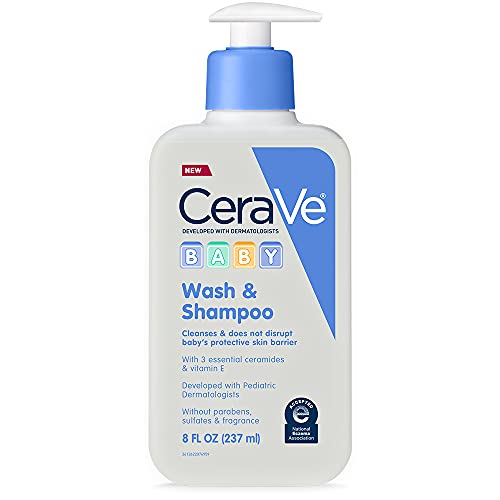
CeraVe Baby Wash & Shampoo, Fragrance, Paraben, & Sulfate Free Shampoo for Tear-Free Baby Bath Time, 8 Ounce
[ DEVELOPED WITH PEDIATRIC DERMATOLOGISTS, NO NASTIES & TEAR-FREE ] this gentle, tear-free, non-irritating bathtime product is a…
As an affiliate, we earn on qualifying purchases.
As an affiliate, we earn on qualifying purchases.
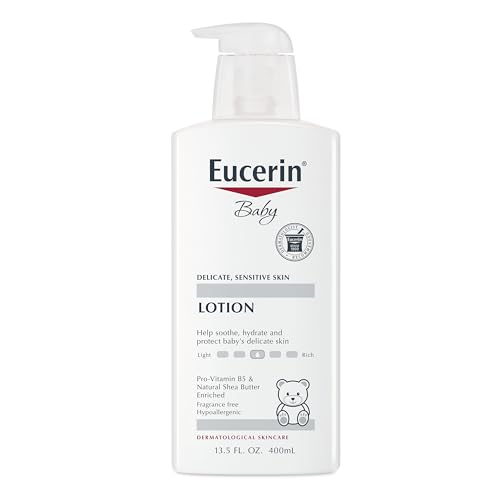
Eucerin Baby Body Lotion, Hypoallergenic and Fragrance Free Baby Lotion with Pro-Vitamin B5 and Shea Butter, 13.5 Fl Oz Bottle
Gentle Baby Lotion Formula: This Eucerin fragrance free baby lotion is gentle enough to use every day and…
As an affiliate, we earn on qualifying purchases.
As an affiliate, we earn on qualifying purchases.