
When developing a feeding schedule for a 1-month-old baby who is formula-fed, we recognize the challenges of being a new parent and the significance of having a structured plan in place. Balancing feedings and attending to your baby’s cues may feel overwhelming, but our guide offers helpful suggestions and expert advice to streamline this process.
By focusing on key aspects like feeding guidelines and monitoring growth, our goal is to provide a thorough resource for parents seeking to optimize their baby's nutrition. Join us as we uncover the essential steps to crafting a successful feeding schedule that caters to your little one's needs.
Key Takeaways
- Recognize hunger and fullness cues to establish a feeding routine.
- Monitor growth and development indicators like weight gain and milestones.
- Address common feeding challenges with patience and expert guidance.
- Ensure a smooth feeding experience by sterilizing equipment and tracking feeding patterns.
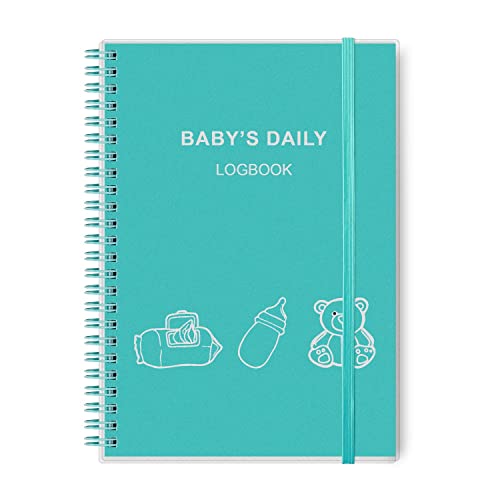
Baby's Daily Log Book – A5 Baby Care planner for Newborns, Schedule for Tracking Newborn's Daily Routine, 152 Easy to Fill Pages Track and Monitor Nursing, Sleep, Feeding, Diapers, Pumping and More
THOUGHTFUL INFANT CARE – With this daily baby care journal book, you can record various details of baby's…
As an affiliate, we earn on qualifying purchases.
As an affiliate, we earn on qualifying purchases.
Understanding 1-Month-Old Feeding Cues
When observing a 1-month-old's feeding cues, it's important to pay close attention to subtle signs of hunger and fullness to establish a healthy feeding routine and promote the best nourishment for your baby. Recognizing hunger cues, such as rooting, sucking on hands, or turning towards the breast or bottle, can help guarantee timely feeding before your baby becomes too fussy. Crying, though a late sign of hunger, can also indicate your baby's need for nourishment.
Additionally, understanding cues of fullness, like turning away from the breast or bottle, slowing down sucking, or becoming relaxed, is critical in preventing overfeeding. Whether you're feeding a breastfed baby or using infant formula, being responsive to your baby's cues fosters a strong parent-baby bond and supports the baby's natural feeding instincts.

Evenflo Feeding Classic Tinted Plastic Standard Neck Bottles for Baby, Infant and Newborn – Teal/Green/Blue, 8 Ounce (Pack of 12)
PREVENTS NIPPLE COLLAPSE – Evenflo Feeding's Patented Micro Air Vents help prevent nipple collapse, and promote a more…
As an affiliate, we earn on qualifying purchases.
As an affiliate, we earn on qualifying purchases.
Establishing a Feeding Routine

To establish a feeding routine for a 1-month-old baby, monitor their hunger cues and aim to offer 2-4 ounces of formula per feeding approximately 6-8 times within a 24-hour period. It's crucial to guarantee that the baby's nutritional needs are met through consistent feedings throughout the day.
- Hunger Cues: Watch for signs like rooting or sucking on fists to identify when the baby is ready to eat.
- Feeding Times: Maintain a schedule with regular intervals between each feeding session to establish a routine.
- Baby's Formula Consumption: Keep track of the amount of formula consumed at each feeding to monitor intake.
- Burping After Feedings: Remember to burp the baby after each feeding to prevent discomfort from gas.
- Establishing a Routine: Creating a predictable feeding schedule can help the baby feel secure and promote healthy growth.

GROWNSY Bottle Sterilizer and Dryer, Compact Electric Steam Baby Bottle Sterilizer (Esterilizador de Biberones), Bottle Sanitizer for Baby Bottles, Pacifiers, Pump Parts
Smarter Design, Not Smaller Capacity: Stop Choosing Between Capacity and Counter Space. We reimagined the interior to be…
As an affiliate, we earn on qualifying purchases.
As an affiliate, we earn on qualifying purchases.
Monitoring Baby's Growth and Development
Tracking a baby's growth and development involves monitoring key indicators like weight gain, milestones, length, and head circumference to guarantee peak health and well-being. Baby's weight gain is an important aspect to watch closely, ensuring they're progressing at a healthy pace.
Additionally, observing milestones such as smiling, making eye contact, and tracking objects with their eyes can provide insights into their development. Regularly measuring your baby's length is significant as it reflects their physical growth progress. Monitoring head circumference is also essential as it indicates proper brain development.
If any concerns arise regarding your baby's growth or development, consulting with a pediatrician is recommended. Whether your baby is breastfed, formula-fed, or exclusively breastfed, keeping track of these parameters is crucial. Remember to seek medical advice promptly if you notice any deviations or have questions about your baby's progress.

Beautiful Growth Chart for Wall – Cute Height Chart to Easily Track Your Kids' Growth and Milestones – Essential Baby and Toddler Playroom Decor That is Great for Gifting and Creates Lasting Memories
Cherish & Celebrate Every Milestone: KIBAGAs’ kids growth chart for wall hanging allows you to track your child’s…
As an affiliate, we earn on qualifying purchases.
As an affiliate, we earn on qualifying purchases.
Handling Common Feeding Challenges

Addressing common feeding challenges such as gas, reflux, or colic requires frequent burping of the baby during feedings and ensuring they stay upright after eating. When dealing with these issues, it's crucial to remember that patience and persistence are key. Here are some tips to help navigate through feeding challenges:
- Try Paced Bottle Feeding: This technique mimics breastfeeding, promotes better digestion, and reduces spit-up.
- Experiment with Nipples and Formulas: Finding the right fit for your baby's needs can make a significant difference in their feeding experience.
- Consult a Lactation Specialist: If you suspect underlying feeding issues like allergies or intolerances, seeking professional guidance can be beneficial.
- Stay Patient and Persistent: Solutions may take time and require adjustments to find what works best for your baby.
- Monitor for Changes: Keep an eye on your baby's reactions to different feeding methods and be open to making necessary adaptations.
Tips for a Smooth Feeding Experience
For a smooth feeding experience, ensuring proper sterilization of bottles and nipples is vital to prevent bacterial contamination. Keeping a feeding diary can help track your baby's intake, diaper changes, and sleeping patterns, providing valuable insights into their feeding routine.
When feeding your baby, hold them in a semi-upright position to reduce the risk of choking and ear infections. Remember to burp your baby frequently during and after feedings to release gas and prevent discomfort.
If you encounter any challenges, don't hesitate to consult a lactation consultant or pediatrician for expert advice on feeding techniques and troubleshooting common issues. Monitoring your baby's weight gain is also essential to make sure they're receiving adequate nutrition from either breast milk or formula.
Frequently Asked Questions
What Is the Schedule for Formula Feeding for a 1 Month Old?
We offer guidance on a 1-month-old's formula feeding schedule. Babies usually consume 2-4 ounces every 2-3 hours, totaling 8-10 feedings daily. Watch for hunger cues like rooting or hand-sucking, burp frequently, and adjust as needed for nourishment and comfort.
What Is a Good Schedule for a 1 Month Old?
We've discovered that a good schedule for a 1-month-old involves feeding every 2-3 hours, totaling about 24-32 ounces of formula daily. Nighttime feedings might be necessary. Watch for hunger cues and follow your baby's lead.
What Is the Feeding Pattern for a 1 Month Old?
We feed our 1-month-old baby every 2-3 hours, providing 2-4 ounces per feeding based on hunger cues. Our flexible schedule, guided by signals from our baby, guarantees they receive proper nutrition. Regular weight checks and pediatrician consultations help monitor development.
How Do I Establish a Feeding Schedule for My Baby?
Establishing a feeding schedule for our baby involves tracking hunger cues, offering nighttime feedings, and adjusting based on their needs. We aim for consistency, ensuring our little one is nourished and content.
Conclusion
To sum up, creating a 1-month-old formula feeding schedule may seem like a challenging task, but with patience and observation, you'll soon become a feeding expert. Remember, babies are unique individuals with their own cues and needs, so stay flexible and responsive.
Embrace the challenges and enjoy the journey of nourishing your little one. With time and practice, you'll find that feeding time can be a rewarding and bonding experience.
Stay tuned for more feeding tips and tricks!