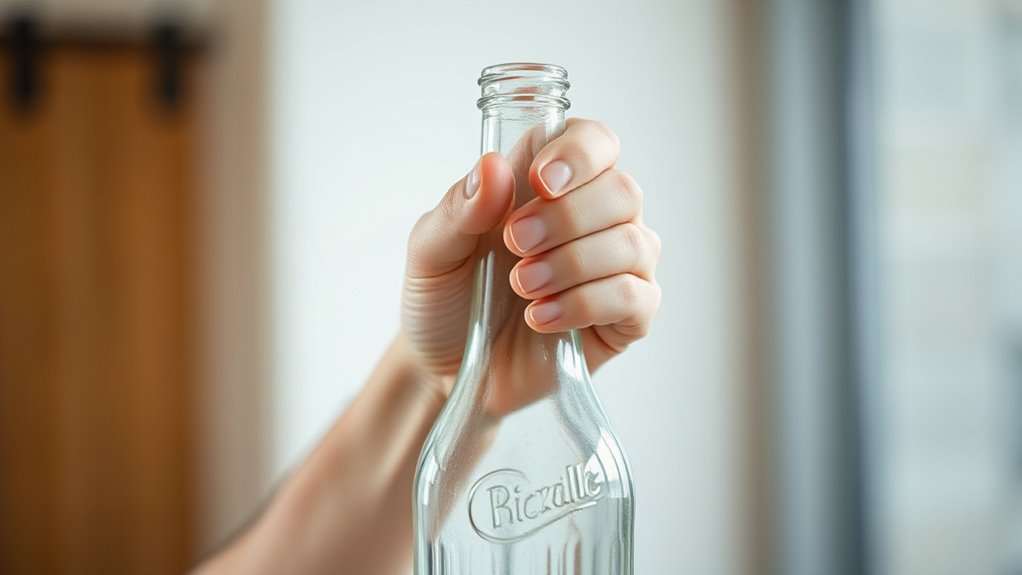

If your baby refuses the bottle, try offering it with different nipples, positions, or grips to find what comforts them best. Keep the environment calm, speak softly, and be patient, as babies often need time to adjust. Watch for cues and respond gently during feeding. Repeating these gentle techniques and understanding your baby’s developmental stages can gradually improve acceptance. Continue exploring strategies to find the approach that works best for your little one.

Turn the school run and nap time into listening time
- Thousands of audiobooks, podcasts and originals
- Listen on your phone, tablet or Echo — also offline
- Cancel anytime
Key Takeaways
- Experiment with different bottle nipples and feeding positions to find what comforts and appeals to your baby.
- Create a calm, distraction-free environment and use gentle tones to encourage acceptance.
- Be patient and persistent, trying multiple techniques without forcing the feed.
- Observe your baby’s cues and adapt feeding methods during developmental milestones or teething.
- Seek support from resources or professionals for personalized guidance and reassurance.

Have you ever faced the challenge of a baby refusing the bottle? It can be frustrating and worrying, especially when you’re trying to guarantee your little one gets the nutrition they need. The good news is that with patience and the right approach, you can often overcome this hurdle. One of the key aspects to contemplate is your feeding techniques. Babies are highly perceptive, and their preferences can change based on how they’re fed. You might find that a different bottle nipple or a new feeding position makes a significant difference. For instance, some babies prefer slower-flow nipples, which mimic breastfeeding more closely, while others might like a different grip or angle. Trying various techniques can help you discover what comforts your baby and encourages them to accept the bottle again.
Understanding your baby’s developmental milestones is equally essential. During certain stages, your baby might temporarily refuse the bottle as they become more interested in exploring their environment or mastering new skills like sitting up or crawling. These milestones can shift their focus away from feeding routines, making them more distracted or fussy during feeds. Recognizing this can help you think about your approach—offering smaller, more frequent feeds or creating a calmer, more engaging feeding environment. As your baby reaches new developmental stages, their feeding preferences might change, and it’s important to take into account accordingly. Sometimes, a refusal can also signal that they’re ready for a different type of feeding, like transitioning from a bottle to a cup, which can be a positive step in their growth.
Patience is crucial when tackling bottle refusal. You might need to try different feeding techniques multiple times before finding what works. Keep your tone gentle and your environment calm to reduce any anxiety your baby might pick up on. If your little one is going through a growth spurt or teething, they may temporarily refuse the bottle, but with reassurance and consistent effort, they’ll often return to feeding normally. Remember, every baby is unique, and their development unfolds at different rates. Don’t rush or force the issue; instead, observe your child’s cues and respond with gentle persistence. Additionally, being aware of resources and tools available can help you adapt your strategies and stay supported throughout this process. Over time, you’ll likely discover that a combination of adjusting your feeding techniques and understanding their developmental milestones will help your baby become more comfortable with the bottle once again.
As an affiliate, we earn on qualifying purchases.
Frequently Asked Questions
When Should I Seek Professional Help for Persistent Bottle Refusal?
If your baby shows signs of developmental delays or isn’t displaying emotional readiness cues by around 12 months, consider seeking professional help. Persistent bottle refusal beyond this age can indicate underlying issues or sensory sensitivities. Trust your instincts; if your baby struggles with feeding or shows resistance despite consistent efforts, consult a pediatrician or feeding specialist. Early intervention can make a significant difference in supporting your child’s growth and development.
Are There Specific Brands or Types of Bottles That Encourage Acceptance?
Like choosing the perfect steed in a medieval quest, selecting the right bottle brand and nipple shape can help your little one accept it more easily. Opt for popular brands known for their gentle, natural nipple shapes that mimic breastfeeding, such as Dr. Brown’s or Philips Avent. Experiment with different nipple flow rates and shapes—like orthodontic or wide-neck—to find what aligns with your baby’s preferences and encourages acceptance.
How Can I Tell if My Baby Is Truly Hungry or Just Fussing?
You can tell if your baby is truly hungry by watching for hunger cues like lip smacking, rooting, or sucking on their hands. If they’re fussing but not showing these cues, they might be tired or uncomfortable instead. Pay attention to fussing reasons, as they can stem from a dirty diaper or overstimulation. Respond promptly to hunger cues to keep your baby satisfied and prevent unnecessary fussing.
What Are Alternative Feeding Options if My Baby Refuses the Bottle?
If your baby refuses the bottle, consider breastfeeding alternatives like offering them directly at the breast if possible. You can also explore different feeding equipment options, such as using a different nipple flow rate or a specialized feeder like a syringe or cup. Experiment with different positions, temperatures, and types of milk to see what your baby prefers. Keep trying patiently, and stay flexible until you find what works best for your little one.
How Long Should I Try Different Techniques Before Giving Up?
You should try different techniques for about two weeks, maintaining consistent effort. If you see little to no progress after this trial duration, it’s wise to reassess. Technique persistence is key, but don’t force your baby—observe their cues and consider consulting a pediatrician for additional guidance. Staying patient and flexible during this period helps you find the best solution without unnecessary stress.
Conclusion
Remember, patience is key when tackling bottle refusal. Consistently offering the bottle, maintaining a calming environment, and trying different techniques can make a big difference. Did you know that nearly 25% of babies refuse bottles at some point? By staying persistent and gentle, you’re helping your little one develop healthy feeding habits. Keep trusting your instincts, and eventually, your baby will be comfortable with bottle feeding. You’re doing a great job—don’t give up!
Cold & flu season Picks
humidifiers
As an affiliate, we earn on qualifying purchases.