

To recognize your baby’s feeding cues, watch for signs like alertness, focused attention, rooting, or lip movements indicating hunger. Notice if they wake up naturally or stir at usual feeding times, which often signals readiness. Avoid confusing crying from tiredness or discomfort with hunger. Paying close attention to these emotional and sleep cues helps you respond at the right moment. Keep exploring, and you’ll discover even more ways to better understand your little one’s signals.
Key Takeaways
- Observe your baby for alertness, rooting, or focusing on objects as signs of early hunger.
- Notice waking naturally or stirring before feeding times to identify sleep-related hunger cues.
- Differentiate genuine hunger signals from upset or crying caused by other discomforts.
- Pay attention to emotional signals and sleep patterns to anticipate and respond to hunger effectively.
- Recognize individual differences in cues, considering your baby’s health and development for accurate reading.

Understanding feeding cues is essential for recognizing when your baby is genuinely hungry. Babies communicate their needs in subtle ways, and learning to read these signals helps ensure they get enough nourishment without overfeeding. One of the most important aspects to observe is their emotional signals. When your baby is hungry, they might become more alert, fixate on your face, or start rooting—turning their head and opening their mouth in search of a nipple. Conversely, if they’re upset or crying without clear reason, it might be a sign they’re overwhelmed, tired, or experiencing discomfort rather than hunger. Recognizing these emotional cues helps you differentiate between genuine hunger and other needs, making feeding times more effective and less stressful for both of you.
Another critical indicator to watch for is your baby’s sleep patterns. Babies often show hunger cues before they become overtly hungry, especially if they’re sleeping longer stretches. If you notice your little one stirring or waking up at typical feeding times, it’s a good sign they’re ready to eat. Sometimes, babies might initially resist feeding if they’re deeply asleep or in a light sleep phase, but waking up naturally is usually a good cue that they’re hungry. Being attuned to these sleep-related signals allows you to anticipate feeding needs and respond promptly, helping to establish a routine that aligns with your baby’s natural rhythms. It’s also worth noting that feeding cues can be influenced by the baby’s overall health and development, so paying attention to their individual signals is important.

Oceenew Breastmilk Storing Bags,Disposable Self Standing No-Leak Milk Storage Pouches,Temp-Sensing Discoloration Freezer Milk Storing Bags for Breastfeeding(8 Ounce 240pcs,BPA Free)
Temperature Sensing Color Change: Monitor milk temperature anytime with color cues and Ensure Your Baby’s Comfort with Every…
As an affiliate, we earn on qualifying purchases.
As an affiliate, we earn on qualifying purchases.
Frequently Asked Questions
How Can I Distinguish Between Hunger and Boredom Cues?
To distinguish between hunger and boredom cues, pay attention to emotional signals and activity levels. When you’re genuinely hungry, you’ll notice physical signs like stomach growling or low energy, and your activity levels might decrease. Boredom, on the other hand, often triggers emotional signals such as restlessness or frustration, leading you to eat out of habit rather than true hunger. Recognizing these cues helps you make healthier, more mindful choices.
Are Feeding Cues the Same Across Different Age Groups?
Feeding cues aren’t the same across all ages—they evolve as your child grows, like a chameleon changing colors. You’ll notice age-related differences in how children signal their hunger or fullness. Consistency is key; recognizing these cues helps you respond effectively. While younger babies might root or suck, older kids might verbalize hunger. Paying close attention to these changes guarantees you meet your child’s needs at every stage.
How Do Cultural Differences Influence Feeding Cues?
Cultural differences greatly influence feeding cues because cultural feeding practices shape how children signal hunger or fullness. You might notice variations in gestures, eye contact, or vocalizations across cultures. In cross-cultural communication, it is crucial to recognize these differences so you can accurately interpret cues. By understanding diverse cultural feeding practices, you guarantee respectful, effective feeding interactions, fostering a positive relationship with the child’s needs and cultural background.
Can Feeding Cues Be Affected by Emotional States?
Feeding cues are like signals from a compass, guiding your actions. When you’re experiencing emotional triggers or stress responses, these cues can become blurred or misinterpreted. You might notice hunger signs when you’re actually seeking comfort or vice versa. Emotional states influence how your body communicates its needs, making it essential to recognize that stress responses can mask true hunger, leading to overeating or ignoring genuine cues.
What Are Common Signs of Overfeeding Based on Cues?
If you notice your baby turning away, pushing the bottle or breast, or losing interest, these are signs of overfeeding based on feeding cues. You might also see fussiness, spit-up, or discomfort afterward. Pay close attention to these overfeeding signs, and try to stop feeding when your baby shows early cues of fullness. This helps prevent overfeeding and keeps your little one comfortable and satisfied.
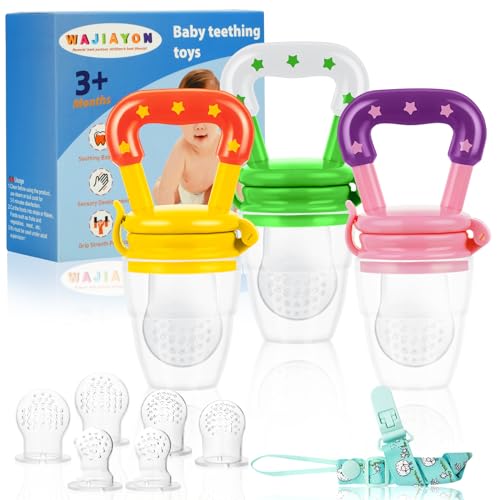
WAJIAYON Baby Fruit Feeder/Food Feeder Pacifier (3 Pack)- Infant Teething Feeders | Silicone Teether Feeder Babies | Baby Feeding Essentials | Food Pacifier for Babies – Pink
【 MULTI-FUNCTIONAL-Safely Introduce Solids】: Baby food feeder pacifier-a perfect way to introduce solid to baby, soft silicone food…
As an affiliate, we earn on qualifying purchases.
As an affiliate, we earn on qualifying purchases.
Conclusion
Just like a skilled conductor reads the subtle signals of an orchestra, you can tune into your baby’s feeding cues. Trust those quiet hints—they’re your baby’s way of communicating. By becoming more attuned, you’ll nurture a confident, responsive feeding relationship. Remember, mastering this art is akin to deciphering a secret language, guiding you to meet your baby’s needs with love and patience. Embrace the journey; the harmony of feeding begins with understanding.

Sense-U Pro Baby Monitor – Breathing Movement, Rollover & Overheating Trackers for Better Sleep, Simple Clip-On Smart Sleep Monitor with Arousal Vibration, Audible Alerts & Sleep Analysis
SIMPLY CLIP-ON, QUICK ALERTS FOR BETTER SLEEP: The Sense-U Pro baby monitor clips easily onto your baby’s diaper…
As an affiliate, we earn on qualifying purchases.
As an affiliate, we earn on qualifying purchases.
baby rooting and alertness signs
As an affiliate, we earn on qualifying purchases.
As an affiliate, we earn on qualifying purchases.