
Choosing between feeding on demand and a schedule depends on your baby’s needs and your family’s routine. Feeding on demand encourages you to respond promptly to hunger cues, promoting trust and potentially better sleep, while scheduling offers predictability and longer sleep stretches. Many parents find a hybrid approach works best, balancing responsiveness with routine. To discover how to tailor your feeding plan for your family, keep exploring these options.
Key Takeaways
- Feeding on demand responds to baby’s cues, fostering trust and secure attachment, while scheduled feeding provides predictability and routine.
- On-demand feeding naturally supports night feedings, whereas scheduled routines may reduce night wake-ups through longer stretches of sleep.
- A hybrid approach combines demand feeding during the day with gentle routines at night, balancing responsiveness and predictability.
- Both methods require flexibility and responsiveness, adapting to your baby’s evolving needs and cues.
- The best approach depends on family dynamics, with no one-size-fits-all solution; trust your instincts and observe your baby’s signals.

Are you wondering whether to feed your baby on a schedule or on demand? Deciding between these approaches can feel overwhelming, especially when it comes to night feedings and maintaining parental flexibility. Both methods have their benefits, but understanding how they fit into your lifestyle and your baby’s needs is essential.
Feeding on demand means responding to your baby’s hunger cues whenever they arise. This approach can be especially helpful during the night, as babies often wake up hungry and need reassurance through feeding. Night feedings are more naturally integrated into an on-demand routine, helping your baby get the nourishment they need without waiting for a set time. By feeding on demand, you’re also fostering a sense of trust, showing your baby that their hunger cues are valued and responded to promptly. This can lead to more secure attachment and may even help your baby sleep better in the long run, since they learn that their needs will be met consistently.
Feeding on demand nurtures trust, helps night feedings, and promotes secure attachment and better sleep over time.
On the other hand, a scheduled feeding routine involves setting specific times for feeding, often every few hours. This method can provide a sense of predictability for both you and your baby, making it easier to plan your day and get some sleep. For parents seeking parental flexibility, scheduled feedings might seem limiting at first, but they can be adjusted as your baby grows and their needs change. During the night, a schedule might reduce the number of wake-ups, especially if your baby is capable of sleeping longer stretches without hunger. However, it’s important to remain adaptable because babies grow quickly, and their feeding patterns can shift unexpectedly.
Additionally, some parents find that a combination of both methods—offering demand feeding during the day and a gentle routine at night—can help balance your baby’s needs with your own schedule. Many parents find that a hybrid approach works best—feeding on demand during the day to respond to your baby’s cues, and establishing a gentle routine at night to promote longer stretches of sleep. This flexibility allows you to meet your baby’s needs without feeling rigid, reducing stress and promoting parental well-being. Keep in mind that no matter what method you choose, listening to your baby’s signals and adjusting as needed is vital. Trust your instincts, stay adaptable, and remember that both approaches aim to nurture your baby’s health and happiness while accommodating your family’s unique rhythm.
An understanding of feeding cues and how they evolve can further help you choose the most appropriate feeding strategy for your family.
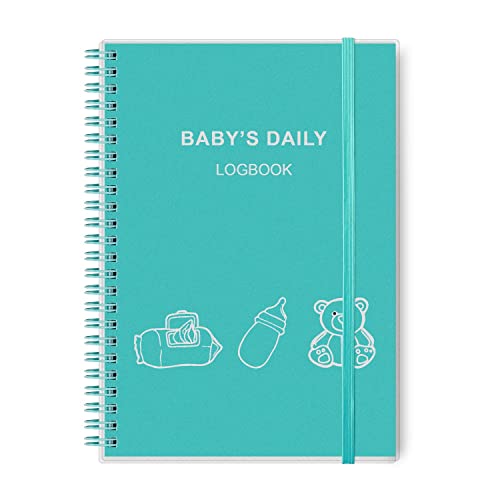
Baby's Daily Log Book – A5 Baby Care planner for Newborns, Schedule for Tracking Newborn's Daily Routine, 152 Easy to Fill Pages Track and Monitor Nursing, Sleep, Feeding, Diapers, Pumping and More
THOUGHTFUL INFANT CARE – With this daily baby care journal book, you can record various details of baby's…
As an affiliate, we earn on qualifying purchases.
As an affiliate, we earn on qualifying purchases.
Frequently Asked Questions
How Do I Know if My Baby Is Hungry or Just Comfort-Sucking?
You can tell if your baby is hungry or comfort-sucking by observing their comfort cues, like rooting or sucking on their hands. If they latch onto your finger or suck without rooting, they might be seeking comfort. Sucking habits, like non-nutritive sucking, are often for soothing, not hunger. Pay attention to their overall behavior, crying patterns, and whether they release the breast or bottle easily after feeding.
Can Feeding Schedules Help With Sleep Training?
Feeding schedules can support sleep training by establishing predictable routines, helping your baby recognize feeding cues and differentiate them from sleep cues. This consistency minimizes comfort-sucking and sleep associations linked to feeding, making it easier for your little one to settle independently. When your baby learns to associate sleep with a routine rather than feeding, it promotes longer, more restful sleep, ultimately aiding your sleep training efforts.
What Are Signs of Overfeeding or Underfeeding?
You’ll spot overfeeding if your baby’s fussiness, frequent spit-ups, or loose stools increase, like a storm brewing too early. Underfeeding shows in crying spells, sluggish weight gain, or slow diaper output, signs your little engine isn’t getting enough fuel. Watch for feeding cues during growth spurts—your baby might seem hungrier or fussier. Trust these signals; they’re your guide through the delicate dance of nourishing your tiny adventurer.
How Does Feeding Approach Affect Breastfeeding Duration?
Your feeding approach impacts breastfeeding duration by shaping breastfeeding consistency and feeding independence. If you feed on demand, your baby learns to latch well and regulates intake naturally, encouraging longer breastfeeding. Scheduled feeds might disrupt this, leading to less consistency and potentially earlier weaning. By choosing a flexible feeding approach, you support your baby’s natural cues, fostering stronger breastfeeding habits and a more extended, satisfying breastfeeding journey.
Are There Developmental Stages That Influence Feeding Needs?
Did you know that during growth spurts, your baby’s feeding needs can increase by up to 50%? Developmental milestones, like learning to sit or crawl, also influence feeding. You’ll notice more frequent nursing during these phases, as your little one’s body demands extra nutrients. These stages directly impact how often and when you should feed, helping you tailor feeding routines to support their growth and development effectively.
baby night feeding schedule
As an affiliate, we earn on qualifying purchases.
As an affiliate, we earn on qualifying purchases.
Conclusion
Ultimately, whether you feed on demand or stick to a schedule, trust your instincts like a gentle lighthouse guiding your little one’s journey. Picture cozy mornings filled with the soft hum of your baby’s quiet sighs or the rhythmic dance of their tiny hands reaching out. Whichever path you choose, remember that your loving presence creates a safe harbor, where feeding becomes a tender moment of connection, nurturing both body and heart in this beautiful, fleeting chapter.
baby on demand feeding supplies
As an affiliate, we earn on qualifying purchases.
As an affiliate, we earn on qualifying purchases.
baby sleep training products
As an affiliate, we earn on qualifying purchases.
As an affiliate, we earn on qualifying purchases.