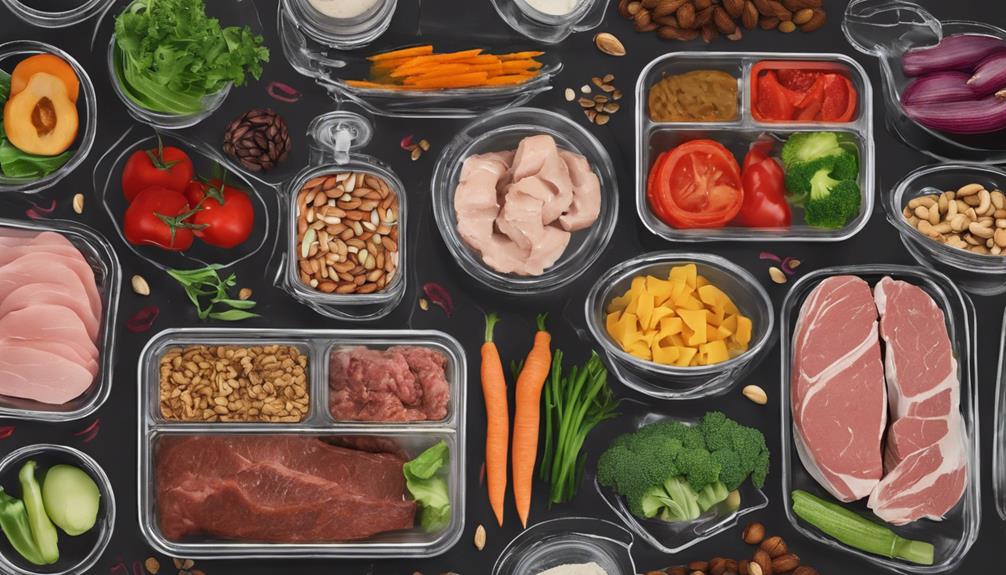

A gradual, gentle approach to weaning involves recognizing your baby’s readiness cues, such as sitting steadily and showing curiosity for solids. Start by introducing small spoonfuls of pureed foods, letting your baby lead and ensuring breastfeeding continues as the main nutrition source. Pay attention to emotional signals, and don’t rush if they seem disinterested—patience is key. With consistent, tender steps, you’ll help your little one shift smoothly, and if you keep going, you’ll discover how to support this comforting process even better.
Key Takeaways
- Introduce solids slowly, starting with small pureed portions while maintaining breastfeeding or bottle-feeding.
- Follow the baby’s cues and wait for signs of readiness before beginning solids.
- Offer new foods gradually, observing their reactions and comfort levels.
- Use a calm, gentle approach, encouraging exploration without forcing acceptance.
- Be patient and flexible, allowing the transition to develop naturally over time.

Have you ever wondered how to smoothly shift your baby from breastfeeding or bottle-feeding to solid foods? Transitioning isn’t just about introducing new tastes and textures; it’s about aligning with your baby’s feeding milestones and emotional readiness. Every baby develops at their own pace, so paying close attention to their cues is essential. Around six months, most babies start showing signs that they’re ready for solids—like holding their head up steadily, sitting with minimal support, and showing curiosity when you eat. Recognizing these feeding milestones helps you know when the time is right to begin the weaning process. But it’s equally important to gauge their emotional readiness. Some babies might seem physically prepared but still cling tightly to breastfeeding because it provides comfort and security. For others, the act of exploring new foods might excite them or make them more willing to try. Understanding these emotional cues helps you decide when to start and how gentle your approach should be.
As you begin the shift, start slow. Offer small spoonfuls of pureed fruits, vegetables, or grains, and let your baby take the lead. Keep breastfeeding or bottle-feeding as the primary nutrition source until they consistently show interest in solids and can chew or swallow comfortably. Remember, the goal isn’t to replace breastfeeding instantly but to introduce solids as a complement. This gradual progression respects their feeding milestones and emotional readiness, making the experience positive for both of you. If your baby turns their head away or shows disinterest, don’t push. Instead, wait a few days before trying again, and watch for signs of enjoyment or curiosity. It’s a sign they’re processing the new experience at their own pace.
Throughout this process, stay patient and flexible. Every feeding session is a new opportunity for bonding and exploration. Keep a calm, encouraging tone and celebrate small successes, like accepting a new texture or opening their mouth for a spoon. As your baby’s confidence grows, they’ll become more receptive to new foods, and the progression will feel more natural. Remember, weaning isn’t a sudden event but a gentle evolution that respects your baby’s individual development. Trust your instincts, stay attentive to their cues, and celebrate each milestone along the way. With patience and understanding, you’ll help your little one navigate this exciting new chapter smoothly and happily. Additionally, being aware of cookie categories can help you understand how their preferences might be influenced by different types of online content.
baby pureed food spoon set
As an affiliate, we earn on qualifying purchases.
As an affiliate, we earn on qualifying purchases.
Frequently Asked Questions
When Is the Ideal Age to Start Weaning a Baby?
You can start weaning your baby around 6 months old, aligning with their feeding milestones. Pay attention to their baby preferences and readiness cues, like sitting up and showing interest in solid foods. Introducing new textures gradually helps them adapt comfortably. Remember, every baby is different, so follow their signals and progress at their own pace, making the process smooth and gentle for both of you.
How Can I Tell if My Baby Is Ready to Wean?
You’ll know your baby is ready to wean when they start showing interest in solid foods, can sit up well, and lose their reflex to latch onto the breast. Watch for signs like shorter nursing sessions or increased curiosity about your plate. Incorporate breastfeeding tips like offering a cup or spoon, and note that changes in baby sleep patterns can also signal readiness. Trust your instincts and go at a gentle, gradual pace.
What Are Signs of Discomfort During the Weaning Process?
You might notice signs of discomfort during weaning, like your baby showing teething discomfort or refusing feeds altogether. They could become fussy, tug at their ears, or have trouble sleeping. Feeding refusal may also increase, or they might arch their back when offered the bottle or breast. Keep an eye on these signs, and if they persist, consult your pediatrician to make certain your baby’s comfort and health during the changeover.
Are There Specific Foods Recommended for Gentle Weaning?
Ever wonder how to make the progression smoother? You should focus on offering blended foods with soft textures that are easy for your little one to swallow. Think mashed bananas, cooked carrots, or rice porridge. These foods help ease discomfort and encourage eating without overwhelming their developing digestive system. Including gentle, nutritious options makes the weaning process more comfortable and enjoyable for both of you.
How Can I Ensure My Baby Gets Enough Nutrients During Weaning?
To guarantee your baby gets enough nutrients during weaning, focus on offering nutrient-rich snacks and balanced meal planning. Include a variety of fruits, vegetables, whole grains, and proteins to cover essential nutrients. Keep portions appropriate for their age, and watch for signs of fullness. By consistently providing diverse, nutritious foods, you help support healthy growth and development while making the changeover smooth and enjoyable for your little one.

Lalo First Bites Silicone Baby Feeding Set – Baby Led Weaning Supplies – Non-Toxic Silicone – Includes 1 Bib, 2 Spoons, Training Cup, Suction Plate and Bowl – 6 Pieces – Oatmeal
LALO IS OFFICIALLY ON AMAZON: Lalo, the premium baby and toddler brand is now available on Amazon! Designed…
As an affiliate, we earn on qualifying purchases.
As an affiliate, we earn on qualifying purchases.
Conclusion
Just like a gentle sunrise signals a new day, weaning marks a natural shift in your baby’s journey. By taking it slowly and with love, you help them grow confident and secure—ready to face the world like a brave explorer setting out on a new adventure. Trust your instincts, stay patient, and remember that, in time, they’ll flourish on their own, just as the stars shine brighter after the night.
baby feeding milestone books
As an affiliate, we earn on qualifying purchases.
As an affiliate, we earn on qualifying purchases.
gentle baby weaning utensils
As an affiliate, we earn on qualifying purchases.
As an affiliate, we earn on qualifying purchases.