When your newborn starts hiccuping or seems gassy, it can be puzzling. However, understanding the root causes behind these common occurrences can provide you with peace of mind and help you navigate those early days with more confidence.
From simple remedies to proactive prevention strategies, this guide equips you with the knowledge needed to support your little one's comfort and well-being. So, if you're seeking clarity on how to handle newborn hiccups and gas effectively, this detailed guide is your go-to resource.
Key Takeaways
- Newborn hiccups and gas are often caused by immature diaphragms and muscle contractions.
- Remedies include positioning, burping, pacifiers, and gentle massages to ease discomfort.
- Prevention involves adjusting feeding habits, positions, and monitoring diet for gas triggers.
- Management strategies include tummy massages, bicycle leg movements, varied feeding positions, and gripe water consultation.

Frida Baby Medicine Pacifier Syringe, Accu-Dose Paci, Medi Frida Dispenser for Mess & Fuss Free Use, Made in USA
MESS & FUSS FREE: The paci-style baby medicine dispenser directs liquids to the side of the baby's cheek,…
As an affiliate, we earn on qualifying purchases.
As an affiliate, we earn on qualifying purchases.
Causes of Newborn Hiccups
Newborn hiccups are often caused by the immaturity of the diaphragm and the nerve controlling it, leading to frequent, involuntary contractions of the muscle. This immature development can result in your precious little one experiencing those adorable yet sometimes bothersome baby hiccups. While these hiccups are usually harmless and may even play a role in strengthening their respiratory muscles and promoting healthy brain development, they can still be a concern for parents.
Understanding the triggers can help you prevent or minimize these episodes. Factors such as swallowing air during feedings, reflux, sudden temperature changes, stress, or irritation in the diaphragm or throat can set off those tiny hiccups in your baby. Ensuring a calm and comfortable feeding environment, practicing proper burping techniques, and keeping your baby upright after meals are crucial in reducing the chances of hiccups. Being mindful of these factors can make a significant difference in managing and preventing those adorable but persistent baby hiccups.

Mommy's Bliss Gripe Water Original, Infant Gas & Colic Relief, Gripe Water for Babies, Gentle & Safe, 2 Weeks+, 4 Fl Oz (Pack of 1)
MOMMY'S BLISS ORIGINAL GRIPE WATER: Mommy's Bliss Gripe Water is the bestselling supplement for infant gas and colic…
As an affiliate, we earn on qualifying purchases.
As an affiliate, we earn on qualifying purchases.
Remedies for Newborn Hiccups
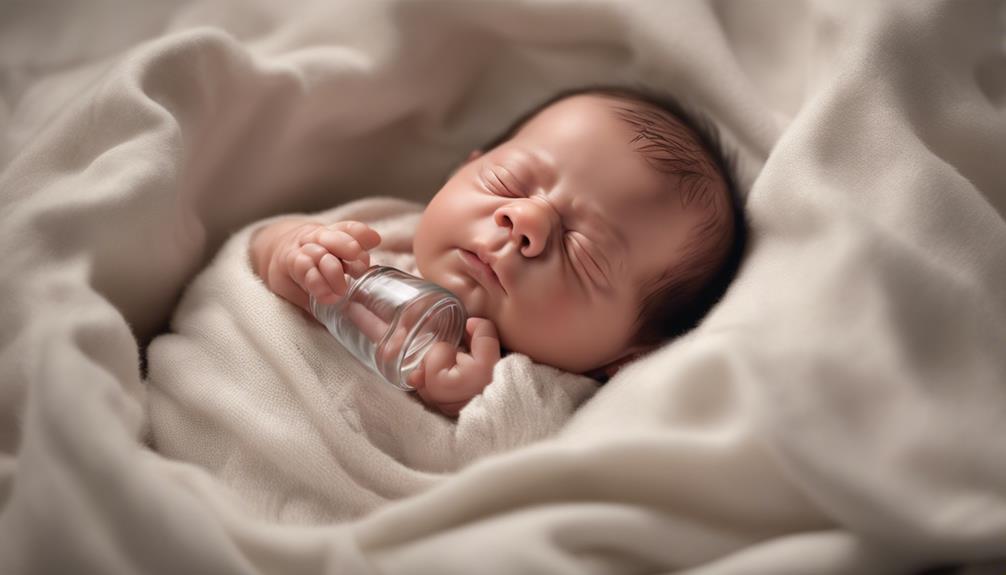
To help ease your little one's hiccups, consider utilizing simple techniques like positioning them upright and encouraging burping. Offering a pacifier or something to suck on can also relax the diaphragm and reduce hiccups. Additionally, you may want to consult with a pediatrician about using gripe water drops for newborn hiccups relief, as they can be effective. Remember that newborn hiccups usually decrease in frequency as your baby grows older, and in most cases, allowing the hiccups to pass naturally is perfectly fine without intervention.
Here is a table summarizing some remedies for newborn hiccups:
| Remedies for Newborn Hiccups | Description |
|---|---|
| Positioning upright | Helps ease hiccups |
| Encouraging burping | Aids in releasing trapped air |
| Offering a pacifier | Helps relax the diaphragm |
| Gripe water drops | Consult with a pediatrician |

Comfy Cubs Muslin Burp Cloths 20" x 10", Pack of 10 – Large, 6-Layer, Ultra Absorbent 100% Cotton for Baby Drool and Messes – Soft, Safe & Gentle Baby Burp Cloths for Boys & Girls – Multi
Soft and Gentle Baby Burp Cloths: Made from 100% breathable muslin cotton, these burping cloths are lightweight, gentle,…
As an affiliate, we earn on qualifying purchases.
As an affiliate, we earn on qualifying purchases.
Prevention of Newborn Hiccups
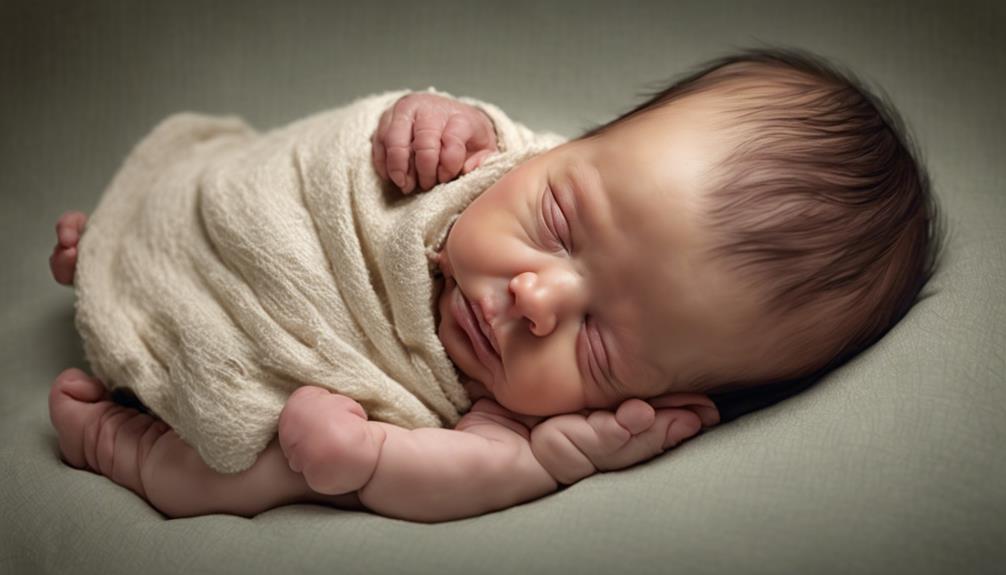
If your baby frequently experiences hiccups, taking preventive measures can greatly reduce their occurrence and help promote your little one's comfort and well-being. One effective way to prevent newborn hiccups is by feeding your baby smaller amounts more frequently. This can help reduce the likelihood of overfeeding, which is a common cause of hiccups in infants. Additionally, be sure to burp your baby regularly during and after feedings to prevent gas buildup, which can lead to hiccups.
Adjusting feeding positions can also play a critical role in preventing newborn hiccups. Keeping your baby upright after feeding, for example, can help aid in digestion and reduce the chances of hiccups occurring. If you're breastfeeding, monitoring your diet to avoid gas-inducing foods can also contribute to preventing hiccups in your baby. Lastly, when preparing formula, be mindful of not shaking it excessively to minimize air bubbles, which can also trigger hiccups. By implementing these preventive measures, you can help alleviate your baby's discomfort and reduce the frequency of hiccups.

Frida Baby Gassy Belly Rub | Infant Gas Relief | Baby Gas Relief Rub for Belly Massages Made with Natural Oils
GAS RELIEF: Belly massages help gas bubbles work their way out of baby's system.
As an affiliate, we earn on qualifying purchases.
As an affiliate, we earn on qualifying purchases.
Understanding Newborn Gas

Swallowed air during feedings and immature digestive systems can contribute to discomfort and bloating in newborns, commonly known as gas. Understanding newborn gas is essential for helping your little one feel more comfortable. It's normal for babies to experience gas as their digestive systems are still developing, making it challenging for them to handle swallowed air or certain foods. Symptoms like fussiness, crying, arching their back, and passing gas frequently indicate your baby may be dealing with gas.
To prevent hiccups and alleviate gas, try burping your baby frequently during feedings and experiment with different feeding positions to reduce the amount of air they swallow. Gentle tummy massages can also help move gas bubbles along. If breastfeeding, consider monitoring your diet for foods that might be causing gas in your baby. Additionally, using gas relief techniques like gripe water under the guidance of your pediatrician can aid in managing newborn gas effectively. By understanding and implementing these strategies, you can help your baby feel better and happier.
Managing Newborn Gas

When managing newborn gas, gently massaging your baby's tummy in a clockwise motion can provide relief from gas buildup and discomfort. This simple technique helps move trapped gas along the digestive tract, easing your little one's tummy woes. Additionally, encouraging bicycle leg movements can also aid in releasing any trapped gas in your infant, offering them comfort and relief.
Exploring different feeding positions is another important strategy to prevent gas-related discomfort in newborns. Opting for upright or semi-upright feeding positions can help minimize the intake of air during feedings, reducing the likelihood of gas troubles for your baby. Moreover, incorporating regular burping sessions during and after feedings is essential in preventing gas accumulation and minimizing your baby's discomfort.
If gas issues persist, consulting with your pediatrician about using gripe water or gas drops can provide further relief under professional guidance. These remedies can help alleviate gas-related discomfort in infants, ensuring your baby feels more at ease and content after feedings.
Frequently Asked Questions
Why Does My Newborn Have so Much Gas and Hiccups?
You might notice your newborn experiencing gas and hiccups due to their immature digestive system and reflex pathways. Positioning during feeding, swallowing air, and enzyme levels can contribute. Ensuring proper latch and feeding pace can help alleviate these issues.
Do Hiccups Mean Baby Needs to Be Burped?
When your baby hiccups, it doesn't always mean they need to be burped. Hiccups are a natural reflex and can happen independently of needing to release air. Trust your instincts and comfort your little one gently.
Does Hiccups Mean Your Newborn Is Full?
When your newborn hiccups, it doesn't necessarily mean they're full. Hiccups can happen for various reasons like swallowing air or immature reflexes. Keep an eye on feeding cues separate from hiccups to understand their needs better.
Should I Stop Feeding Newborn With Hiccups?
You don't need to stop feeding your newborn when they have hiccups. It's safe to continue feeding as normal. Hiccups don't affect their ability to swallow or feed. Healthcare providers generally recommend feeding through hiccups.
Conclusion
As you sail the world of newborn hiccups and gas, remember that you're the captain of this ship. With gentle techniques and the guidance of a pediatrician, you can steer your little one through these common challenges.
Just like a skilled sailor sailing rough waters, you have the power to soothe and comfort your baby through any storm. Trust your instincts and know that you're always there to guide them to calmer seas.