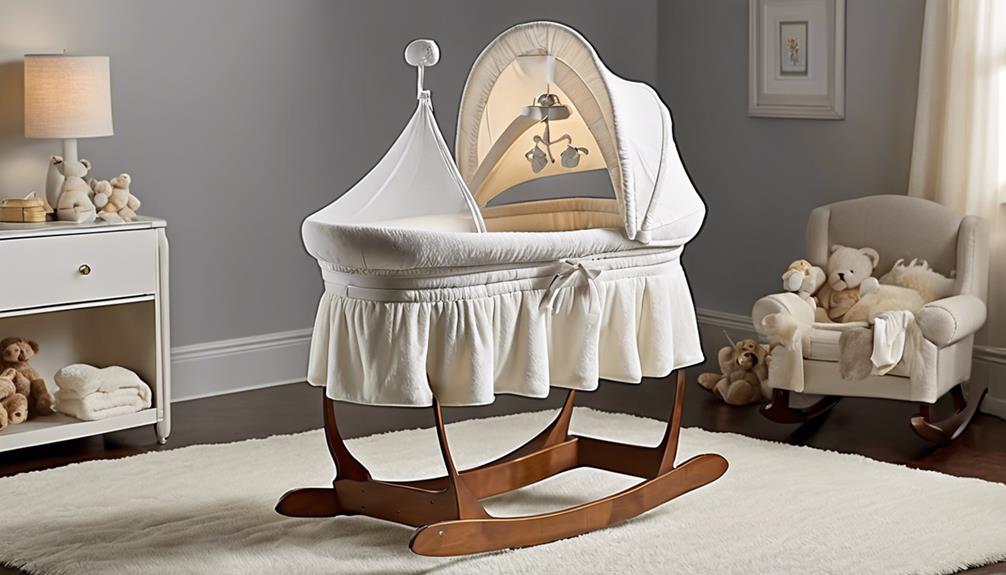
When your newborn only wants to sleep on you, it can feel like being the only lighthouse in a vast sea of darkness, providing the only safe harbor for your little one's slumber.
But, what if there were ways to gently guide them towards sleeping independently, allowing you both to find peaceful shores?
Let's explore effective strategies and gentle techniques to help your newborn develop healthy sleep habits and allow you some well-deserved rest.
Key Takeaways
- Understand newborns seek comfort and security in contact sleep.
- Prioritize safety by avoiding co-sleeping for infant sleep health.
- Establish consistent sleep routines and environments for independent sleep.
- Implement gentle sleep training techniques to encourage self-soothing habits.

SWEET DOLPHIN Baby Sleep Sack 0-6 Months – 100% Cotton 2-Way Zipper TOG 0.5 Infant Wearable Blanket, Newborn Essentials Toddler 3 Pack Sleeping Sacks – Grey
Ultra-Soft & Breathable Fabric Crafted from 100% cotton, our baby sleep sacks are designed to be incredibly soft,…
As an affiliate, we earn on qualifying purchases.
As an affiliate, we earn on qualifying purchases.
Reasons for Newborns Preferring Contact Sleep
Understanding why newborns prefer contact sleep is essential for creating a nurturing and safe sleep environment for your little one. Newborns seek contact sleep for various reasons, including comfort, security, and warmth. During pregnancy, babies experience constant movement and closeness in the womb, making these sensations familiar and comforting.
Holding your baby not only provides warmth but also helps regulate their body temperature, promoting better sleep. Sudden changes in the sleep environment can startle newborns awake, leading them to prefer the security of being held close. Contact sleep allows babies to feel the caregiver's movements, hear their heartbeat, and experience a sense of safety and closeness that mimics the womb environment.

Dreamegg Portable Noise Machine for Baby Adult, Features Powerful Battery, 21 Soothing Sound, Noise Canceling for Office & Sleeping, Sound Therapy for Home, Travel, Registry Gift, Classic White
【COMPACT BUT POWERFUL】- D11 Max has more skills. Designed for all things sleep, this sound machine comes with…
As an affiliate, we earn on qualifying purchases.
As an affiliate, we earn on qualifying purchases.
Negative Effects of Co-Sleeping

Co-sleeping with infants poses serious risks, including an increased chance of Sudden Infant Death Syndrome (SIDS). Sharing a bed with your baby can also lead to accidental suffocation or strangulation, which are major concerns highlighted by the American Academy of Pediatrics (AAP).
Studies have shown that co-sleeping may disrupt both adult and infant sleep patterns, affecting the quality of sleep for everyone involved. Additionally, it's vital to contemplate that co-sleeping might hinder a child's ability to develop independent sleep habits, which are pivotal for their sleep development.
While the desire to be close to your baby is completely natural, it's crucial to prioritize infant sleep safety. Understanding the co-sleeping risks and bed-sharing negative effects can help you make informed decisions about your child's sleep environment.

Precious Little Sleep: The Complete Baby Sleep Guide for Modern Parents
As an affiliate, we earn on qualifying purchases.
As an affiliate, we earn on qualifying purchases.
Establishing a Sleep Routine

To guarantee a peaceful and restful night for your newborn, establishing a consistent sleep routine is key. Here are some practical tips to help you create a sleep-conducive environment and encourage healthy sleeping habits for your baby:
- Consistent Bedtime Routine: Engage in calming activities like a warm bath, storytime, gentle massage, and soothing lullabies to signal that it's time for sleep.
- Best Sleep Environment: Make sure the room is dark, quiet, and cool to promote quality rest for your baby.
- Swaddles or Sleep Sacks: Use these to provide a sense of security and prevent startle reflexes, helping your baby stay asleep longer.
- Soothing Techniques: Incorporate white noise or soft music to help your baby relax and drift off to sleep more easily.
- Encourage Self-Soothing: Gradually reduce the time spent holding your baby before sleep to foster independence and develop self-soothing behaviors for better sleeping habits.

Muslin Swaddle Blankets for Newborn, 3 Pack Breathable Soft Receiving Blanket, Large 38 x 40 inches Swaddle Wrap Burping Clothes, Essentials Infant Shower Items, Toddler Gift (Bright Colors)
SUPER SOFT TO BABY’S SKIN: It is made of safe, natural and pure muslin 100% organic cotton cloth…
As an affiliate, we earn on qualifying purchases.
As an affiliate, we earn on qualifying purchases.
Transitioning to Independent Sleep

When helping your newborn move to independent sleep, observe for signs of self-soothing behavior as a cue for readiness. Shifting to independent sleep typically occurs between 4-6 months of age. Start by moving one nap a day to the crib or bassinet, laying the baby down while drowsy but awake. Look for opportunities to diversify sleep skills by encouraging independent sleep habits, such as laying the baby down awake for bedtime. Establish a consistent bedtime routine to signal to your baby that it's time to rest. Creating a sleep-conducive environment can also support the change to independent sleep. Below is a table outlining key steps to help your newborn shift to independent sleep:
| Steps | Description |
|---|---|
| Observe Self-Soothing Behavior | Look for cues that your baby can soothe themselves. |
| Start with One Nap a Day | Move a nap to the crib while drowsy but awake. |
| Encourage Independent Habits | Lay the baby down awake to promote self-soothing. |
| Consistent Bedtime Routine | Establish a routine to signal bedtime. |
Gentle Sleep Training Techniques

Moving forward from helping your newborn shift to independent sleep, gently introducing sleep training techniques can aid in fostering your baby's ability to self-soothe and sleep independently. Here are some gentle sleep training techniques to contemplate:
- Implement gradual changes to independent sleep to help your baby adjust comfortably.
- Use the fading technique to slowly reduce reliance on being held for sleep.
- Provide consistent comfort and reassurance during the process to guarantee your baby feels secure.
- Encourage self-soothing techniques like gentle patting or shushing to promote independent sleep habits.
- Maintain consistency in your approach to gently guide your newborn towards sleeping independently without constant holding.
Conclusion
As challenging as it may be, remember that your newborn's preference for sleeping on you is a sign of their need for comfort and security.
By gradually changing them to independent sleep using gentle techniques and establishing a consistent bedtime routine, you can help them develop healthy sleep habits.
While it may take time and patience, the rewards of a well-rested baby and parent are well worth the effort.
Keep going, you're doing great!