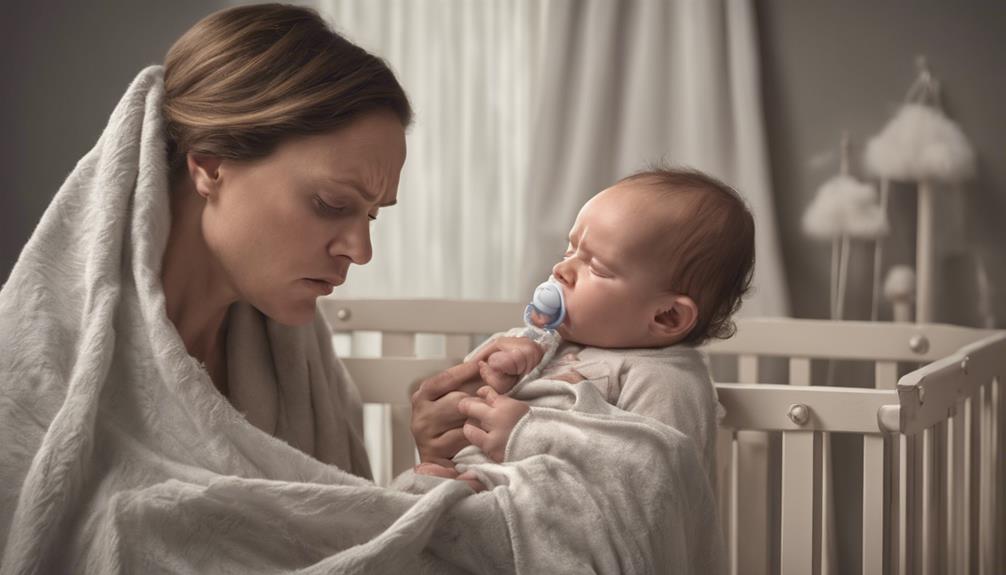

As parents, we understand that handling a newborn's crib aversion can feel like walking on thin ice. But what if I told you there's a glimmer of hope amidst those sleepless nights?
Let's explore some tried-and-true tips that might just help your little one cozy up to their crib and give you both the restful nights you deserve.
Key Takeaways
- Ensure a safe sleep environment with a firm mattress and no soft bedding.
- Establish a consistent bedtime routine to help your newborn relax and prepare for sleep.
- Encourage self-soothing techniques like pacifiers and gradual withdrawal.
- Consider sleep training methods like Ferber or Extinction with guidance from a pediatrician.

Yoofoss Baby Sleep Sack 0-6 Months Wearable Blanket for Babies 100% Organic Cotton 2-Way Zipper TOG 0.5 Toddler Sleeping Sack 3 Pack, Sleep Sacks
100% Organic Cotton: Soft, breathable, and gentle on sensitive skin, our sleep sack is made from high-quality cotton….
As an affiliate, we earn on qualifying purchases.
As an affiliate, we earn on qualifying purchases.
Establishing a Safe Sleep Environment
To make sure your newborn sleeps safely, we must prioritize establishing a secure sleep environment that minimizes risks and promotes peaceful rest.
When setting up the crib, remember to use a firm mattress with a fitted sheet and avoid placing any soft bedding or toys inside to reduce the risk of suffocation. Positioning your baby on their back for sleep is important in lowering the risk of Sudden Infant Death Syndrome (SIDS).
Maintaining a comfortable room temperature between 68-72 degrees Fahrenheit and using sleep sacks instead of blankets will guarantee safe sleep without overheating. It's important to steer clear of crib bumpers as they can pose suffocation and entrapment hazards for your infant.

Philips Avent Soothie Baby Pacifiers – 100% Silicone Pacifiers for Babies 0-3 Months, One-Piece Design, BPA-Free, Extra Durable, Green, 4 Pack, Model SCF190/41
Newborn pacifier 0-3 months supporting baby’s natural suckling need: designed to fulfill newborns' natural suckling reflex to self-soothe…
As an affiliate, we earn on qualifying purchases.
As an affiliate, we earn on qualifying purchases.
Implementing a Consistent Bedtime Routine

Let's guide you through the process of establishing a consistent bedtime routine for your newborn, ensuring a peaceful and restful sleep environment for your little one.
- Begin winding down: Start the bedtime routine about 30 minutes before you plan to put your baby down to sleep. Dim the lights, lower noise levels, and engage in quiet activities to signal that it's time to sleep.
- Incorporate calming activities: Include soothing activities like a warm bath, gentle massage, reading a book, or singing a lullaby to help your baby relax and prepare for bedtime.
- Stick to a routine: Consistency is key. Following the same sequence of activities each night can help your baby anticipate sleep, reducing resistance to crib sleeping and creating a calm and secure environment for them.

Babywise Sleep Solutions: Begin as You Mean to Go with (To the Point)
As an affiliate, we earn on qualifying purchases.
As an affiliate, we earn on qualifying purchases.
Encouraging Self-Soothing Techniques

Encouraging your baby to self-soothe in the crib can lead to better sleep habits and reduced reliance on external soothing methods. Babies can learn to fall asleep independently by practicing self-soothing techniques. One effective method is gradual withdrawal, where parents slowly reduce their presence during bedtime, allowing the baby to self-soothe.
Comfort items such as pacifiers or loveys can also aid in this process, providing a sense of security in the crib. Establishing consistent bedtime routines can help babies feel more confident in self-soothing before sleep, creating a safe and familiar environment.

Dream On Me Honeycomb Orthopedic Firm Fiber Standard Baby Crib Mattress, Greenguard Gold and JPMA Certified, 5” Fiber Core Optimum Support, Fits Crib and Toddler Bed, Waterproof Vinyl Cover
SAFETY ALL THE WAY: This Dream On Me Crib Mattress is Greenguard Gold Certified and meets/exceeds all flammability…
As an affiliate, we earn on qualifying purchases.
As an affiliate, we earn on qualifying purchases.
Considering Sleep Training Methods

When exploring methods to help your baby sleep better in the crib, it's important to contemplate various sleep training techniques that can promote independent sleep habits.
Here are some options to ponder:
- Ferber Method: This method involves gradually increasing intervals of comforting the baby to encourage self-soothing and independent sleep.
- Extinction Method: Involves letting the baby cry it out without intervention, which can be challenging but effective for some parents.
- Chair Method: Gradually moving a chair farther from the crib each night until the baby learns to self-soothe and fall asleep independently.
Consistency and patience are essential when implementing any sleep training method. Remember that every baby is unique, so it may take some trial and error to find the approach that works best for your little one. Be comforting during the process, reassuring your baby that you're there for them even as they learn to soothe themselves to sleep.
Seeking Guidance From Pediatrician

Consulting with a pediatrician is advisable to address any concerns or seek guidance on helping your newborn feel more comfortable in the crib. Pediatricians play an important role in ruling out any underlying medical issues that may be contributing to your baby's resistance to crib sleeping. They can offer personalized advice tailored to your baby's specific needs, providing reassurance and professional support in managing sleep challenges.
Conclusion
In the journey of helping our newborn sleep in the crib, let's remember that patience is our best friend. Like a gentle lullaby, consistency and love will guide us through the nights.
Soothing the worries and embracing the moments, we can create a peaceful bedtime routine for our little one. Together, we'll navigate this phase with understanding and grace.
Sweet dreams await us all in the crib of love.