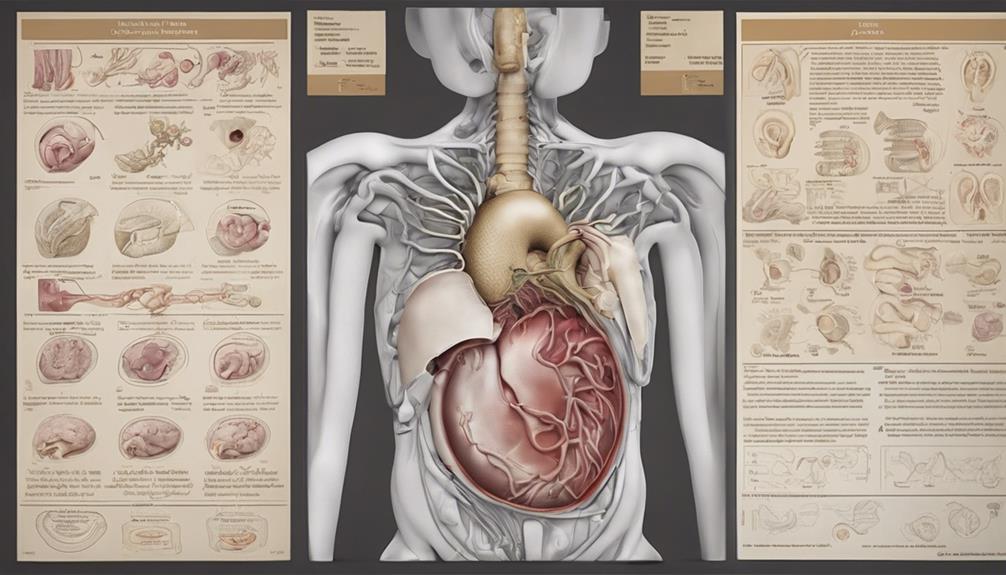
An early ultrasound shows you that your pregnancy is developing normally by revealing the gestational sac, embryo, and heartbeat, usually between 6 and 12 weeks. It helps you confirm the pregnancy, estimate your due date, and check for multiple babies or potential problems. The scan uses sound waves to produce clear images, giving you reassurance and important information to guide your pregnancy journey. Keep exploring to discover more about what this tiny picture can tell you.
Key Takeaways
- Confirms pregnancy and visualizes the gestational sac.
- Detects fetal heartbeat and measures embryo size.
- Determines the due date more accurately through crown-rump length.
- Checks pregnancy location to rule out ectopic pregnancy.
- Identifies multiple pregnancies such as twins or triplets.

An early ultrasound is a valuable tool that helps you confirm your pregnancy, determine the due date, and check the health of your developing baby. When you undergo this scan, ultrasound technology allows your healthcare provider to visualize your pregnancy in real-time, offering essential insights into fetal development. This early glimpse into your baby’s growth can be both reassuring and exciting, providing a clearer picture of what’s happening inside your womb.
During an early ultrasound, typically performed between 6 and 12 weeks of pregnancy, you’ll see a tiny gestational sac, which is the earliest sign of pregnancy visible on ultrasound. As fetal development progresses, the embryo will become visible, and the heartbeat can often be detected, sometimes as early as 6 weeks. This heartbeat is a critical indicator of the baby’s health and vitality, giving you peace of mind. The ultrasound technology used at this stage can measure the crown-rump length—the distance from the top of the head to the bottom of the torso—which helps accurately determine your due date. This measurement is more precise than calculating your pregnancy based on the last menstrual period, especially if your cycle isn’t regular.
An early ultrasound between 6-12 weeks shows the gestational sac, embryo, and often the heartbeat, helping determine your due date accurately.
An early ultrasound also helps identify the location of the pregnancy, confirming that it’s implanted in the uterus and ruling out ectopic pregnancies, which can be life-threatening. Additionally, it can detect multiple pregnancies, such as twins or triplets, early on. This information allows your healthcare provider to tailor your prenatal care to better support your pregnancy. The scan can also reveal early signs of potential complications, like a threatened miscarriage or abnormal development, enabling prompt medical intervention if needed.
Thanks to advances in ultrasound technology, the images captured during early ultrasounds are clearer than ever before. High-frequency sound waves produce detailed images of the developing fetus and its surroundings, offering a non-invasive way to monitor fetal growth. These images can also help assess the size of the embryo, ensuring it aligns with expected developmental milestones. If your pregnancy presents any concerns, such as abnormal growth or signs of trouble, your provider can use ultrasound findings to guide further testing or treatments.
Understanding ultrasound technology and its capabilities can help you feel more informed and prepared during your pregnancy journey. In essence, an early ultrasound provides an in-depth view of your baby’s initial stages of fetal development. It gives you tangible reassurance about your pregnancy’s progress and helps your healthcare team ensure everything is on track. Thanks to ultrasound technology, you get a clearer picture of your little one and a stronger sense of connection during this special time.

Portable Ultrasound Machine for Pregnancy – Digital Sonogram Machine with 3.5 MHz Probe and 8-Color Panels – Perfect for Sheep, Dogs, Cats, and Pigs Pregnancy Testing
Clear Display: 5.6-inch LED screen delivers sharp, clear images of organs. Ideal vet ultrasound machine for dogs, cats,…
As an affiliate, we earn on qualifying purchases.
As an affiliate, we earn on qualifying purchases.
Frequently Asked Questions
When Can I See My Baby’s Heartbeat on Ultrasound?
You can usually see your baby’s heartbeat on ultrasound around 6 to 7 weeks of pregnancy. During this early stage, fetal development progresses rapidly, and ultrasound technology becomes advanced enough to detect the heartbeat. Keep in mind that factors like your exact pregnancy timeline and the equipment used can influence when you see it. Your healthcare provider can give you the best estimate based on your specific situation.
How Accurate Is Early Ultrasound in Predicting Due Date?
Early ultrasound is generally quite accurate in predicting your due date, especially when measuring gestational age accurately. It estimates fetal development and compares it to typical growth patterns, providing a reliable date within about 5-7 days. Keep in mind, individual differences can affect precision, but overall, early ultrasound offers a solid estimate, helping you plan for your pregnancy’s progression and your baby’s arrival.
Can Early Ultrasound Detect Gender?
Yes, early ultrasound can often detect gender, but it’s not always guaranteed. During fetal development, the gender organs start forming around 14 weeks, so a gender reveal ultrasound around this time can provide clues. However, early ultrasounds mainly focus on confirming pregnancy and measuring development, so gender detection might be less accurate if done too early. For the most reliable results, wait until the recommended 18-22 weeks.
Are There Risks Associated With Early Ultrasound?
You might wonder if early ultrasounds pose risks. Generally, ultrasound safety is high, and it’s considered a safe procedure when performed properly. However, some early pregnancy risks, like excessive exposure or unnecessary scans, could potentially cause harm. It’s best to follow your healthcare provider’s guidance and avoid frequent scans unless medically necessary. Trust professionals to guarantee the ultrasound is used safely, minimizing any possible risks during your early pregnancy.
How Many Ultrasounds Are Recommended During Early Pregnancy?
You’ll typically have one or two ultrasounds during early pregnancy, which helps improve dating accuracy and monitor embryo development. Usually, an ultrasound around 6-8 weeks confirms your due date and checks for a heartbeat. If needed, a second scan around 11-14 weeks provides more detailed info. Your healthcare provider will recommend the right schedule based on your pregnancy, ensuring both your health and your baby’s development stay on track.

Parker Labs Aquasonic Clear Ultrasound Gel, 60g Tube, Each
Doppler size tube 60g
As an affiliate, we earn on qualifying purchases.
As an affiliate, we earn on qualifying purchases.
Conclusion
Early ultrasounds reveal more than just a heartbeat; they can hint at your pregnancy’s health and development. Some believe they can even predict future complications, but science shows they primarily confirm pregnancy and estimate due dates. While they’re incredible tools, don’t rely solely on them for all answers. Trust your healthcare provider’s guidance, and remember that each ultrasound provides a glimpse into your baby’s earliest stages—offering reassurance and essential information as you begin this exciting journey.

Identical twin boy obstetrical ultrasound Canvas Prints Wall Decor 4 Pieces Contemporary Framed Artworks for Living Room Bedroom Bathroom Office Home Decoration Gifts
SIZE: 30x60cmx2 panel+30x80cmx2 panel, total of 48"Wx32"H.
As an affiliate, we earn on qualifying purchases.
As an affiliate, we earn on qualifying purchases.
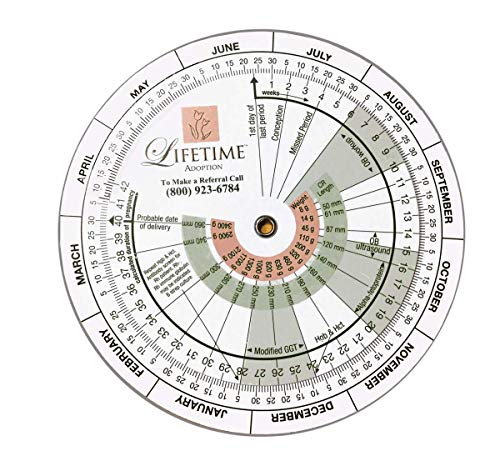
Pregnancy Wheel: Due Date Calculator for Pregnant Patients. Designed for OB/GYN, Doctors, Midwives, Nurses, and Patients
Machined precisely for accuracy
As an affiliate, we earn on qualifying purchases.
As an affiliate, we earn on qualifying purchases.