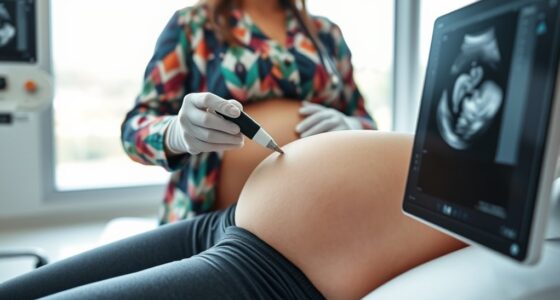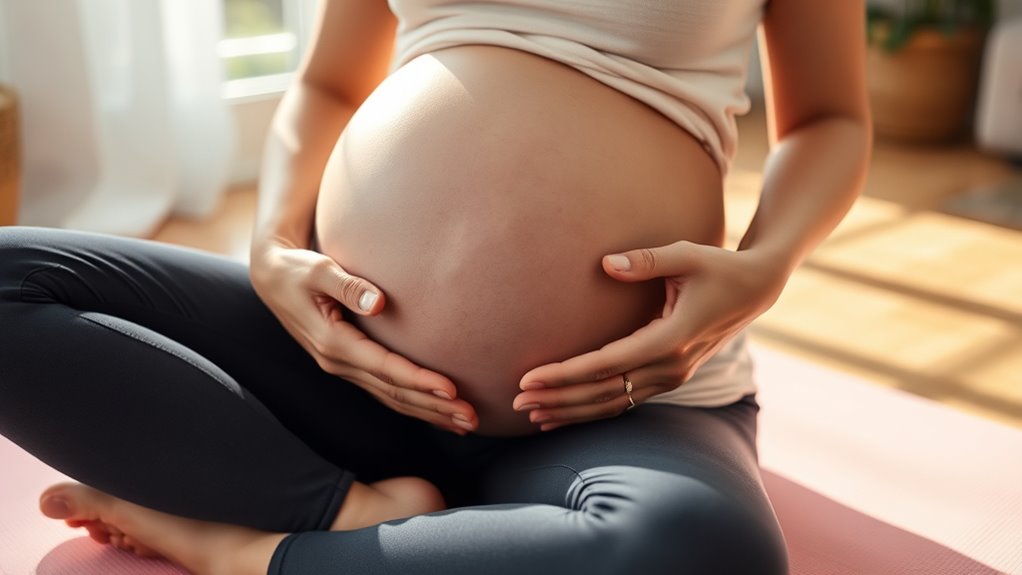

During pregnancy, your pelvic floor faces extra pressure from your growing baby and hormonal shifts like relaxin and progesterone, which soften tissues and muscles. To support both your comfort and long-term health, it’s important to do targeted pelvic exercises that strengthen these muscles and help offset hormonal weakening. Consistent effort can improve support, reduce discomfort, and promote easier postpartum recovery. Keep exploring to discover how you can effectively care for your pelvic health throughout your pregnancy.
Key Takeaways
- Pregnancy increases pressure on pelvic floor muscles due to the growing uterus, emphasizing the importance of strengthening exercises.
- Hormones like relaxin and progesterone soften pelvic tissues, making muscle support crucial during pregnancy.
- Regular pelvic floor exercises help maintain muscle tone, reduce discomfort, and support postpartum recovery.
- Hormonal changes increase joint laxity and reduce muscle support, highlighting the need for proactive pelvic exercises.
- Understanding hormonal effects encourages women to prioritize pelvic health through targeted, consistent exercises during pregnancy.

Have you ever wondered how pregnancy affects your pelvic floor? During this time, your body undergoes many changes, especially in the pelvic region. The growing baby and expanding uterus put extra pressure on your pelvic floor muscles, which support your bladder, uterus, and bowels. To counteract this, incorporating pelvic floor exercises into your routine can make a crucial difference. These exercises strengthen the muscles, helping you maintain better control and reduce the risk of issues like incontinence or pelvic organ prolapse later on. Even if you’ve never done them before, starting pelvic floor exercises now can set a foundation for postpartum recovery and long-term pelvic health.
Pregnancy puts pressure on your pelvic floor; strengthening exercises support long-term pelvic health and postpartum recovery.
Additionally, it’s important to understand the impact of pregnancy hormones on your pelvic muscles. Hormones like relaxin and progesterone increase markedly during pregnancy, and they have a relaxing effect on ligaments and muscles throughout your body, including those in the pelvic region. This hormonal shift softens your pelvic tissues to prepare for childbirth, but it also makes your pelvic floor more vulnerable to overstretching or weakening. As a result, your muscles may become less supportive, which can lead to discomfort or functional challenges. Recognizing these hormonal effects highlights the importance of proactive measures, such as regular pelvic floor exercises, to maintain strength and support during pregnancy.
Hormonal influences also contribute to increased joint laxity and reduced muscle tone, making your pelvic muscles more susceptible to strain. This is why many healthcare providers recommend specific pelvic floor exercises early in pregnancy—it’s a simple, proactive step to preserve your muscle integrity. When done consistently, pelvic floor exercises can help offset some of the hormonal effects, maintaining muscle tone and providing better support for your growing baby bump. They also promote improved blood circulation and flexibility, which can alleviate some common pregnancy discomforts like pelvic pain or pressure.
Furthermore, understanding the connection between hormonal changes and muscle support can motivate you to prioritize pelvic health during pregnancy. Remember that pregnancy is a journey of adjustments, and your pelvic health plays a critical role in how smoothly this journey unfolds. By understanding the impact of pregnancy hormones and incorporating targeted pelvic floor exercises, you empower yourself to support your body through this transformative time. These small but consistent efforts can lead to a stronger pelvic foundation, easing your pregnancy experience and setting you up for a healthier postpartum recovery. So, start now—your pelvic muscles will thank you for your proactive approach and care.

Kegel Exercise System – Pelvic Floor Exercises – Set of 6 Premium Silicone Kegel Exercise Weights & Control with Training Kit for Women: Beginners & Advanced
Quick Results: 15 minutes a day and just a few short weeks, you will feel the difference! Kegel…
As an affiliate, we earn on qualifying purchases.
As an affiliate, we earn on qualifying purchases.
Frequently Asked Questions
Can Pelvic Floor Exercises Be Done During Labor?
Yes, you can do some pelvic floor exercises during labor, especially if your healthcare provider approves. Labor exercises like controlled breathing and pelvic relaxation techniques can help ease discomfort and promote better control. Focus on gentle contractions and relaxation to support your pelvic floor during labor. These exercises may also reduce tension, making the pushing stage smoother. Always consult your provider before attempting any exercises during labor to guarantee safety.
When Should I See a Specialist About Pelvic Floor Issues?
You should see a specialist if you experience persistent pelvic pain or notice issues with pelvic floor strengthening. Don’t wait if you’re dealing with ongoing discomfort or weakness that affects your daily life. A professional can help with pelvic pain management strategies and tailor exercises to rebuild strength. Early intervention guarantees better recovery and prevents future problems, so reach out as soon as symptoms arise or if you’re unsure about your pelvic health.
Are Pelvic Floor Problems Reversible Postpartum?
Yes, pelvic floor problems are often reversible postpartum. You can support your pelvic floor recovery by doing postpartum exercises, which strengthen the muscles and promote healing. Consistent, gentle exercises like Kegels help restore strength and function. Remember to listen to your body, and if issues persist or worsen, see a specialist for personalized guidance. With proper care, most women regain pelvic floor strength over time.
How Does Weight Gain Affect Pelvic Floor Health?
Weight gain can negatively impact your pelvic floor health by altering your posture and increasing pressure on pelvic muscles. As you gain weight, your posture may shift, making it harder to support your pelvic region properly. Nutrition influence also plays a role, as poor nutrition can weaken muscles and tissues. To protect your pelvic floor, focus on maintaining good posture, eating a balanced diet, and staying active throughout your pregnancy.
Can Pelvic Floor Health Influence Future Pregnancies?
Think of your pelvic floor like a sturdy bridge; keeping it strong now guarantees smoother crossings later. Your pelvic floor health can influence future pregnancies by reducing risks like incontinence or prolapse. Regular pelvic floor exercises help maintain strength despite hormonal changes that can weaken muscles. Staying proactive now supports your body’s resilience, making future pregnancies safer and more comfortable. You’re investing in lasting support, so your “bridge” stays strong for years to come.
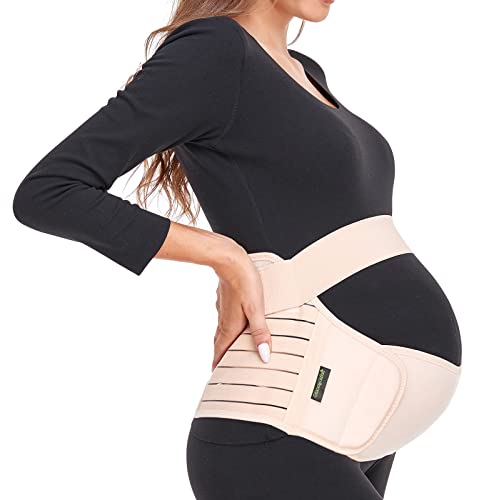
ChongErfei Maternity Belt, Pregnancy 3 in 1 Support Belt for Back/Pelvic/Hip Pain, Maternity Band Belly Support for Pregnancy Belly Support Band (L: Fit Ab 39.5"-51.3", Beige)
✅RECOMMENDED BY OBSTETRICIANS: Medical studies show wearing a high quality maternity support belt, helps to promote a healthier…
As an affiliate, we earn on qualifying purchases.
As an affiliate, we earn on qualifying purchases.
Conclusion
Taking care of your pelvic floor during pregnancy is essential for a smoother recovery and overall well-being. Did you know that nearly 50% of women experience pelvic floor issues postpartum? By staying active and practicing targeted exercises, you can strengthen these muscles now, reducing future problems. Remember, your pelvic health is an important part of your pregnancy journey—so prioritize it today for a healthier tomorrow.
Kegel Exercise System – Pelvic Floor Exercises – Set of 6 Premium Silicone Kegel Exercise Weights & Control with Training Kit for Women: Beginners & Advanced
Quick Results: 15 minutes a day and just a few short weeks, you will feel the difference! Kegel…
As an affiliate, we earn on qualifying purchases.
As an affiliate, we earn on qualifying purchases.
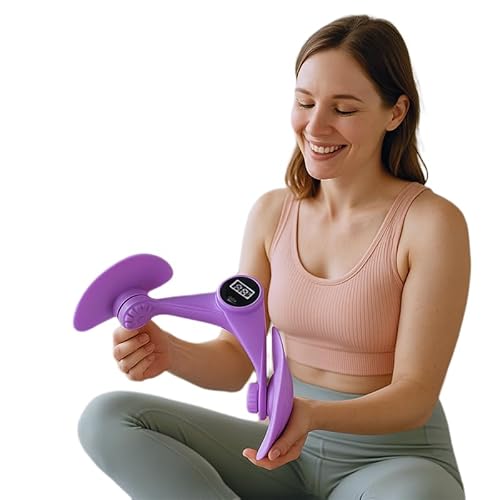
Pelvic floor trainer,pelvic Floor Exerciser for women,postpartum gifts Kegel Exercise Products,thigh excerciser for women,postpartum essentials kit,gift for New Mom,pelvic floor recovery device,purple
【New Mom Gifts After-Birth】 Postpartum moms deserve extra love and care—and a pelvic floor exerciser could be the…
As an affiliate, we earn on qualifying purchases.
As an affiliate, we earn on qualifying purchases.