

To improve fetal positioning and stay comfy during pregnancy, focus on maintaining good pelvic alignment by standing and sitting with hips aligned under your shoulders, using lumbar support, and avoiding slouching. Incorporate gentle breathing techniques like deep diaphragmatic breaths to promote relaxation. Combining proper posture and calming breaths creates a supportive environment for your baby to shift into ideal positions while easing discomfort. Keep exploring for more tips to help you feel your best throughout your pregnancy.
Key Takeaways
- Maintain proper pelvic alignment through good posture to create more space for fetal movement and promote optimal positioning.
- Practice deep diaphragmatic breathing to relax pelvic muscles and reduce tension that may hinder fetal settling.
- Use gentle movements like leaning forward or sitting on a birth ball to encourage fetal shifts into favorable positions.
- Avoid slouching and prolonged sitting; engage in prenatal yoga or pelvic tilts to improve flexibility and support fetal positioning.
- Combining proper posture and breathing techniques enhances comfort and creates a supportive environment for fetal development.

Fetal positioning refers to the way your baby is oriented in the womb as you approach labor. Understanding and enhancing your baby’s position can make a significant difference in how smoothly labor progresses and how comfortable you feel. One key aspect to focus on is maintaining good pelvic alignment. When your pelvis is properly aligned, it creates more space in the pelvis for your baby to move into an ideal position, such as occiput anterior (where the baby’s head is down and facing your back). Poor pelvic alignment, often caused by habits like slouching or prolonged sitting, can restrict your baby’s movement and lead to a less favorable position, possibly resulting in more discomfort during labor. To improve pelvic alignment, try to stand and sit with your hips aligned under your shoulders. Using a lumbar support when sitting can help keep your pelvis in a neutral position, reducing strain and encouraging better fetal positioning. Additionally, engaging in gentle pelvic tilts or prenatal yoga can promote flexibility and support optimal positioning.
In addition to adjusting your posture, practicing breathing techniques can help you stay relaxed and support proper fetal positioning. Deep, diaphragmatic breathing can ease tension in your body, which in turn encourages your baby to settle into an optimal position. As you breathe deeply, focus on expanding your belly with each inhale and slowly releasing tension with each exhale. This mindfulness not only helps reduce stress but also encourages better oxygen flow to your baby, fostering a more comfortable environment. When you’re relaxed, your pelvis is less tense, allowing your baby to move freely and settle into a favorable position. Incorporating breathing exercises into your daily routine can be simple yet effective—try practicing slow, steady breaths for several minutes a few times a day, especially when you notice tension building up.
Combining good pelvic alignment with regular breathing techniques creates a supportive environment for your baby to shift into the best position for birth. Gentle movement and positional changes, such as leaning forward or using a birth ball, can further encourage your baby to move into an ideal position. Remember, the goal is to stay relaxed and avoid unnecessary tension, which can hinder your baby’s ability to find the optimal spot. By consciously maintaining good pelvic alignment and practicing calming breathing techniques, you actively participate in fostering a smoother labor and delivery process. These simple adjustments can help you feel more in control, reduce discomfort, and promote a healthier, more comfortable pregnancy as your baby prepares for birth. Maintaining proper pelvic alignment is especially important because it directly influences fetal positioning and overall comfort during pregnancy.

Lumbar Support Pillow with Wedge & Body Positioner Covers for Bed Relief Lower Back Pain : Sciatica Lower Back Pillow for Sleeping-Memory Foam Waist Pillow for Side/Back/Stomach Sleepers
【Sleep Lumbar Support Pillow for Back Pain Relief】Experience unparalleled comfort and relief with our ergonomically designed lumbar pillow…
As an affiliate, we earn on qualifying purchases.
As an affiliate, we earn on qualifying purchases.
Frequently Asked Questions
How Can I Tell if My Baby Is in the Optimal Position?
You can tell if your baby is in the ideal position by feeling for gentle movements low in your belly or noticing them shift as you change positions. Pelvic exercises and prenatal yoga help encourage your baby to settle into the best position for birth. Regularly practicing these can make a difference, and your healthcare provider can also check your baby’s position during prenatal visits.
Are Certain Maternal Activities Better for Fetal Positioning?
Certain maternal activities can tip the scales toward better fetal positioning. Think of prenatal exercises as gentle waves guiding your baby into a favorable spot, while maintaining good maternal posture acts as a steady anchor, supporting ideal alignment. Activities like pelvic tilts and gentle stretches nurture space for your baby to move freely. By staying mindful and engaged, you help create a harmonious environment for your little one’s comfortable journey.
Can Fetal Positioning Change During Labor?
Yes, fetal positioning can change during labor. You can influence this by doing pelvic exercises and making posture adjustments, which help encourage the baby to move into an ideal position for delivery. Staying active and mindful of your posture allows your body to adapt as labor progresses, potentially making the process smoother. Remember, gentle movements and maintaining good posture can support favorable fetal positioning throughout labor.
What Are Signs of Abnormal Fetal Positioning?
You might notice signs of abnormal fetal positioning if your pelvic alignment feels off or if your maternal posture causes discomfort or unusual sensations. For example, persistent back pain, uneven pressure, or difficulty feeling fetal movements can indicate a malposition. If your body feels unbalanced or you experience unusual pain during labor, it’s important to consult your healthcare provider promptly to evaluate fetal positioning and guarantee a safe delivery.
Does Fetal Position Affect Labor Duration or Pain Levels?
Fetal position can influence your labor duration and pain levels. When your baby’s fetal movement aligns well with your pelvis, labor tends to be smoother and shorter, causing less pain. Conversely, poor pelvis alignment or an abnormal position might lead to longer, more painful contractions. Paying attention to fetal movement helps you understand your baby’s position, and adjusting your posture can sometimes improve pelvis alignment, easing labor.

YOTTOY Exercise Ball for Pregnancy,Anti-Burst Yoga Ball for Physical Therapy,Stability Ball for Ball Chair Fitness with Pump (Pink)
Looking for a safe and durable exercise ball? Our optimized large exercise ball has a 2.8mm thickened explosion-proof…
As an affiliate, we earn on qualifying purchases.
As an affiliate, we earn on qualifying purchases.
Conclusion
As you navigate the dance of fetal positioning, remember each move shapes your baby’s comfort and journey. Like a gentle tide guiding a boat, your awareness and care steer this delicate voyage. Trust your instincts, stay relaxed, and embrace the rhythm of movement. With patience and gentle guidance, you’ll help your little one find their perfect spot, turning every heartbeat into a lullaby of love and anticipation.
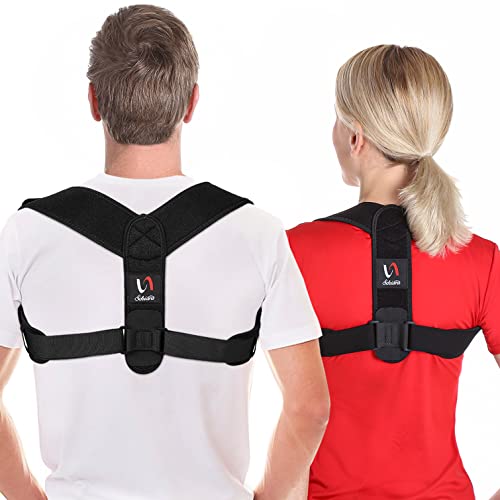
Schiara Posture Corrector for Men and Women, Comfortable Upper and Back Brace, Adjustable Back Straightener Support for Back, Shoulder and Neck
Enjoy a much healthier life with a posture corrector: Our posture corrector is suitable for men and women,…
As an affiliate, we earn on qualifying purchases.
As an affiliate, we earn on qualifying purchases.

Prenatal Yoga
Calm meditation and deep breathing techniques
As an affiliate, we earn on qualifying purchases.
As an affiliate, we earn on qualifying purchases.