To manage biting and hitting, set clear and consistent boundaries so your child knows what’s acceptable. Model calm, respectful behavior and use a gentle voice during conflicts, showing them how to handle emotions peacefully. Teach your child to express feelings with words instead of hands, and provide safe alternatives like creative or sensory activities. Stay calm during incidents, communicate with care, and work with others to keep responses consistent. If you continue exploring, you’ll discover more ways to teach gentle hands effectively.
Key Takeaways
- Set clear, consistent boundaries and rules about gentle touch and respectful behavior.
- Model calm, gentle responses and use a soft voice to teach children how to behave kindly.
- Reinforce positive behaviors with specific praise and immediate rewards to encourage gentle actions.
- Teach children to express feelings verbally by naming emotions and practicing conflict resolution skills.
- Monitor triggers like frustration or overstimulation, and intervene early with calming strategies and supportive guidance.

hand2mind Feelings Family Hand Puppets, Emotions Toys, Dramatic Play Therapy Toys for Counselors, Social Emotional Learning Activities, Calm Down Corner Supplies, Social Skills Activities for Kids
HAND PUPPETS FOR KIDS AGES 4-8: Encourage children to connect to their feelings with the Feelings Family soft,…
As an affiliate, we earn on qualifying purchases.
As an affiliate, we earn on qualifying purchases.
Understanding Why Children Bite and Hit
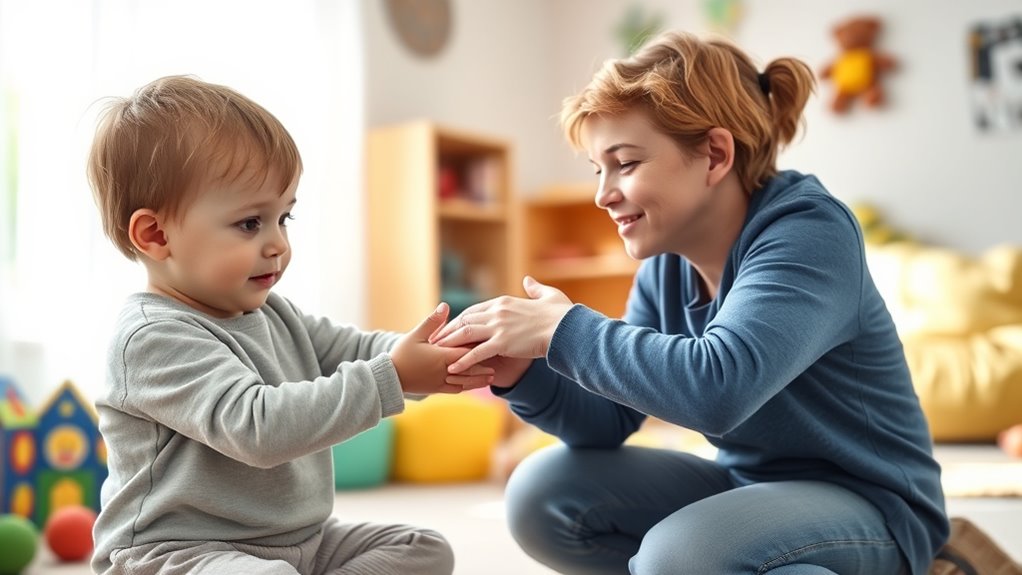
Children often bite and hit because they’re still learning how to express their feelings and needs appropriately. These actions are usually rooted in their developing social skills and emotional regulation. When kids feel overwhelmed, frustrated, or unable to communicate effectively, they might resort to biting or hitting as a way to show their emotions or seek attention. They haven’t yet mastered how to handle strong feelings or navigate social interactions calmly. As a parent, understanding that these behaviors are part of their growth helps you respond with patience. Focus on helping your child develop better social skills and emotional regulation strategies. This support encourages healthier ways to express themselves and reduces the likelihood of aggressive behaviors in the future. Monitoring your child’s behavioral cues can help you intervene early and guide them toward positive interactions. Recognizing developmental milestones related to emotional growth can also provide insight into their behaviors and needs. Additionally, incorporating mindfulness techniques can help children become more aware of their feelings and reactions, fostering self-control and calmness.

Super Z Outlet Liquid Motion Bubbler for Sensory Play, Fidget Toy, Children Activity, Desk Top, Assorted Colors (1 Piece)
The descending bubbles have a soothing and mesmerizing effect that will keep kids entertained for hours. Gravity will…
As an affiliate, we earn on qualifying purchases.
As an affiliate, we earn on qualifying purchases.
Recognizing Developmental Phases and Triggers

Understanding the typical developmental stages helps you see why children might bite or hit at different ages. Recognizing common triggers, like frustration or seeking attention, allows you to respond effectively. By identifying these phases and responses, you can better manage and guide your child’s behavior. Incorporating positive reinforcement strategies can also encourage gentle interactions and reduce aggressive tendencies. Awareness of behavioral milestones can assist in anticipating and addressing these behaviors early on.
Typical Developmental Stages
Recognizing the typical developmental stages that children go through can help you better understand their behaviors, including biting and hitting. During these phases, children are developing social skills and learning emotional regulation. Understanding what’s normal at each stage can ease your worries and guide your responses. Here are some key milestones to remember: 1. Infants explore with their mouths, often biting without malice. They are naturally curious and use oral exploration as part of their learning process. 2. Toddlers test boundaries and may hit when frustrated. This behavior is often a sign of their limited ability to communicate their feelings effectively. 3. Preschoolers seek peer acceptance but struggle with emotional regulation. They are learning to navigate social interactions and may resort to hitting or biting if overwhelmed. 4. Young children develop empathy but still need guidance managing impulses. Recognizing their developmental emotional regulation stage can help you respond with patience and appropriate guidance. Additionally, understanding child development stages can help you differentiate between typical behaviors and signs that a child may need additional support. Knowing these stages helps you recognize when a child’s actions are part of growth, not defiance, fostering patience and compassion. Recognizing developmental phases can also help you differentiate between typical behaviors and signs that a child may need additional support.
Common Triggers and Responses
Since children’s behaviors are closely linked to their developmental stages, certain triggers often provoke biting and hitting at specific ages. During early social emotional development, children may struggle to express feelings verbally, leading to physical responses like hitting or biting. Frustration from limited peer interaction skills can also trigger these behaviors, especially when they feel overwhelmed or misunderstood. Changes in routines or unfamiliar environments can heighten stress and cause setbacks. Recognizing these triggers helps you respond calmly and effectively. Instead of punishment, focus on teaching appropriate ways to communicate feelings and navigate social interactions. Encouraging empathy and patience supports your child’s social emotional growth, reducing the likelihood of aggressive behaviors. Understanding these triggers enables you to create a safe, nurturing environment that promotes positive peer relationships. Additionally, participating in remote hackathons can provide opportunities for children to develop social skills in a structured, supportive setting. Incorporating creative practice into daily routines can also help children better manage emotions and build resilience. Being aware of developmental stages allows caregivers to tailor their responses more effectively to a child’s specific needs.

The Self-Regulation Workbook for Kids: CBT Exercises and Coping Strategies to Help Children Handle Anxiety, Stress, and Other Strong Emotions
As an affiliate, we earn on qualifying purchases.
As an affiliate, we earn on qualifying purchases.
Setting Clear and Consistent Boundaries
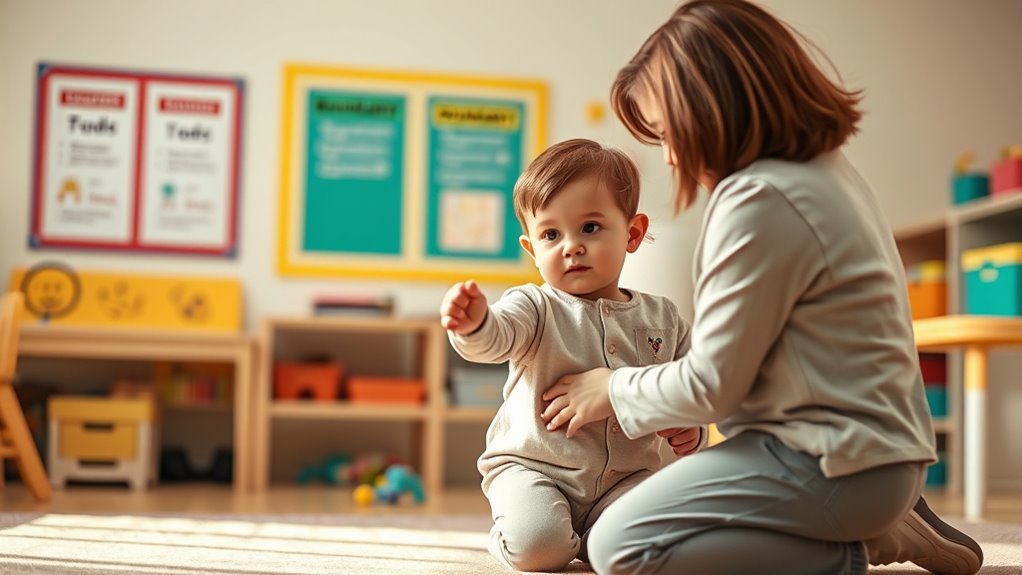
Setting clear and consistent boundaries is essential for guiding your child’s behavior effectively. When you establish boundaries consistency, your child understands what’s expected and feels secure. Clear rules enforcement helps prevent confusion and reduces frustration on both sides.
Consider these key points:
- Be firm and calm when enforcing boundaries to build trust and respect.
- Repeat rules consistently so your child knows they’re important.
- Use simple language to clearly communicate what’s acceptable.
- Follow through immediately on consequences to reinforce boundaries.
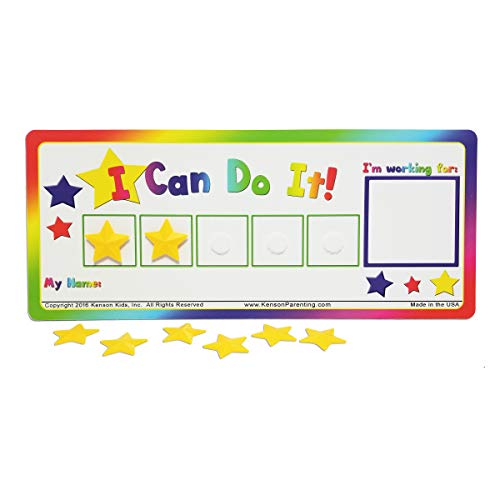
Kenson Kids “I Can Do It!” Token Board. Colorful Magnetic Rewards Chart with Positive-Reinforcement Stars and Customizable Goal Box. Great for Ages 3-10. Measures 5-Inches by 11-Inches
PROMOTES GOOD HABITS THROUGH POSITIVE REINFORCEMENT – For years parenting books have been stressing the benefits of motivating…
As an affiliate, we earn on qualifying purchases.
As an affiliate, we earn on qualifying purchases.
Modeling Gentle and Respectful Behavior

You can teach your child respectful behavior by demonstrating respectful touch and using a gentle voice. When you respond calmly to their actions, it shows them how to stay composed. By consistently modeling calm and respectful responses, you set a powerful example for them to follow. Incorporating positive reinforcement when they display gentle behavior can further encourage respectful interactions. Additionally, explaining the importance of gentle touch helps children understand appropriate ways to express themselves physically. Being aware of restaurant hours can also help in planning outings and ensuring a calm environment during mealtime.
Demonstrate Respectful Touch
Modeling respectful touch is essential in teaching children how to interact kindly and appropriately. When you demonstrate gentle contact, your child learns how to express care without hurting others. Show them what respectful touch looks like through your actions. Using appropriate indoor gardening tools like gentle touches during play can reinforce this lesson. Consider these key points: 1. Use soft, gentle contact when greeting or comforting your child. 2. Show respect by avoiding rough or invasive touch during play. 3. Reinforce positive interactions with hugs, high-fives, or pats on the back. 4. Always ask permission before touching others, modeling consent and respect. Establishing a safe environment can further encourage children to practice respectful touch and develop healthy boundaries. Recognizing Bollywood influence can also help children understand cultural expressions of affection and respect.
Use Gentle Voice
Using a gentle voice teaches children how to communicate calmly and respectfully, even when they’re upset or frustrated. When you speak softly and kindly, you set a positive example that shows effective communication doesn’t require yelling or harsh words. Children learn by listening to your tone, so a gentle voice helps them feel safe and understood. When you handle conflicts with calmness, they see that expressing feelings respectfully is possible. Consistently using a gentle voice encourages children to adopt the same approach, reducing aggressive behaviors like biting and hitting. Over time, your steady, respectful tone helps them develop healthier ways to share feelings and resolve conflicts, making it easier for them to learn self-control and empathy. Promoting respectful communication also teaches children that their feelings can be expressed appropriately without resorting to aggression. Additionally, modeling appropriate emotional responses can reinforce these positive behaviors and create a calm environment conducive to learning self-regulation. Recognizing and validating children’s emotions through your tone can further support their emotional development.
Model Calm Responses
Children learn how to handle conflicts by observing how adults respond in tense situations. When you model calm responses, you show your child that managing emotions peacefully is possible. Your reactions set a powerful example, guiding them toward respectful behavior. Consistent discipline reinforces these lessons, making it clear what’s acceptable. Here are four ways to model calm responses:
- Stay composed, even when your child is upset.
- Use gentle words to address conflicts.
- Show empathy and understanding.
- Avoid yelling or reacting impulsively.
Teaching Kids to Use Words Instead of Hands
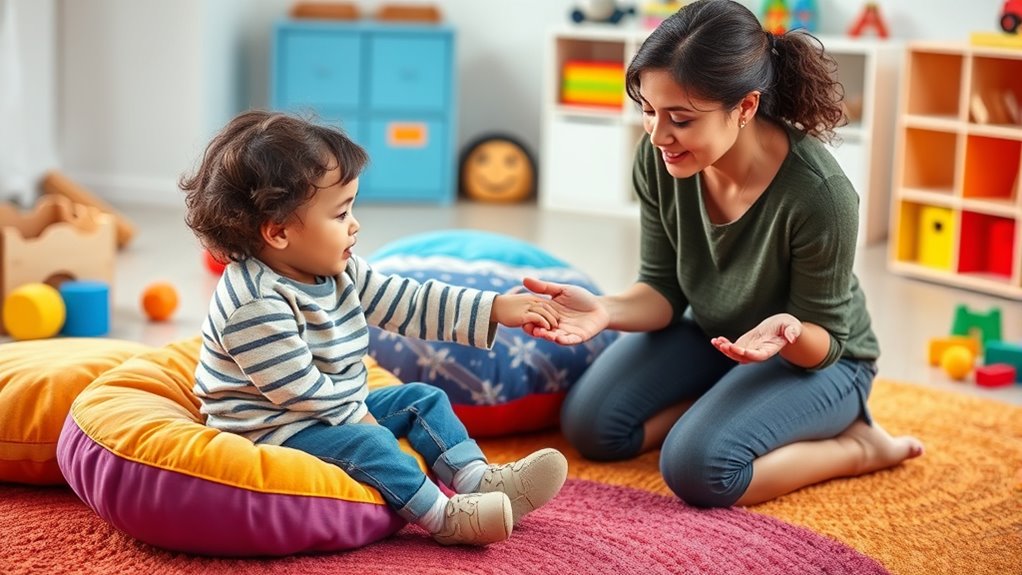
When kids feel upset or frustrated, they often resort to hitting or biting because they haven’t yet learned how to express their feelings with words. Teaching them to use words instead of hands helps develop their conflict resolution skills and emotional regulation. Start by modeling calm, clear language when you notice your child upset, and encourage them to name their feelings, like “I’m angry” or “I need help.” Practice simple phrases they can use in tense moments, and praise their efforts to communicate. Reinforcing positive speech helps children understand that words are effective tools for expressing emotions. Over time, this builds their confidence in managing feelings without resorting to physical actions, fostering healthier ways to resolve conflicts.
Using Positive Reinforcement for Good Behavior
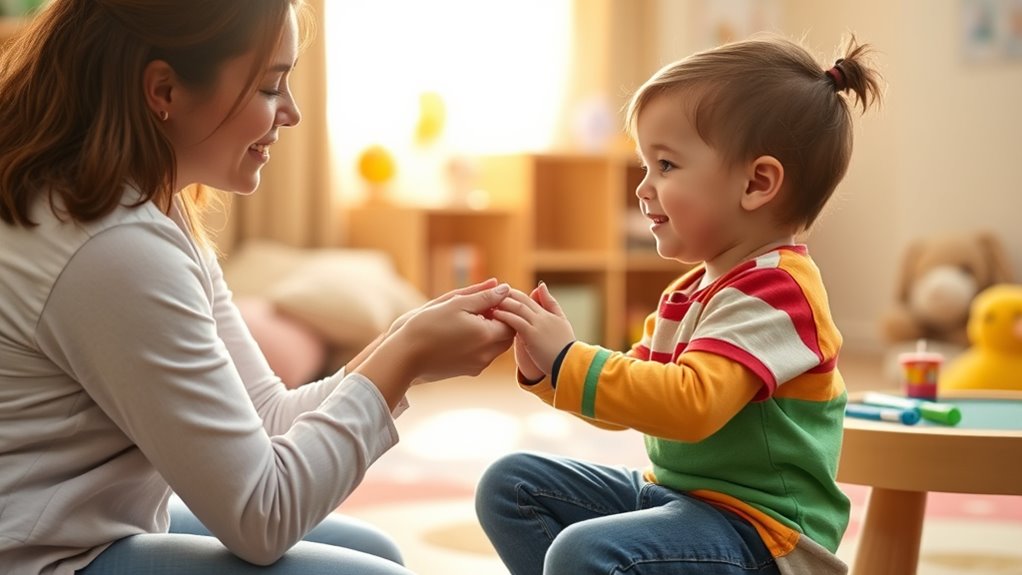
Encouraging good behavior becomes more effective when you focus on reinforcing positive actions rather than just addressing missteps. Positive reinforcement helps your child feel proud and motivated to repeat good behavior. Here are four ways to make it work:
- Celebrate small wins with enthusiastic, consistent praise.
- Use specific praise like “Great job sharing your toys.”
- Offer immediate rewards to reinforce good choices.
- Stay consistent so your child knows what to expect.
When you consistently praise positive actions, your child learns what behaviors are appreciated. This approach builds confidence and encourages gentle hands. Remember, positive reinforcement isn’t about praise alone but about creating a supportive environment where good behavior is recognized and valued. Your steady, loving response can shape lasting, positive habits.
Managing Impulses and Emotions Effectively

Managing impulses and emotions is essential for helping your child respond calmly and appropriately in challenging situations. When you teach emotional regulation, you’re giving your child tools to identify and express feelings in healthy ways. Encourage them to pause and take deep breaths when they feel overwhelmed or upset. Developing impulse control involves setting clear boundaries and consistent routines that help your child understand acceptable behaviors. Reinforce positive responses and model calm behavior yourself, especially during stressful moments. By fostering emotional regulation and impulse control, you help your child gain confidence in managing their feelings. This foundation reduces the likelihood of biting or hitting, as your child learns to handle emotions constructively and respond thoughtfully, rather than react impulsively.
Providing Safe and Engaging Alternatives
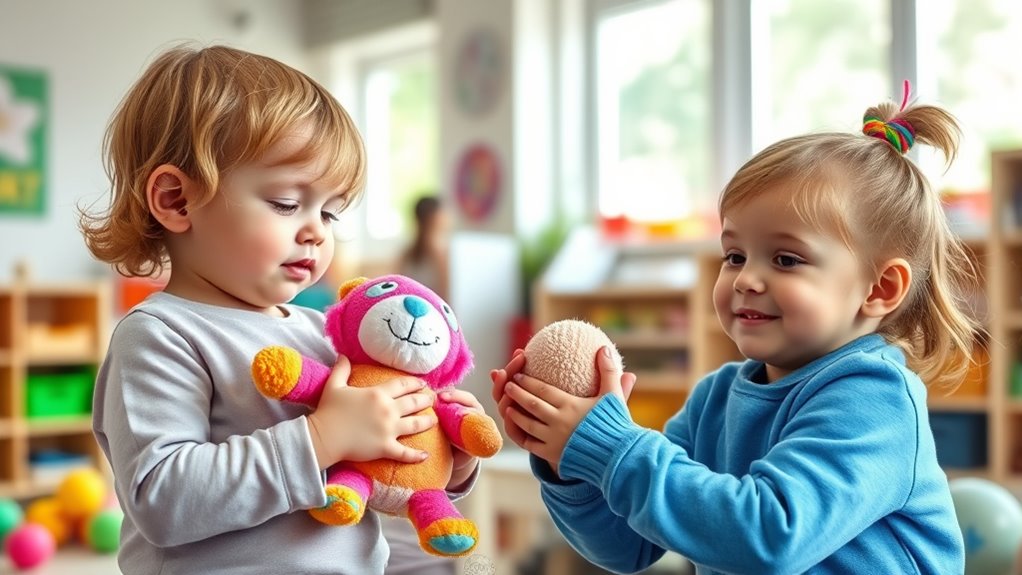
You can help redirect your child’s energy by offering creative play options that engage their mind and body. When you use calm, clear guidance, you set a reassuring tone that encourages better choices. These strategies make it easier for your child to find safe and satisfying ways to express themselves.
Offer Creative Play Options
When children feel the urge to bite or hit, offering engaging and safe play options can redirect their energy positively. Creative play and sensory activities help children express themselves constructively. Try these options:
- Sensory bins filled with rice, beans, or sand to explore textures and calm their nerves.
- Playdough or clay for shaping and squeezing, channeling energy into creative expression.
- Art supplies like crayons, markers, and paper for drawing feelings and experiences.
- Musical instruments such as drums or shakers, allowing children to release energy through rhythm.
These alternatives keep children engaged, foster emotional regulation, and teach them healthier ways to cope with frustration. With safe and stimulating options, you help them develop positive habits that replace hitting or biting.
Use Calm, Clear Guidance
Offering creative play options helps redirect children’s energy, but guiding them calmly and clearly guarantees they understand appropriate ways to express themselves. Use gentle language and specific guidance to navigate sibling rivalry and peer interactions. When conflicts arise, suggest safe alternatives like taking deep breaths or using words instead of hitting. Consistency is key: reinforce positive behavior and calmly correct negative actions.
| Situation | Calm Guidance Approach | Safe Alternative |
|---|---|---|
| Sibling rivalry | “Let’s share toys equally” | Use words to express feelings |
| Peer interactions | “Please ask nicely” | Walk away if upset |
| Hitting or biting | “Hands are gentle; no hitting” | Hug or use a stuffed animal |
| Feeling frustrated | “Take a break and breathe” | Draw or talk about feelings |
| Disagreements | “Listen and share your thoughts” | Find a compromise |
Communicating With Care During Incidents
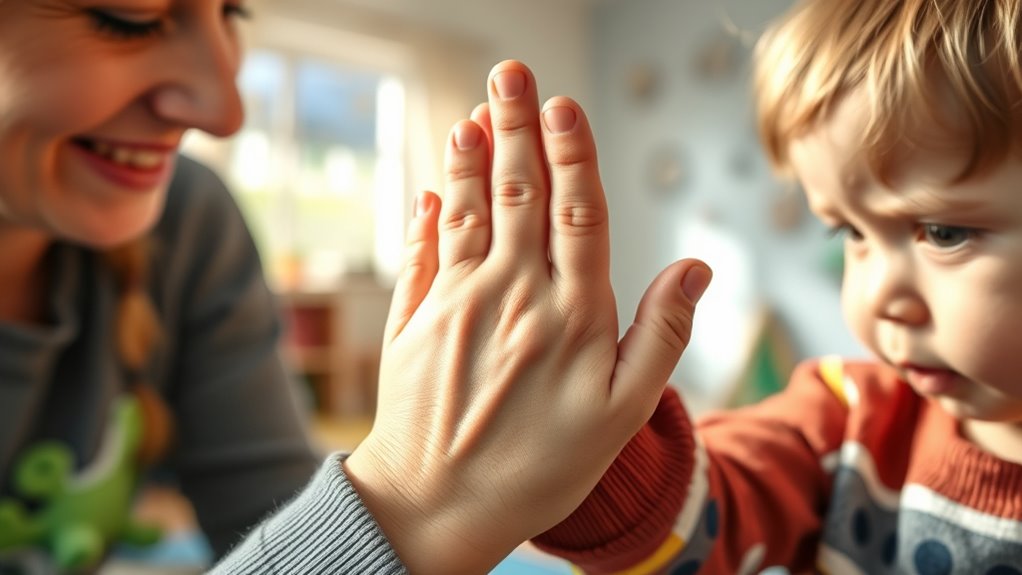
During incidents of biting or hitting, communicating with care helps de-escalate the situation and supports your child’s emotional needs. Use calm body language, eye contact, and gentle tone to show understanding. Remember, emotional intelligence guides how you respond—acknowledging feelings without judgment. Here are four ways to communicate with compassion:
- Stay composed to model control and safety.
- Use empathetic words to validate feelings.
- Maintain open body language to invite trust.
- Avoid harsh tones or punishment, focusing instead on connection.
Collaborating With Caregivers and Educators

Collaborating with caregivers and educators is essential for consistently addressing biting and hitting behaviors. When you work closely together, you create a unified approach that prioritizes child safety and promotes positive social skills. Sharing observations helps everyone understand triggers and effective strategies, reducing incidents over time. Showing caregiver empathy fosters trust and open communication, encouraging everyone to support the child’s emotional needs. Consistent messaging across home and educational settings reinforces teaching gentle hands and managing impulses. Regular check-ins allow you to adjust approaches as needed, ensuring the child feels safe and understood. By partnering effectively, you help children develop healthier ways to express themselves while maintaining a safe and nurturing environment for all.
Frequently Asked Questions
How Can I Tell if My Child’s Hitting Is Due to Frustration or Anger?
You can tell if your child’s hitting stems from frustration or anger by observing their emotional cues and behavioral patterns. Notice if they hit after losing a game or when overwhelmed, indicating frustration. If they hit during conflicts or when upset, it might be anger. Pay attention to their body language and tone, helping you understand their emotions better and respond appropriately to teach them healthier ways to express feelings.
What Are Some Signs That My Child Is Ready to Learn Gentle Touch?
You’ll notice your child is ready to learn gentle touch when their body language becomes calm and they respond positively to gentle cues, like softly touching a toy or person. For example, if your toddler pauses, looks at your face, and mimics your calm, positive tone, they’re showing emotional cues that they understand and can practice gentle touch. These signs indicate they’re ready to learn and practice gentle, respectful interactions.
How Do I Handle Repeated Biting Despite Consistent Discipline?
When your child keeps biting despite consistent discipline, you should redirect their behavior to more appropriate actions and establish clear boundaries. Calmly explain that biting hurts and offer alternatives like using words or gentle touches. Consistency is key; reinforce positive behavior immediately and avoid giving attention to biting. Over time, these strategies help your child understand acceptable ways to express themselves, reducing repeated biting episodes.
Are There Specific Toys or Activities That Help Reduce Aggressive Behavior?
Think of your child’s energy as a wild river needing a channel. Sensory toys like squishy balls or textured objects act like dams, guiding that energy safely. Creative activities, such as finger painting or building blocks, serve as outlets for expression. These toys and activities can redirect aggressive impulses, transforming tension into focused play. By engaging your child’s senses and creativity, you help reduce aggressive tendencies naturally and joyfully.
How Can I Involve Siblings or Peers in Teaching Respectful Interactions?
You can involve siblings or peers by encouraging peer modeling and sibling cooperation. Show them how to interact respectfully, and praise their positive behavior. Organize shared activities that promote teamwork, like collaborative games or crafts, to foster mutual respect. When children see peers acting kindly, they’re more likely to imitate those actions. Consistently reinforce gentle interactions, and guide siblings to support each other in practicing respectful communication.
Conclusion
Remember, managing biting and hitting isn’t about turning your little tornado into a perfect angel overnight. Think of yourself as the captain steering a tiny ship through stormy seas—patience, clear signals, and a calm voice are your best tools. With consistent boundaries and gentle modeling, you’ll soon see your little storm calm into a gentle breeze, ready to explore the world with kindness, not chaos. After all, even pirates learn to walk the plank with a smile.