
To balance treats in family life, plan special occasions like birthdays or seasonal events to enjoy treats without overdoing it. Set clear budgets and involve family members in choosing and preparing snacks, making treats feel special and memorable. Focus on meaningful activities and experiences rather than material excess. Thoughtful planning helps create joyful moments, keeps routines stable, and promotes moderation. Keep exploring for more tips on maintaining a happy, healthy family environment centered on meaningful celebrations.
Key Takeaways
- Plan treats around meaningful celebrations to create joyful, memorable family moments without excess.
- Set weekly treat budgets and involve children in choosing and preparing snacks to teach moderation.
- Focus on quality experiences over material gifts, emphasizing shared activities and milestones.
- Incorporate nutritious, low-cost snacks and alternative ways to celebrate that don’t rely solely on sweets.
- Balance treats with routines to maintain a healthy, stress-free environment centered on meaningful family life.
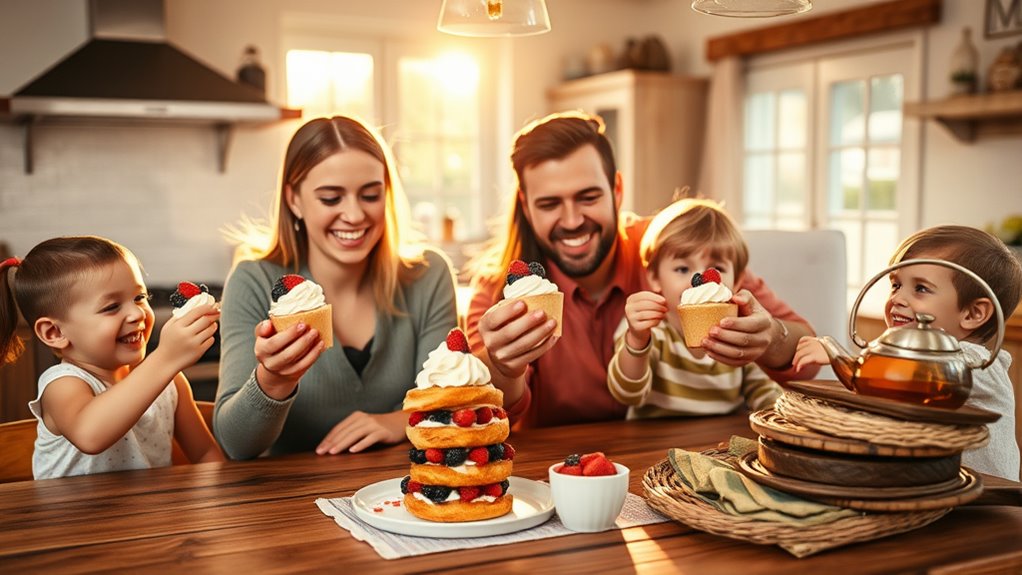
Have you ever wondered how families can enjoy special treats without disrupting their daily routines? It’s a common question, especially when you want to balance the joy of celebrating milestones with the practical need to manage snack budgets. The key lies in planning and moderation, making sure that treats enhance your family’s experiences without becoming a source of stress or financial strain. Celebrating milestones—like birthdays, achievements, or seasonal events—offers a perfect opportunity to indulge a little, but it’s important to do so thoughtfully. Instead of splurging on large quantities of sweets or expensive goodies, focus on meaningful treats that hold significance. For example, baking a homemade cake or preparing a special snack together can turn a simple celebration into a memorable family activity. These moments create lasting memories and reinforce the value of shared experiences over material excess.
Balancing treats and routines through planning and meaningful celebrations fosters joy without stress or overspending.
Managing snack budgets is equally vital when it comes to maintaining balance. You don’t have to completely eliminate treats, but setting clear limits helps prevent overindulgence and keeps your finances in check. Consider allocating a specific amount of money each week for treats, and stick to it. This approach teaches kids about budgeting and encourages them to appreciate treats as something special, not an everyday expectation. Shopping smarter also helps—buying in bulk, choosing store brands, or selecting seasonal items can stretch your budget further. When shopping for snacks, focus on nutritious options that can double as treats, such as fruit dipped in yogurt or homemade granola bars, which can satisfy cravings while being economical.
Another effective strategy involves involving your family in the decision-making process. Letting kids choose a treat within the set budget or participate in preparing snacks fosters a sense of ownership and teaches them about moderation. It also turns treat time into a fun, educational experience. Remember, treats don’t always have to be sugary or high-calorie. Sometimes, a special outing to a local park with healthy snacks or a picnic can be just as celebratory. These alternatives keep the focus on quality time together rather than just the consumable aspect of the treats.
Ultimately, balancing treats in family life is about creating a healthy, enjoyable environment where milestones are celebrated meaningfully and snack budgets are respected. By planning ahead, involving your family, and making thoughtful choices, you can guarantee treats remain a source of happiness rather than stress. This way, your family can savor special moments without sacrificing the stability of your daily routines or your financial well-being.

Large Capacity Bento Box for Adults, 4-Piece Set – Stackable Lunch Box with 4 Compartments, Microwave & Dishwasher Safe, Reusable Meal Prep Containers, Snack Containers for Kids & Adults (4 Colors)
【Premium, Safe Materials】 Crafted from high-quality, food-grade PP material and wheat straw, our Bento Box set is BPA-free,…
As an affiliate, we earn on qualifying purchases.
As an affiliate, we earn on qualifying purchases.
Frequently Asked Questions
How Can I Prevent Treats From Causing Behavior Issues?
You can prevent treats from causing behavior issues by practicing treat portion control and setting clear boundaries. Offer small, manageable portions to avoid overindulgence, and be consistent with your rules. Watch for emotional triggers that may lead your child to seek comfort through treats, and address these feelings directly. By maintaining structure and understanding emotional cues, you help your child enjoy treats without negative behaviors.
What Are Healthy Treat Alternatives for Children?
Did you know that kids who enjoy healthy snack swaps are more likely to develop better eating habits? You can try creative treat ideas like fruit skewers, yogurt parfaits, or homemade granola bars. These alternatives are nutritious and fun to make, satisfying your child’s sweet tooth without the excess sugar. Incorporating colorful, tasty options helps teach balance while keeping treats enjoyable and healthy.
How Do I Set Boundaries Around Treat Consumption?
To set boundaries around treat consumption, start by managing treat portioning—offer small, controlled servings to prevent overindulgence. Also, establish regular snack timing, so treats don’t become a default snack choice. Communicate clear rules with your family, like having treats only after meals or during specific times. Consistency helps your kids understand limits, making it easier to enjoy treats without overdoing it.
What Role Does Age Play in Treat Moderation?
Age influences treat moderation because kids’ preferences and needs change as they reach new developmental milestones. Younger children often have limited self-control, making consistent boundaries essential. As they grow, they develop better understanding and self-regulation, allowing for more flexibility. You’ll notice their taste buds evolve, and they can handle treats in moderation, but always stay alert to their age-related preferences so you can adapt your approach for a healthy balance.
How Can I Involve Kids in Choosing Treats Responsibly?
You can involve kids in choosing treats responsibly by setting clear guidelines beforehand. Let them pick from healthy options or limit their choices to special treats. Encourage responsible snacking by discussing portion sizes and the importance of moderation. Make it a fun activity where they feel involved and empowered, helping them understand balanced eating. This way, they learn to make healthier choices while enjoying treats responsibly.

Husfunov 15 Set Reusable Snack Containers with Lids, 2-Compartment Leakproof Sauces Dipping Box, On-the-Go Snack Pack Containers for Kids and Adults, BPA-Free
Food Grade Material: The snack containers are made of PP5 plastic, which is BPA free, reusable and more…
As an affiliate, we earn on qualifying purchases.
As an affiliate, we earn on qualifying purchases.
Conclusion
By balancing treats thoughtfully, you create joyful moments without guilt. Imagine a family who schedules special dessert nights once a week, ensuring everyone enjoys a treat while maintaining healthy habits. This approach fosters connection and teaches moderation. When you prioritize meaningful experiences over constant indulgence, you build a loving environment where treats become a source of happiness, not stress. So, keep the balance—your family will thank you for it.

Kootek 158PCs Cake Decorating Kit, Baking Supplies Tools – Includes Cake Stand Turntable, 64 Icing Piping Tips Set, 2 Frosting Spatulas, 3 Scrapers, 50+2 Pastry Bags, Coupler, Video Tutorial, Booklet
All-in-One Cake Decorating Supplies Kit: Total 158pcs baking accessories, includes everything you need to start decorating your cakes:…
As an affiliate, we earn on qualifying purchases.
As an affiliate, we earn on qualifying purchases.
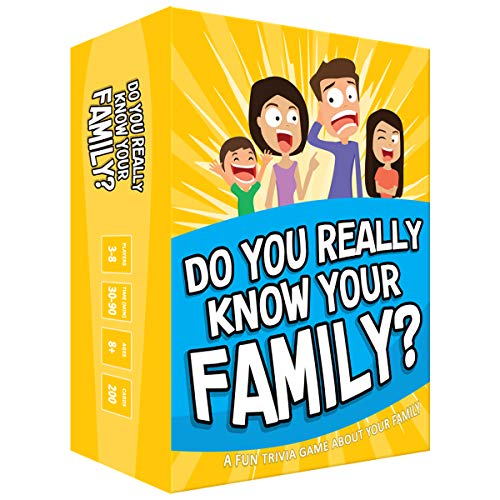
Do You Really Know Your Family? A Fun Family Game Filled with Conversation Starters and Challenges – Great for Kids, Teens and Adults
Get ready for the best family game night as you laugh and learn new things about each other…
As an affiliate, we earn on qualifying purchases.
As an affiliate, we earn on qualifying purchases.