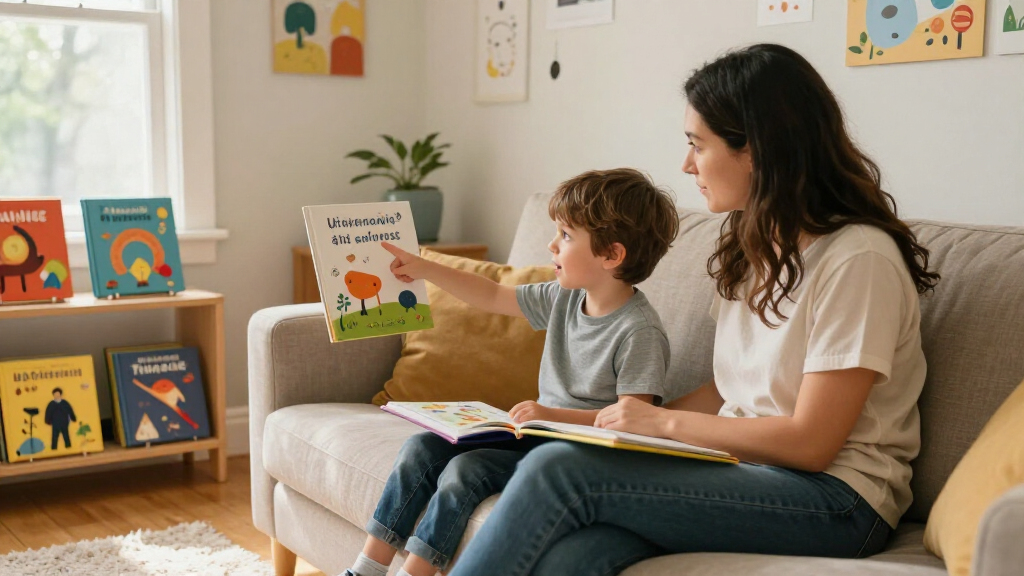

The best neurodiversity picture books help children feel seen while giving families and classrooms language for different ways of thinking, sensing, and communicating. My best overall pick is Wonderfully Wired Brains for its broad introduction, while Too Much!: An Overwhelming Day stands out for making sensory overload relatable and Just Ask! for opening up conversations about visible and invisible differences. The main tradeoff is between a wide-angle book that introduces many experiences and a focused story that may speak more directly to one child’s needs. Age, reading style, and whether you want representation, practical language, or a story to share all affect the right choice. Read on for my full breakdown and guidance on choosing a book that fits your reader.

Get baby and family essentials delivered free — and shop member deals
- Fast, free delivery on millions of items
- Access to Prime Big Deal Days deals on October 6–7
- Prime Video, Amazon Music and more included
Complete the kit


Key Takeaways
- Wonderfully Wired Brains is the strongest broad introduction in this lineup; books such as All My Stripes and Aaron Slater, Illustrator focus more tightly on particular experiences and strengths.
- Too Much!: An Overwhelming Day and My Brain Is Magic approach sensory differences from contrasting angles: one centers overload, while the other celebrates sensory seeking.
- Practical conversation starters, including My Body Has a Bubble and Just Ask!, can help with boundaries and curiosity, but they serve a different purpose from identity-centered stories.
- The lineup spans broad neurodiversity introductions, autism-focused stories, ADHD-related self-regulation, introversion, and sensory experiences; no single title represents every neurodivergent child.
- A focused story may feel more personally relevant than a general overview, while a broad book can work better for group reading where children have different needs.
| Next Level: A Hymn in Gratitude for Neurodiversity |  | Best for Poetic, Affirming Read-Alouds | Format: Picture book | Subject: Neurodiversity | Approach: Poetic hymns | VIEW LATEST PRICE | See Our Full Breakdown |
| Aaron Slater, Illustrator: A Picture Book (The Questioneers) |  | Best for a Story-Led Introduction | Format: Picture book | Series: The Questioneers | Featured character: Aaron Slater | VIEW LATEST PRICE | See Our Full Breakdown |
| Too Much!: An Overwhelming Day |  | Best for Naming Overwhelm | Format: Children’s picture book | Subject: Feeling overwhelmed | Setting or situation: A busy day | VIEW LATEST PRICE | See Our Full Breakdown |
| This Is My Brain!: A Book on Neurodiversity |  | Best for a Direct Topic Introduction | Format: Picture book | Subject: Neurodiversity | Stated focus: A book about the brain and neurodiversity | VIEW LATEST PRICE | See Our Full Breakdown |
| Diversity Is Our Superpower: Neurodiversity Picture Book for Kids about an Introvert, Highly Sensitive Child Feeling Different for Toddlers, Ages 2-8 |  | Best for Introverted and Highly Sensitive Children | Format: Picture book | Subject: Neurodiversity | Featured experiences: Introversion and high sensitivity | VIEW LATEST PRICE | See Our Full Breakdown |
| Neurodiversity! What’s That? |  | Best for Starting a Conversation | Title: Neurodiversity! What’s That? | ASIN: 1399918230 | Product category: Book | VIEW LATEST PRICE | See Our Full Breakdown |
| My Body Has a Bubble: Understanding, Respecting, and Protecting Personal Space | 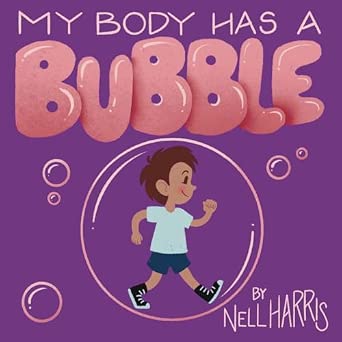 | Best for Teaching Personal Boundaries | Title: My Body Has a Bubble: Understanding, Respecting, and Protecting Personal Space | ASIN: 0645976326 | Product category: Book | VIEW LATEST PRICE | See Our Full Breakdown |
| Different—A Great Thing to Be! |  | Best for Celebrating Difference | Title: Different—A Great Thing to Be! | ASIN: 0593232658 | Product category: Book | VIEW LATEST PRICE | See Our Full Breakdown |
| Wonderfully Wired Brains: An Introduction to the World of Neurodiversity |  | Best for a Broad Introduction | Title: Wonderfully Wired Brains: An Introduction to the World of Neurodiversity | ASIN: 0744074630 | Product category: Book | VIEW LATEST PRICE | See Our Full Breakdown |
| Impulse Control Picture Book for Kids Ages 3–7: An ADHD Story About Patience, Waiting, and Self-Regulation |  | Best for Practicing Patience | Title: Impulse Control Picture Book for Kids Ages 3–7: An ADHD Story About Patience, Waiting, and Self-Regulation | ASIN: B0GXDQJXXQ | Age range: 3–7 years | VIEW LATEST PRICE | See Our Full Breakdown |
| All My Stripes: A Story for Children with Autism |  | Best for Autism-Focused Emotional Support | Format: Children’s story | Topic: Autism | Audience: Children | VIEW LATEST PRICE | See Our Full Breakdown |
| Just Ask!: Be Different, Be Brave, Be You |  | Best for Self-Acceptance Conversations | Format: Children’s book | Topic: Individuality and self-acceptance | Themes: Confidence and expressing oneself | VIEW LATEST PRICE | See Our Full Breakdown |
| My Brain Is Magic: A Sensory-Seeking Celebration |  | Best for Celebrating Sensory-Seeking Kids | Format: Children’s book | Topic: Sensory-seeking behaviors | Approach: Celebratory and acceptance-focused | VIEW LATEST PRICE | See Our Full Breakdown |
| neurodiversity picture book | Format | Age range |
|---|---|---|
| Next Level: A Hymn in Gratitud | Picture book | Not specified in the supplied product information |
| Aaron Slater | Picture book | Not specified in the supplied product information |
| Too Much!: An Overwhelming Day | Children’s picture book | Not specified in the supplied product information |
| This Is My Brain!: A Book on N | Picture book | Not specified in the supplied product information |
| Diversity Is Our Superpower: N | Picture book | 2–8 years |
| Neurodiversity! What’s That? | Not provided | Not provided |
| My Body Has a Bubble: Understa | — | Not provided |
| Different—A Great Thing to Be! | Not provided | Not provided |
| Wonderfully Wired Brains: An I | Not provided | Not provided |
| Impulse Control Picture Book f | Picture book | 3–7 years |
| All My Stripes: A Story for Ch | Children’s story | — |
| Just Ask!: Be Different | Children’s book | — |
| My Brain Is Magic: A Sensory-S | Children’s book | — |
More Details on Our Top Picks
Next Level: A Hymn in Gratitude for Neurodiversity
Next Level: A Hymn in Gratitude for Neurodiversity takes an expressive, celebratory approach, using poetic hymns to encourage appreciation of different neurological experiences. That makes it a distinct choice beside This Is My Brain!, whose title suggests a more direct introduction to the topic. The book’s gratitude-centered framing may suit families who want an affirming shared reading rather than a guide focused on particular diagnoses or coping strategies. Its main limitation is the lack of detail about the poems, illustrations, reading level, or length, so I can’t judge how accessible the language will be for a particular child. It is also less clearly suited to a child seeking concrete explanations of overwhelm than Too Much! appears to be. I’d choose it for its poetic premise, while checking a sample before relying on it as an instructional resource.
Pros:- Frames neurodiversity through gratitude and appreciation
- Poetic hymn form offers a different reading experience from straightforward informational titles
- Its celebratory focus can open a conversation about neurological differences
Cons:- Available information does not describe the poems’ language, illustrations, or length
- No specific age range or reading-level guidance is provided
- The description does not identify particular experiences or practical support strategies
Best for: Families and educators seeking a poetic, affirming read-aloud about valuing varied neurological experiences.
Not ideal for: Readers who need clearly described explanations, specific neurodivergent experiences, or practical strategies; the available details do not establish that this book provides them.
- Format:Picture book
- Subject:Neurodiversity
- Approach:Poetic hymns
- Themes:Gratitude, understanding, and appreciation of diverse neurological experiences
- Intended audience:Children and readers exploring neurodiversity
- Age range:Not specified in the supplied product information
- Length:Not specified in the supplied product information
- Illustration details:Not specified in the supplied product information
Our verdict“Choose this for an affirming, poetry-led introduction, but look elsewhere if your child needs concrete explanations or coping tools.”
Aaron Slater, Illustrator: A Picture Book (The Questioneers)
Aaron Slater, Illustrator is the story-led pick in this group: it features a character from The Questioneers, while the supplied information gives no further plot or neurodiversity details. That makes its familiar series connection a possible draw for children who already enjoy the Questioneers, but it also leaves parents with less to evaluate than they have for Too Much!, which is described as addressing overwhelm. I would not assume this book explains a particular diagnosis, sensory need, or learning difference from the title alone. Its place here is best understood as a potential character-based entry point, rather than a confirmed how-to resource. Without details about its themes, age range, or format beyond picture book, buyers may want to preview it before choosing it for a specific neurodiversity conversation.
Pros:- Features Aaron Slater, a character from The Questioneers
- Picture-book format is suited to shared reading
- A story-centered option alongside titles described as more directly focused on feelings or neurodiversity
Cons:- Supplied information does not describe the plot or its connection to neurodiversity
- No age range, length, or illustration details are provided
- Buyers cannot establish from the available details whether it offers explanations or support strategies
Best for: Families whose children already enjoy The Questioneers and want to explore this character’s story together.
Not ideal for: Caregivers looking for confirmed, specific coverage of neurodiversity, a defined age range, or practical guidance; those details were not supplied.
- Format:Picture book
- Series:The Questioneers
- Featured character:Aaron Slater
- Character role:Illustrator
- Subject details:Not further specified in the supplied product information
- Age range:Not specified in the supplied product information
- Length:Not specified in the supplied product information
- Illustration details:Not specified in the supplied product information
Our verdict“Consider it for a Questioneers fan who prefers character-led reading, but preview it first if you need specific neurodiversity content.”
Too Much!: An Overwhelming Day
Too Much!: An Overwhelming Day has the clearest stated situation in this set: a child experiences a busy day that feels overwhelming. That focused premise gives caregivers a concrete opening to talk about stress and overload, making it more specific than Diversity Is Our Superpower, which is described around introversion, sensitivity, and acceptance. The supplied description also mentions comforting messages, so the book appears oriented toward recognition and reassurance rather than only defining neurodiversity. Still, it does not explain what those messages are or whether it offers practical regulation strategies. Families wanting a broad celebration of neurological differences may prefer a wider-scope title; this one makes more sense when a child needs language for feeling overloaded. Details about age range, illustrations, and length are not available, which limits how precisely I can judge the fit.
Pros:- Focuses on a recognizable experience of feeling overwhelmed
- Offers relatable scenarios for discussing stress with children
- Description indicates a comforting tone
- Its specific emotional focus complements broader neurodiversity titles
Cons:- The supplied information does not describe specific scenarios or reassurance messages
- No age range, length, or illustration details are provided
- Practical coping or regulation strategies are not confirmed
Best for: Caregivers of young children who want a story to help name and discuss stress or feeling overloaded during a busy day.
Not ideal for: Readers seeking a broad overview of neurodiversity or clearly described coping techniques; the available description centers on overwhelm but does not confirm those features.
- Format:Children’s picture book
- Subject:Feeling overwhelmed
- Setting or situation:A busy day
- Themes:Stress, overload, and comforting messages
- Intended audience:Young readers experiencing stress or overload
- Age range:Not specified in the supplied product information
- Length:Not specified in the supplied product information
- Illustration details:Not specified in the supplied product information
Our verdict“Pick this when the immediate goal is to talk about overwhelm, not to cover the full range of neurodiversity.”
This Is My Brain!: A Book on Neurodiversity
This Is My Brain!: A Book on Neurodiversity is the most direct title in this group about the subject itself, making it a natural candidate for families who want to begin a conversation about neurodiversity rather than start with one experience such as overwhelm in Too Much!. That clarity in topic is useful, but the supplied description offers no further information about the book’s approach, specific examples, or intended age. I can’t tell whether it explains different neurological profiles, focuses on personal identity, or gives children practical language for talking about their own needs. Compared with Next Level, which is described as poetic and gratitude-centered, this title sounds more plainly introductory, though the available details do not confirm its teaching style. It has a strong subject match, but buyers should preview it if they need content tailored to a particular child or learning level.
Pros:- Names neurodiversity directly in the title
- Picture-book format can support shared discussion
- A broader topic focus than books described around one specific emotional experience
Cons:- No details are supplied about the book’s content or teaching approach
- Age range, length, and illustration information are unavailable
- Specific neurological experiences and support strategies are not confirmed
Best for: Parents and educators seeking a picture book explicitly about neurodiversity as a starting point for discussion.
Not ideal for: Buyers who need confirmed coverage of a specific diagnosis, practical strategies, or a known reading level; the supplied description does not establish these.
- Format:Picture book
- Subject:Neurodiversity
- Stated focus:A book about the brain and neurodiversity
- Intended audience:Not further specified in the supplied product information
- Age range:Not specified in the supplied product information
- Length:Not specified in the supplied product information
- Illustration details:Not specified in the supplied product information
- Reading approach:Not specified in the supplied product information
Our verdict“Choose it as a direct-topic candidate, but check the contents first if you need a particular age level or subject focus.”
Diversity Is Our Superpower: Neurodiversity Picture Book for Kids about an Introvert, Highly Sensitive Child Feeling Different for Toddlers, Ages 2-8
Diversity Is Our Superpower stands out for naming introversion and high sensitivity as the experiences at its center, rather than presenting neurodiversity only as a broad concept. Its stated audience spans toddlers through age eight, giving families a clear age guide that is missing from This Is My Brain!. The emphasis on feeling different and finding acceptance may help caregivers start a conversation with a child who experiences emotions intensely or prefers a quieter pace. The tradeoff is that the supplied description says little about the story, illustrations, or how these ideas are explained to toddlers versus older children. It also appears more focused on introversion and sensitivity than the busy-day overload addressed by Too Much!. I’d choose it for that particular need, not as a stand-in for a wider survey of neurodivergent experiences.
Pros:- Specifically highlights introversion and high sensitivity
- Addresses the feeling of being different through an acceptance-focused premise
- Provides a stated age range of 2–8
- Offers a distinct focus from books centered on overwhelm or general brain differences
Cons:- The supplied information does not describe the plot or how the themes are presented
- Illustration style and book length are not specified
- The description does not confirm practical support strategies or broad coverage of neurodiversity
Best for: Families with children ages 2–8 who identify with introversion or high sensitivity and want an acceptance-focused story about feeling different.
Not ideal for: Buyers seeking detailed coverage of multiple neurodivergent profiles or specific coping strategies; the description centers on introversion and sensitivity without confirming broader guidance.
- Format:Picture book
- Subject:Neurodiversity
- Featured experiences:Introversion and high sensitivity
- Themes:Feeling different, empathy, and acceptance
- Age range:2–8 years
- Intended audience:Young children, including toddlers
- Length:Not specified in the supplied product information
- Illustration details:Not specified in the supplied product information
Our verdict“Choose this for a child ages 2–8 who may relate to introversion or high sensitivity, rather than for a broad neurodiversity guide.”
Neurodiversity! What’s That?
Neurodiversity! What’s That? has a direct, question-led title that makes it a natural candidate for introducing the idea that brains work in different ways. The available product information gives no description, age guidance, format, or details about the book’s approach, so I’d treat it as a conversation starter rather than assume it covers particular diagnoses or strategies. Compared with Wonderfully Wired Brains, which is explicitly described as an introduction to neurodiversity, this title offers less confirmed information about its scope. That uncertainty is its main tradeoff: caregivers may need to preview it or add their own explanations. It also has less specific practical focus than My Body Has a Bubble, which addresses personal boundaries. Choose this book when the title fits your goal and you can check the content before sharing it.
Pros:- The title frames neurodiversity as an approachable question
- Its broad topic may suit an introductory discussion
- Could pair with more focused books such as My Body Has a Bubble
Cons:- No description is provided to confirm what the book covers
- No age range, format, or reading-level details are available
- The product information does not establish its neurodiversity-affirming approach
Best for: Caregivers and educators looking for a possible first conversation about neurodiversity who can preview the book before reading it with a child
Not ideal for: Buyers who need confirmed age guidance, detailed topic coverage, or practical strategies from the product information
- Title:Neurodiversity! What’s That?
- ASIN:1399918230
- Product category:Book
- Topic indicated by title:Neurodiversity
- Age range:Not provided
- Format:Not provided
Our verdict“Choose it as a possible conversation opener only if you can verify the contents and suitability for your child.”
My Body Has a Bubble: Understanding, Respecting, and Protecting Personal Space
My Body Has a Bubble earns its place by addressing a concrete social topic: personal space, boundaries, and safety. Its simple language is intended to help children understand both their own boundaries and other people’s, giving adults a focused starting point for conversation. That makes it more practical on this particular subject than Neurodiversity! What’s That?, whose available information does not confirm its contents. The narrower focus is also a limitation: this is not presented as a broad introduction to neurodiversity or a guide to a specific diagnosis. Product details do not name an age range or explain how the concepts are illustrated, so caregivers may want to preview it for developmental fit. It suits families seeking language for boundary discussions, but not those wanting a wide-ranging neurodiversity overview.
Pros:- Focuses on personal boundaries and respecting others’ space
- Uses language described as easy for children to understand
- Connects social awareness with personal safety
- Offers a more specific discussion prompt than broad introductory titles
Cons:- No specific age range is provided
- The available description does not detail the story or teaching approach
- Its personal-space focus does not provide broad coverage of neurodiversity
Best for: Caregivers and teachers who want child-friendly language for discussing personal space, consent, and respect for others’ boundaries
Not ideal for: Readers seeking an all-purpose introduction to neurodiversity, or buyers who need a stated age range before choosing a book
- Title:My Body Has a Bubble: Understanding, Respecting, and Protecting Personal Space
- ASIN:0645976326
- Product category:Book
- Main topic:Personal space and boundaries
- Additional topics:Personal safety and social awareness
- Language style:Described as easy-to-understand for children
- Age range:Not provided
Our verdict“Pick this for focused conversations about boundaries and safety, rather than as a general guide to neurodiversity.”
Different—A Great Thing to Be!
Different—A Great Thing to Be! has an affirming title suited to families looking for a positive conversation about being different. The product information supplied here does not include a description, so I can’t confirm which differences the story addresses, how it handles neurodivergence, or what age group it targets. That makes it a less substantiated choice than Wonderfully Wired Brains, which is specifically described as an introduction to different ways brains can work. Its likely appeal is the celebratory framing; its tradeoff is that buyers have little confirmed detail for judging whether the story matches a child’s needs. Compared with My Body Has a Bubble, it also lacks a stated practical skill focus. I’d shortlist it for its inclusive premise, but check the book itself before relying on it for specific neurodiversity guidance.
Pros:- The title presents difference in a positive, celebratory way
- Its broad framing may support conversations about inclusion
- Could complement more topic-specific books such as My Body Has a Bubble
Cons:- No product description confirms the story’s themes or approach
- No age range or format details are provided
- The available information does not establish how directly it addresses neurodiversity
Best for: Families seeking an affirming story about difference who are comfortable checking the book’s content and age fit before buying
Not ideal for: Buyers who need confirmed coverage of neurodivergence, a specific diagnosis, or practical social-emotional guidance
- Title:Different—A Great Thing to Be!
- ASIN:0593232658
- Product category:Book
- Topic indicated by title:Difference and inclusion
- Age range:Not provided
- Format:Not provided
Our verdict“Consider it for an affirming theme, but verify that the story specifically fits your neurodiversity goals.”
Wonderfully Wired Brains: An Introduction to the World of Neurodiversity
Wonderfully Wired Brains is the clearest pick here for explaining neurodiversity as a broad idea: its description identifies it as an introduction to the different ways brains can work. That gives it a stronger confirmed connection to the roundup’s subject than Different—A Great Thing to Be!, whose supplied information offers only an affirming title. A wide-angle introduction can help families begin discussing variation without centering one specific challenge, though the available details do not say which brain differences are covered or how the material is presented. It is also less focused on a practical skill than My Body Has a Bubble, which addresses boundaries. With no age range or format details supplied, I’d check its fit for the intended reader; its strength is breadth, not confirmed depth or tailored guidance.
Pros:- Explicitly introduces neurodiversity and different ways brains can work
- Broad framing can support discussion beyond a single diagnosis
- Has a clearer stated subject than titles with no product description
Cons:- The available description provides no detail about topics or examples
- No age range or format is specified
- The broad introduction may not meet readers’ need for focused, practical guidance
Best for: Families and educators seeking a general starting point for explaining that brains can work in different ways
Not ideal for: Buyers seeking detailed information about one neurotype, specific strategies, or a confirmed age and format
- Title:Wonderfully Wired Brains: An Introduction to the World of Neurodiversity
- ASIN:0744074630
- Product category:Book
- Stated subject:Neurodiversity
- Description:Introduction to different ways brains can work
- Age range:Not provided
- Format:Not provided
Our verdict“Choose this for a broad, explicitly stated introduction to neurodiversity, and look elsewhere for targeted skills or detailed coverage.”
Impulse Control Picture Book for Kids Ages 3–7: An ADHD Story About Patience, Waiting, and Self-Regulation
Impulse Control Picture Book for Kids Ages 3–7 is the most skill-focused choice in this group: its stated themes include waiting, patience, self-regulation, and calming big feelings, with an explicitly neurodiversity-affirming approach. The listed age range also gives caregivers more guidance than the entries with no age details. Compared with Wonderfully Wired Brains, this book narrows the discussion to impulse control rather than offering a broad introduction to neurodiversity; that focus may be useful for a specific family need, but it will not serve as an overview. It belongs to The Brainy Buds series, though no further series details are supplied. The product information does not describe the story’s techniques or how ADHD is represented, so adults looking for particular strategies should check the contents before choosing it.
Pros:- Targets patience, waiting, and impulse control directly
- Includes self-regulation and calming big feelings
- Described as neurodiversity-affirming
- Provides a stated age range of 3–7 years
Cons:- Its narrow skill focus offers less breadth than Wonderfully Wired Brains
- The description does not explain specific techniques or story details
- The ADHD framing may be less suitable for buyers seeking a general neurodiversity overview
Best for: Caregivers of children ages 3–7 who want a neurodiversity-affirming story focused on waiting, impulse control, and managing big feelings
Not ideal for: Readers looking for a broad introduction to neurodiversity or a book with confirmed, detailed self-regulation exercises
- Title:Impulse Control Picture Book for Kids Ages 3–7: An ADHD Story About Patience, Waiting, and Self-Regulation
- ASIN:B0GXDQJXXQ
- Age range:3–7 years
- Format:Picture book
- Series:The Brainy Buds
- Stated topic:Impulse control and patience
- Additional themes:Waiting, self-regulation, and calming big feelings
- Approach:Described as neurodiversity-affirming
Our verdict“Choose this for an age-labeled, focused story about patience and self-regulation, not for a broad neurodiversity introduction.”
All My Stripes: A Story for Children with Autism
All My Stripes makes the most sense for families looking for a story centered specifically on autism, rather than a broad introduction to neurodiversity. Its focus can give children a story framework for talking about feeling different and being accepted. Compared with My Brain Is Magic: A Sensory-Seeking Celebration, which centers sensory-seeking behavior, this book is the more autism-specific choice; it may suit a child whose questions are about identity rather than sensory experiences alone. The available product information, however, does not describe the plot, illustration style, age range, or practical discussion prompts, so I would not choose it on the assumption that it covers every autistic child’s experience. It is a focused starting point, not a substitute for a varied shelf of neurodiversity stories.
Pros:- Focuses specifically on children with autism
- Offers a story-based entry point for conversations about difference and acceptance
- Has a clearer autism-specific focus than broad neurodiversity introductions
Cons:- Available product details do not explain the plot or the approach to autism
- No age range, format, or discussion features are specified
- A single autism-focused story cannot represent the full range of autistic experiences
Best for: Caregivers and educators seeking an autism-centered picture book to open conversations about identity and acceptance.
Not ideal for: Readers looking for detailed information about sensory needs, a broad survey of neurodiversity, or a book with a confirmed age range and activity guidance.
- Format:Children’s story
- Topic:Autism
- Audience:Children
- Book type:Picture book
- Author:Not specified in the provided product data
- Illustrator:Not specified in the provided product data
Our verdict“Choose this for an autism-centered conversation starter, but compare it with broader titles if you want coverage of more neurodivergent experiences.”
Just Ask!: Be Different, Be Brave, Be You
Just Ask!: Be Different, Be Brave, Be You stands out for its emphasis on confidence and self-acceptance, making it a fit for readers who want a positive conversation about being different. The description presents an encouraging, motivational approach, but gives little detail about which neurodivergent experiences appear or how deeply they are explored. That makes it less specific than All My Stripes: A Story for Children with Autism, which is explicitly autism-focused, and less sensory-centered than My Brain Is Magic. I would choose this when the goal is to encourage openness and pride, not when a child needs a detailed account of a particular diagnosis or support need. Its uplifting premise is clear; its precise content and scope are not.
Pros:- Emphasizes self-acceptance and confidence
- Encourages readers to express themselves with bravery
- Provides a positive, approachable theme for discussion
Cons:- Available description does not identify specific neurodivergent experiences covered
- Content depth and storytelling details are not provided
- No age range or practical discussion guidance is specified
Best for: Families and educators seeking an encouraging book to prompt conversations about individuality, confidence, and self-acceptance.
Not ideal for: Buyers who need a clearly described autism-, ADHD-, or sensory-specific story, or who want confirmed details about content depth and age suitability.
- Format:Children’s book
- Topic:Individuality and self-acceptance
- Themes:Confidence and expressing oneself
- Audience:Readers seeking motivational stories
- Book type:Picture book
- Author:Not specified in the provided product data
Our verdict“Pick this for a broad confidence-building message, and choose a more specific title if you need a story about a particular neurodivergent experience.”
My Brain Is Magic: A Sensory-Seeking Celebration
My Brain Is Magic: A Sensory-Seeking Celebration has the clearest niche of these three: it frames sensory-seeking behavior as something to understand and celebrate. That focus may help families discuss sensory needs without turning a broad neurodiversity introduction into a list of diagnoses. Compared with All My Stripes, it is more directly about sensory behavior than autism identity; compared with Just Ask!, it offers a more defined subject than general encouragement. The description mentions engaging, colorful illustrations, but does not provide the age range, specific behaviors shown, or detail on how the story handles different sensory preferences. I would choose it for a child whose sensory-seeking experiences are central to the conversation, while pairing it with other books for a wider view of neurodiversity.
Pros:- Centers sensory-seeking behaviors rather than neurodiversity in general
- Frames sensory needs with understanding and acceptance
- Description highlights engaging, colorful illustrations
Cons:- Available details do not specify which sensory behaviors the story depicts
- No age range or format specifics beyond its description as a children’s book are provided
- Its focused subject may not address other neurodivergent experiences
Best for: Caregivers and educators looking for a celebratory picture book to discuss sensory-seeking behaviors with children.
Not ideal for: Buyers seeking a broad guide to neurodiversity, a story focused on autism identity, or confirmed age and content details.
- Format:Children’s book
- Topic:Sensory-seeking behaviors
- Approach:Celebratory and acceptance-focused
- Audience:Children with sensory needs
- Illustrations:Described as engaging and colorful
- Author:Not specified in the provided product data
Our verdict“Choose this for a sensory-seeking-focused conversation, but pair it with a broader title if you want to explore neurodiversity beyond sensory needs.”

How We Picked
I compared these books by the questions a buyer is likely to have: Does the story offer an age-accessible way into neurodiversity? Does it center a specific experience or introduce a wider range? Can its language support a useful conversation without reducing a child to a diagnosis? I also considered the distinction between narrative books, broad explainers, and practical guides, since each serves a different reading moment.
The ranking favors versatility and usefulness across readers, while still recognizing books that do a focused job particularly well. That places Wonderfully Wired Brains first as a broad starting point, with focused standouts such as Too Much! and Just Ask! close behind for specific needs. I weighed the limits of each approach too: a single-experience story may not suit every child, and a general introduction may feel less personal than a targeted narrative. I did not treat any one book as a substitute for a child’s own perspective or individual support.
| neurodiversity picture book | Format |
|---|---|
| Next Level: A Hymn in Gratitud | Picture book |
| Aaron Slater | Picture book |
| Too Much!: An Overwhelming Day | Children’s picture book |
| This Is My Brain!: A Book on N | Picture book |
| Diversity Is Our Superpower: N | Picture book |
| Neurodiversity! What’s That? | Not provided |
| My Body Has a Bubble: Understa | — |
| Different—A Great Thing to Be! | Not provided |
| Wonderfully Wired Brains: An I | Not provided |
| Impulse Control Picture Book f | Picture book |
| All My Stripes: A Story for Ch | Children’s story |
| Just Ask!: Be Different | Children’s book |
| My Brain Is Magic: A Sensory-S | Children’s book |
Factors to Consider When Choosing Best Neurodiversity Picture Books
Before choosing, decide what you want the book to do: offer recognition, explain a concept, prompt questions, or support a particular everyday skill. The title that works for a quiet one-to-one read may not be the best choice for a classroom circle or a child who prefers direct explanations.
Choose a Focus: Broad Introduction or Specific Experience
A broad introduction can help a group learn that brains work in different ways, but it may give less space to any one child’s experience. A focused story can offer a stronger sense of recognition when it reflects a reader’s sensory, communication, or attention needs. Avoid expecting a book about one diagnosis to explain every child who shares that label; traits and support needs vary widely. For a first purchase, ask whether you want a shared vocabulary or a story that feels personally familiar. Families may find both formats useful for different occasions, while a classroom may benefit from starting broad and adding specific titles as questions arise.
Match the Reading Style to the Child
Some children connect through a character and a clear story arc, while others prefer straightforward explanations and labeled ideas. A narrative can make an abstract experience easier to discuss, but a long or metaphor-heavy story may be harder to follow for a child who wants direct language. Informational books may make concepts easier to revisit, though they can feel less emotionally intimate. Think about attention span, visual preferences, and whether the child enjoys being asked questions during reading. A book is more useful when its format invites the child in rather than asking them to tolerate a style that does not fit.
Look for Recognition Without Stereotypes
Representation matters, but no character can stand in for every neurodivergent reader. Notice whether a story gives its character interests, relationships, agency, and feelings beyond a diagnosis or challenge. Books that frame difference only as a problem may leave a child with a narrow picture of themselves; books that frame every trait as a gift can also miss real difficulty. Look for language that makes room for both strengths and support needs. When reading together, let the child decide which parts feel familiar instead of telling them what they should identify with.
Decide Whether You Need a Story or a Practical Tool
Some books are best for building empathy or starting a conversation, while others address a concrete topic such as personal space, waiting, or self-regulation. A practical book can give adults and children shared words for an everyday situation, but it should not be treated as a behavior fix or a replacement for individualized support. A story-led title may be better when the goal is connection rather than instruction. Consider whether the child is likely to welcome direct teaching in a picture book or would respond better to discussing a character’s experience. Choose the format that supports the conversation you actually want to have.
Consider the Reading Setting and Who Will Join In
A book for one child and caregiver can be specific and personal; a classroom read-aloud needs language that leaves room for different experiences in the group. In a group, avoid asking a child to explain or represent a diagnosis simply because the book touches on it. A broad title may offer a safer shared starting point, while a focused book can be read voluntarily with a child who wants that subject. Think about whether the adult reading will be comfortable pausing, answering questions, or adapting the discussion. The right choice is not just about the child’s age but also about the setting and the conversation around the book.
Use Age Guidance as a Starting Point, Not a Guarantee
Suggested age ranges can help narrow choices, but children of the same age may differ in reading preferences, prior knowledge, and comfort with emotional topics. A younger child may enjoy a more detailed book when an adult reads aloud, while an older child may prefer a simple story that reflects a familiar experience. Check the amount of text, the clarity of the illustrations, and whether the subject feels approachable for your reader. If you are unsure, preview the book together or read a few pages before making it a shared activity. Paying more attention to fit than to a printed age label can prevent a well-intended book from feeling too basic or too demanding.
Frequently Asked Questions
Should I choose a general neurodiversity book or one about a specific diagnosis?
Choose a general introduction when your goal is to explain that people think, learn, and sense the world differently, especially for a mixed-age group. A focused title can be a better fit when a child wants to see a particular experience reflected or needs language for a specific topic. Neither format covers every person who shares a diagnosis or trait. You can pair a broad book with a more focused story rather than expecting one title to do both jobs. Let the child’s questions and preferences guide what comes next.
How can I tell whether a book will feel respectful rather than defining a child by a diagnosis?
Look for a character who has interests, relationships, and choices beyond the challenge the story discusses. Respectful books make room for individual differences instead of suggesting all autistic, ADHD, or otherwise neurodivergent children act alike. They also avoid implying that a child must hide their traits to be accepted or that every difficulty can be solved by trying harder. Preview the wording and consider how the book describes support, boundaries, and strengths. If reading together, invite the child to share what fits and what does not.
Is a sensory-focused book suitable for children who do not have a diagnosis?
It can be, especially if the child is curious about sensory experiences or needs a way to discuss noise, touch, movement, or overwhelm. A story about one sensory profile should not be presented as a universal account of neurodiversity. Explain that people can experience sensations differently and that the same person may respond differently in different settings. For a child who finds sensory topics upsetting, preview the book and pause if they want to stop. The aim is understanding and communication, not assigning a label.
What should I buy for a classroom or sibling group with different needs?
A broad introduction or discussion-friendly title is often easier to share with children who have different backgrounds and support needs. Avoid singling out a child to explain the book’s topic or asking them to disclose personal information. You can offer focused books as optional choices for individual reading rather than presenting one experience as the group standard. Consider whether the language is clear for the youngest listeners without feeling overly simplified for older ones. A small mix of general and specific books will usually serve a varied group better than relying on one title.
Should I choose a book that teaches a skill or one that focuses on belonging?
Let the immediate need decide. If a child is asking about identity or feels different from peers, a story centered on belonging may open a more comfortable conversation than a book framed around changing behavior. If the current question concerns a practical situation, a focused title may offer shared words to discuss boundaries, waiting, or sensory needs. Skill-focused stories should support communication rather than suggest that a child is at fault for struggling. Many families benefit from having both kinds available, but they do not need to serve the same purpose.
Conclusion
For a flexible first choice, I recommend Wonderfully Wired Brains as the best overall pick because it introduces a wide view of neurodiversity. For a value-minded buyer, Different—A Great Thing to Be! is a strong starting point for a simple, affirming conversation, while Just Ask! is my pick for a more guided discussion about differences. Beginners who want an accessible overview can start with Neurodiversity! What’s That? or Wonderfully Wired Brains, depending on whether they prefer a direct question-led introduction or a broader explanation. For specific needs, choose Too Much! for sensory overload, My Brain Is Magic for sensory seeking, All My Stripes for an autism-centered story, or Impulse Control Picture Book for Kids Ages 3–7 for a focused conversation about waiting and self-regulation. My best premium pick is Just Ask! for readers who want a substantial, conversation-led book to share with a group; prioritize the title that reflects the reader’s own interests and needs over a one-size-fits-all idea of neurodiversity.
Halloween Picks
halloween
As an affiliate, we earn on qualifying purchases.