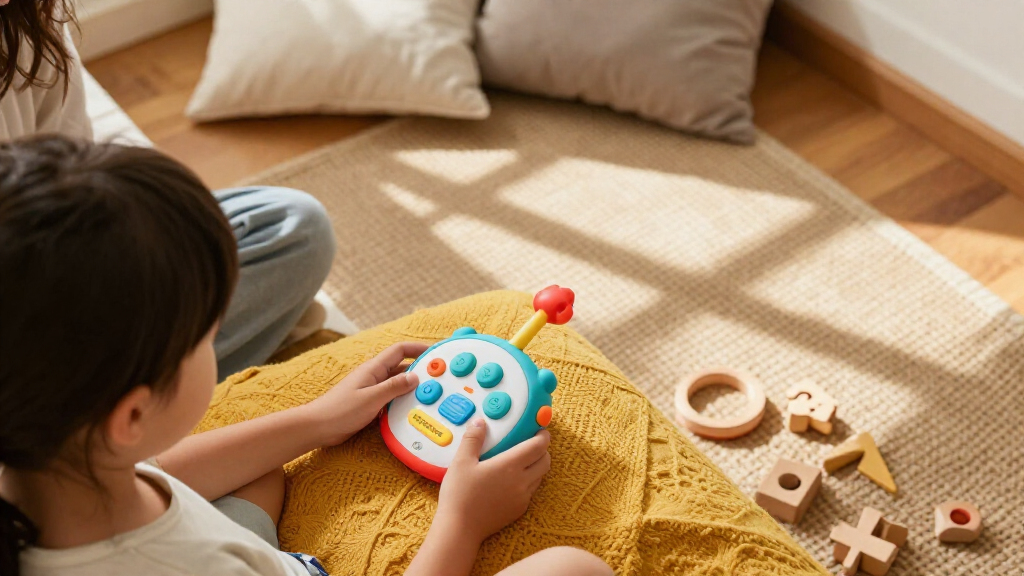

The best kids audio players balance simple controls and child-friendly content with the level of parental oversight your family wants. My best overall pick is the Yoto Mini (2024 Edition) Portable Kids Audio Player, which gives young listeners a straightforward, screen-light way to play audio; the Toniebox 2 stands out for tactile character-based listening, while the Mighty 3 suits families who want offline music without a screen. The main tradeoff is between curated, easy-to-manage content and more flexible players that offer Wi-Fi, apps, or broader audio access. Screen-free designs tend to simplify independent use, while touchscreen MP3 players can do more but may need closer setup and supervision. Read on for the full breakdown, including which options fit different ages, routines, and content preferences.

Turn the school run and nap time into listening time
- Thousands of audiobooks, podcasts and originals
- Listen on your phone, tablet or Echo — also offline
- Cancel anytime
Complete the kit


Key Takeaways
- The Yoto Mini 2024 Portable Player is the strongest all-around fit for families who want portable, child-oriented listening without relying on an open app interface.
- Yoto and Toniebox models put physical interaction first; cards or figures make playback intuitive, though their content ecosystems shape what children can hear.
- The Mighty 3 is the clearest screen-free offline choice in this lineup, while Wi-Fi and Android touchscreen models offer wider functions at the cost of more setup and oversight.
- Bundled starter sets can reduce setup work, but buyers should compare included content with what the child will actually enjoy before choosing a bundle over a standalone player.
- Parental controls and app access vary more than the product names suggest; check whether a model supports the family’s preferred services, offline playback, and the desired limits on browsing.
| MP3 Player for Kids with Spotify, Parental Controls, Amazon Music, Audible |  | Best for App Variety and Parental Controls | Operating system: Android 14 | Storage: 80GB listed, including an extra 64GB memory card | Screen size: 4 inches | VIEW LATEST PRICE | See Our Full Breakdown |
| Yoto Mini (2024 Edition) + Starter Pack for Little Kids Bundle |  | Best Starter Bundle for Young Kids | Model: Yoto Mini (2024 Edition) | Included items: Yoto Mini, Starter Pack, USB-C charge cable, Welcome Card | Display: Pixel display | VIEW LATEST PRICE | See Our Full Breakdown |
| Yoto Mini (2024 Edition) Portable Kids Audio Player |  | Best Compact Screen-Free Player | Age range: 3–12 years | Battery life: Up to 14 hours | Weight: 0.28 kg | VIEW LATEST PRICE | See Our Full Breakdown |
| LeapFrog Let’s Record! Music Player, Teal |  | Best for Toddlers and First-Time Listening | Age range: 18 months and up | Included songs: 40 | Audio recording: Up to 30 minutes total | VIEW LATEST PRICE | See Our Full Breakdown |
| Globluum YU3 Kids MP3 Player with Parental Controls, 16GB, 4-inch Touchscreen, Pearl Blue |  | Best Lightweight Touchscreen Pick | Storage: 16GB | RAM: 2GB | Screen: 4-inch touchscreen, 800 × 480 resolution | VIEW LATEST PRICE | See Our Full Breakdown |
| Kids’ MP3 Player with Parental Controls, 16GB Storage, and Bluetooth 5.0 |  | Best for Parental App Controls | Storage: 16GB | RAM: 2GB | Screen: 4-inch touchscreen, 800 × 480 resolution | VIEW LATEST PRICE | See Our Full Breakdown |
| Globluum YU5 MP3 Player with Bluetooth and WiFi, Spotify Compatible, 32GB, 4″ Touchscreen, Android 14 |  | Best for Streaming-App Flexibility | Storage: 32GB | RAM: 3GB | Operating system: Android 14 | VIEW LATEST PRICE | See Our Full Breakdown |
| Yoto Mini 4th Gen Portable Kids Audio Player |  | Best Screen-Free Player | Recommended age: 3 years and up | Dimensions: 3 × 2.1 × 3.1 inches | Weight: 0.2 kg | VIEW LATEST PRICE | See Our Full Breakdown |
| Mighty 3 Screen-Free Offline Music Player, Blue |  | Best for Screen-Free Playlist Listening | Storage: 8GB; stores 1,000+ songs | Display: None | Battery life: Up to 8 hours | VIEW LATEST PRICE | See Our Full Breakdown |
| Amazon Echo Pop Kids Smart Speaker with Alexa, Disney Princess Design |  | Best for Shared Listening and Routines | Dimensions: 4.0 × 3.4 × 3.6 inches | Weight: 10.3 ounces | Speaker: 1.95-inch front-firing speaker | VIEW LATEST PRICE | See Our Full Breakdown |
| ZAQE M505 Pro Android MP3/MP4 Player with Bluetooth, WiFi, and 4″ Touch Screen (Black, 16GB) |  | Best for Older Kids Who Want Streaming | Operating system: Android 10 | Screen: 4.02-inch touchscreen; listed as 1080P HD | Storage: 16GB in the title; description also mentions 64GB | VIEW LATEST PRICE | See Our Full Breakdown |
| Toniebox 2 Audio Player Starter Set for Kids, Cloud Pink |  | Best Overall for Young Children | Brand and model: Tonies Toniebox 2 | Recommended age: 1–9+ years | Color: Cloud Pink | VIEW LATEST PRICE | See Our Full Breakdown |
| Toniebox Lite Audio Player – My Story Starter Set |  | Best for Custom Stories on the Go | Brand and model: Tonies Toniebox Lite | Age range: 1–12+ years | Dimensions: 4.72 x 6.93 x 5.16 inches | VIEW LATEST PRICE | See Our Full Breakdown |
| Kids MP3 Player with Spotify, Parental Controls, Amazon Music, No Browser |  | Best for App Limits and Parental Controls | Operating system: Android 14 | Screen: 4 inches | Storage: 16GB | VIEW LATEST PRICE | See Our Full Breakdown |
| RUIZU 32GB Cute Panda MP3 Player for Kids with Bluetooth 5.3 and Built-in Speaker |  | Best Compact Player for Offline Listening | Storage: 32GB internal; expandable up to 128GB by microSD | Screen: 1.3-inch LCD | Connectivity: Bluetooth 5.3 and 3.5mm headphone jack | VIEW LATEST PRICE | See Our Full Breakdown |
| kids audio player | Connectivity | Weight | Storage | Battery life |
|---|---|---|---|---|
| MP3 Player for Kids with Spoti | Bluetooth 5.0; dual-band 2.4GHz and 5GHz Wi-Fi; USB | 140 g | 80GB listed, including an extra 64GB memory card | Up to 50 hours |
| Yoto Mini | Bluetooth | 160 g | — | Up to 14 hours |
| Yoto Mini | Wi-Fi via app | 0.28 kg | — | Up to 14 hours |
| LeapFrog Let’s Record! Music P | Bluetooth | — | — | — |
| Globluum YU3 Kids MP3 Player w | Bluetooth 5.0, Wi-Fi, USB-C, auxiliary | 98 g | 16GB | — |
| Kids’ MP3 Player with Parental | Bluetooth 5.0, Wi-Fi, USB, and Aux | 3.46 ounces | 16GB | — |
| Globluum YU5 MP3 Player with B | Bluetooth 5.0, dual-band Wi-Fi, USB, and Aux | 3.46 ounces | 32GB | Up to 25 hours |
| Yoto Mini 4th Gen Portable Kid | — | 0.2 kg | — | Up to 16 hours |
| Mighty 3 Screen-Free Offline M | Bluetooth and 3.5 mm headphone jack | 20 g | 8GB; stores 1,000+ songs | Up to 8 hours |
| Amazon Echo Pop Kids Smart Spe | — | 10.3 ounces | — | — |
| ZAQE M505 Pro Android MP3/MP4 | Bluetooth and dual-band Wi-Fi | 125g | 16GB in the title; description also mentions 64GB | — |
| Toniebox 2 Audio Player Starte | Wi-Fi required for initial setup | — | — | — |
| Toniebox Lite Audio Player | Wi-Fi required for setup | 0.45kg | — | — |
| Kids MP3 Player with Spotify | Wi-Fi and Bluetooth | 140g | 16GB | Up to 50 hours |
| RUIZU 32GB Cute Panda MP3 Play | Bluetooth 5.3 and 3.5mm headphone jack | 53g | 32GB internal; expandable up to 128GB by microSD | Up to 100 hours |
More Details on Our Top Picks
MP3 Player for Kids with Spotify, Parental Controls, Amazon Music, Audible
The Luoran M4Pro is the strongest fit for families who want streaming apps and hands-on limits in one device. Spotify, Amazon Music, Audible, Libby, and Apple Music give it a broader app mix than the Yoto Mini, whose card-based library is simpler but more closed. Parents can set a passcode, block apps, restrict Wi-Fi or Bluetooth, and apply daily limits to individual apps, which helps shape a general-purpose Android player into a more child-focused one. Its 80GB of listed storage includes an extra 64GB memory card, and the supplied case and wired earphones help get it ready for travel. The tradeoff is more setup and screen exposure than a screen-free player, and streaming features depend on Wi-Fi and app access.
Pros:- Supports several streaming and audiobook apps, including Spotify, Audible, Libby, and Apple Music
- Parental controls can block apps, restrict connectivity, and set app-specific daily limits
- Includes an extra 64GB memory card, protective case, and wired earphones
- Lists up to 50 hours of battery life
Cons:- Android apps and touchscreen access require more setup and supervision than the Yoto Mini
- Streaming and app downloads depend on Wi-Fi, while offline use requires downloaded content
- A 4-inch screen may be less suitable for parents seeking an entirely screen-free audio routine
Best for: Parents who want several music and audiobook apps, offline downloads, and controls over app access and listening time.
Not ideal for: Families seeking a simple screen-free player for preschoolers or those who prefer a closed, card-operated content system.
- Operating system:Android 14
- Storage:80GB listed, including an extra 64GB memory card
- Screen size:4 inches
- Connectivity:Bluetooth 5.0; dual-band 2.4GHz and 5GHz Wi-Fi; USB
- Battery life:Up to 50 hours
- Supported audio formats:MP3, WAV, FLAC, APE, OGG, M4A, AAC, WMA, MP2
- Weight:140 g
- Included accessories:64GB memory card, silicone case, USB-C cable, wired earphones, user manual
Our verdict“Choose the Luoran M4Pro if app choice and granular parental controls matter more than a screen-free, card-based experience.”
Yoto Mini (2024 Edition) + Starter Pack for Little Kids Bundle
This Yoto Mini bundle suits families who want a child to start listening without managing a touchscreen or a collection of separate accessories. The physical audio cards make playback more direct than on the app-led Luoran M4Pro, while the starter pack supplies content to begin with. Its screen-free, ad-free format and lack of cameras or microphones also make it a calmer choice for parents wary of general-purpose devices. Beyond stories and music, it can act as a bedtime storyteller, alarm clock, or Bluetooth speaker, so it has uses beyond the initial pack. The main compromise is the proprietary card ecosystem: adding content typically means getting more cards, unlike an Android player that can use a wider range of apps. Battery life is up to 14 hours, shorter than the listed endurance of the M4Pro.
Pros:- Physical audio cards make playback straightforward for young children
- Screen-free design has no cameras, microphones, or ads
- Starter pack provides content to begin using the player
- Also works as an alarm clock, bedtime storyteller, and Bluetooth speaker
Cons:- Expanding the library depends largely on the Yoto card format
- Up to 14 hours of battery life is less than the listed battery life of the Luoran M4Pro
- Audio-only playback does not suit families looking for video or general-purpose apps
Best for: Parents of young children who want an easy-to-operate, screen-free player with starter content included.
Not ideal for: Families who want broad streaming-app access, a large offline music collection, or a player that avoids a proprietary card library.
- Model:Yoto Mini (2024 Edition)
- Included items:Yoto Mini, Starter Pack, USB-C charge cable, Welcome Card
- Display:Pixel display
- Playback format:Audio cards; MP3 supported
- Battery life:Up to 14 hours
- Connectivity:Bluetooth
- Weight:160 g
- Dimensions:1.57 × 2.76 × 2.76 inches
- Warranty:1 year
Our verdict“Pick this bundle for a young child who benefits from simple card controls and included starter content, not app flexibility.”
Yoto Mini (2024 Edition) Portable Kids Audio Player
The standalone Yoto Mini is a better match than the starter bundle for families who already know they want the Yoto format or have cards to use. Its physical-card controls put a young listener in charge without giving them an app-filled touchscreen, while the pixel display, sleep sounds, and OK-to-wake clock add useful bedtime routines. Compared with the LeapFrog Let’s Record! Music Player, this model is less focused on built-in songs and voice recording; its strength is a broader card-based library and a more adaptable storytelling setup. The listed library exceeds 1,000 audio cards, but access depends on the Yoto ecosystem or app connectivity. That makes it less open-ended than the Luoran M4Pro, and the provided details do not include the starter pack supplied with the bundle version.
Pros:- Physical cards let children control playback without navigating a touchscreen
- Screen-free design omits cameras and microphones
- Sleep sounds and an OK-to-wake clock support bedtime routines
- Listed library includes more than 1,000 audio cards
Cons:- Content access relies on Yoto cards or app connectivity
- The proprietary library is less open-ended than the apps on the Luoran M4Pro
- Unlike the bundle listing, this product description does not specify included starter cards
Best for: Families with existing Yoto cards or parents choosing a compact, screen-free player for stories, sleep sounds, and daily routines.
Not ideal for: Buyers who want a large set of included content, open app access, or recording features built into the player.
- Age range:3–12 years
- Battery life:Up to 14 hours
- Weight:0.28 kg
- Dimensions:2.05 × 2.76 × 2.76 inches
- Power source:Lithium-ion battery included
- Connectivity:Wi-Fi via app
- Content library:More than 1,000 audio cards
- Additional features:Pixel display, OK-to-wake clock, sleep sounds, headphone jack
Our verdict“Choose the standalone Yoto Mini if you want a small, screen-free card player and do not need the bundle’s stated starter pack.”
LeapFrog Let’s Record! Music Player, Teal
For a toddler’s first audio player, the LeapFrog Let’s Record! favors tactile buttons and familiar built-in material over the app menus found on the Luoran M4Pro. Its 40 songs span learning, sing-along, active, lullaby, and classical selections, giving little listeners variety before a parent adds anything. The standout is its ability to record up to 30 minutes of audio, which can turn a family member’s voice into something a child can replay. Adults can also stream music or soundscapes over Bluetooth. Compared with the Yoto Mini, it is less dependent on buying into a card library, but it does not offer the same sleep and clock functions or stated multi-hour rechargeable battery. Four AA batteries are required for regular use, so ongoing battery changes are part of the routine.
Pros:- Includes 40 songs across learning, sing-along, active, lullaby, and classical categories
- Records up to 30 minutes of audio for replayable voices and sounds
- Bluetooth lets adults stream music and soundscapes
- Designed for children from 18 months
Cons:- Requires four AA batteries for regular use
- Has less expandable content than the Yoto Mini’s card library
- No battery-life figure or rechargeable power option is specified
Best for: Parents of children 18 months and older who want simple buttons, built-in songs, and the option to record familiar voices.
Not ideal for: Families who need rechargeable portability, long battery life, or a large expandable story library for travel.
- Age range:18 months and up
- Included songs:40
- Audio recording:Up to 30 minutes total
- Connectivity:Bluetooth
- Power source:Four AA batteries
- Color:Teal
- Included components:Music player, quick start guide
- Model number:80-615500
Our verdict“Pick the LeapFrog for a toddler who needs simple controls and built-in songs more than a rechargeable, expandable library.”
Globluum YU3 Kids MP3 Player with Parental Controls, 16GB, 4-inch Touchscreen, Pearl Blue
The Globluum YU3 is the lighter touchscreen alternative for families who want familiar apps without carrying a bulkier player. At 98g, it is notably lighter than the 140g Luoran M4Pro, while still offering a 4-inch display, Wi-Fi, Bluetooth 5.0, and a protective case. Preloaded Spotify Kids and YouTube Music, plus Audible support, make it easier to build a listening setup around services a family already uses. Its 25-hour stated battery life also exceeds the Yoto Mini’s 14-hour figure, though the Yoto trades app access for a simpler screen-free experience. The YU3 has only 16GB of storage and 2GB of RAM, so it is less suited to a large offline library or demanding apps. Video playback is available, but the product description notes that demanding video apps may cause heat.
Pros:- Lightweight 98g design is easier for children to carry than the Luoran M4Pro
- Includes Spotify Kids and YouTube Music, with Audible support
- Lists up to 25 hours of battery life
- Protective case and wired earphones are included
Cons:- 16GB of storage is less than the Luoran M4Pro’s listed 80GB
- Demanding video apps may cause the device to heat up
- Touchscreen and app access are less suited to families seeking a screen-free experience like the Yoto Mini
Best for: Families seeking a lightweight touchscreen player for Spotify Kids, YouTube Music, audiobooks, and occasional video.
Not ideal for: Parents who want a screen-free device, extensive onboard storage, or a player focused solely on audio with no video-app concerns.
- Storage:16GB
- RAM:2GB
- Screen:4-inch touchscreen, 800 × 480 resolution
- Battery:Up to 25 hours; 1,750 mAh
- Weight:98 g
- Dimensions:4.65 × 2.44 × 0.43 inches
- Connectivity:Bluetooth 5.0, Wi-Fi, USB-C, auxiliary
- Supported media:MP4, AVI, MKV, AAC, MP3
- Included accessories:3.5mm wired earphones, protective case, USB-C cable, user manual
Our verdict“Choose the YU3 if low weight and familiar music apps matter more than large storage or screen-free operation.”
Kids’ MP3 Player with Parental Controls, 16GB Storage, and Bluetooth 5.0
This Globluum SU5 suits families who want a small Android-style player but need more say over which apps a child can access. Its parental controls, Wi-Fi, and support for music and audiobook apps offer more flexibility than card-based players such as the Yoto Mini 4th Gen, though that flexibility also brings a touchscreen and app management into the mix. At 3.46 ounces, it is easy to carry, and the included case adds a layer of protection. The 25-hour battery claim is longer than the Yoto Mini’s stated 16 hours, which may mean fewer charging stops. The tradeoff is a modest 16GB of storage for apps and media, plus a 800 × 480 display that cannot show supported high-resolution video at its full resolution.
Pros:- Parental controls let adults manage and restrict app access.
- Supports music and audiobook apps, along with Wi-Fi and Bluetooth.
- Lightweight body includes a protective case.
- Stated battery life of up to 25 hours exceeds the Yoto Mini 4th Gen’s 16-hour claim.
Cons:- 16GB must cover both apps and stored media, limiting space for a large library.
- The 800 × 480 display cannot show video files supported up to 1080p at their full resolution.
Best for: Parents who want app-based music and audiobooks with controls over what their child can access, in a lightweight player.
Not ideal for: Families seeking a truly screen-free, card-operated player or children who need room for a large offline media and app library.
- Storage:16GB
- RAM:2GB
- Screen:4-inch touchscreen, 800 × 480 resolution
- Connectivity:Bluetooth 5.0, Wi-Fi, USB, and Aux
- Battery:1750 mAh; up to 25 hours of playback
- Weight:3.46 ounces
- Dimensions:0.43 × 2.44 × 4.65 inches
- Included accessories:Wired earphones, protective case, Type-C charging cable, and user manual
Our verdict“Choose the SU5 if app choice and parental controls matter more than a screen-free experience or generous storage.”
Globluum YU5 MP3 Player with Bluetooth and WiFi, Spotify Compatible, 32GB, 4″ Touchscreen, Android 14
The Globluum YU5 is the more capable app-based option in this group: it pairs Android 14 and 3GB RAM with preloaded Spotify, YouTube Music, and audiobook apps. That makes it a better fit than the 16GB Globluum SU5 for families wanting more room for downloaded media and more responsive app use, while both remain touchscreen devices rather than screen-free players. Dual-band Wi-Fi supports streaming, and FLAC and APE playback gives audio-focused listeners format options that the Mighty 3’s service-based offline approach does not emphasize. The YU5’s 32GB is still finite, so large offline collections may call for storage management or a microSD card. Its LCD also lacks the contrast and color accuracy of an AMOLED screen, and its app-rich design may be more than a child needs.
Pros:- Preloaded Spotify, YouTube Music, and audiobook apps support varied listening.
- 32GB storage and 3GB RAM offer more headroom than the 16GB Globluum SU5.
- Dual-band Wi-Fi supports streaming, while Bluetooth 5.0 allows wireless listening.
- Supports lossless formats including FLAC and APE.
Cons:- The touchscreen and Android apps are less simple and screen-free than the Yoto Mini 4th Gen.
- 32GB can fill with offline media, so larger libraries may require storage management or microSD expansion.
- LCD technology may have lower contrast and less accurate color than AMOLED.
Best for: Families who want a child-sized player for Spotify, YouTube Music, audiobooks, and downloaded audio, with more storage than a 16GB model.
Not ideal for: Parents seeking a screen-free device, a simple card-based interface, or a player with a display specified as AMOLED.
- Storage:32GB
- RAM:3GB
- Operating system:Android 14
- Screen:4-inch LCD touchscreen
- Connectivity:Bluetooth 5.0, dual-band Wi-Fi, USB, and Aux
- Supported audio formats:AAC, FLAC, and APE
- Battery life:Up to 25 hours
- Weight:3.46 ounces
Our verdict“Pick the YU5 for a flexible streaming-and-audiobook player with more storage than the SU5, but skip it if you want screen-free simplicity.”
Yoto Mini 4th Gen Portable Kids Audio Player
The Yoto Mini 4th Gen is the clearest choice here for parents who want children to choose audio without browsing a touchscreen. Kids use Yoto Cards and built-in controls, while adults can set volume limits, routines, and clock cues. That makes it simpler to hand over than the app-based Globluum YU5, but it also ties card-based listening to compatible Yoto content rather than general-purpose music apps. Its over 1,000 hours of audio storage and resistance to water and dust suit trips and everyday handling; the 16-hour battery claim is shorter than either Globluum model’s stated 25 hours. The included Make Your Own Card adds a route for custom audio, though some interactive features are not yet supported on this generation.
Pros:- Screen-free playback uses Yoto Cards and simple built-in controls.
- Parents can set routines, volume limits, and clock cues.
- Over 1,000 hours of audio storage supports a substantial listening library.
- Water- and dust-resistant design is suited to portable use.
Cons:- Card-based listening depends on compatible Yoto Cards, unlike the app access on the Globluum YU5.
- Up to 16 hours of battery life is shorter than the 25-hour claims for the Globluum players.
- Some interactive features are not yet supported on the 4th Gen model.
Best for: Parents of children aged three and up who want screen-free, child-operated listening with routines and volume limits.
Not ideal for: Families who want Spotify or other general-purpose apps, or who prefer not to use compatible Yoto Cards for card-based audio.
- Recommended age:3 years and up
- Dimensions:3 × 2.1 × 3.1 inches
- Weight:0.2 kg
- Battery life:Up to 16 hours
- Audio storage:Over 1,000 hours
- Water and dust resistance:Resistant
- Included components:Digital Journey Jams Yoto Card, Make Your Own Card, USB-C cable, player, and stickers
- Warranty:12 months
Our verdict“Choose the Yoto Mini if screen-free controls and parent-set routines matter more than app access and longer stated battery life.”
Mighty 3 Screen-Free Offline Music Player, Blue
The Mighty 3 strips playback down to stored playlists, podcasts, and audiobooks: there is no display, and syncing happens through its mobile app before a child leaves home. That makes it a better fit for families with an existing Amazon Music library than the Yoto Mini 4th Gen, which centers listening on cards and routines. It is also far smaller and lighter than the Globluum touchscreen players at just 20 grams. The compromises are practical: battery life is up to eight hours, and Amazon Music Prime or Unlimited is required. Wi-Fi is needed to sync, and the stated Spotify support ends April 21, 2027, so I would not choose it around Spotify as a long-term plan. IPX4 helps with splashes, not swimming.
Pros:- Screen-free offline playback avoids handing a child a phone.
- Bluetooth and a 3.5 mm jack support wireless or wired listening.
- At 20 grams, it is much lighter than the Globluum touchscreen players.
- Drop-resistant construction and IPX4 water resistance suit everyday bumps and splashes.
Cons:- Amazon Music Prime or Unlimited is required, and Wi-Fi is needed to sync.
- Up to eight hours of battery life is shorter than the Yoto Mini 4th Gen and Globluum models.
- Spotify support is scheduled to end April 21, 2027; IPX4 does not make it suitable for swimming.
Best for: Families with Amazon Music Prime or Unlimited who want a very small, screen-free player for synced offline playlists and audiobooks.
Not ideal for: Children who need a long-lasting battery, independent content selection, or a player that works without a required music service and prior syncing.
- Storage:8GB; stores 1,000+ songs
- Display:None
- Battery life:Up to 8 hours
- Offline playback:Up to 30 days after syncing
- Connectivity:Bluetooth and 3.5 mm headphone jack
- Water resistance:IPX4
- Weight:20 g
- Compatible services:Amazon Music Prime and Unlimited; Spotify support ends April 21, 2027
Our verdict“Choose the Mighty 3 for compact, synced Amazon Music listening, but not if you need longer battery life or lasting Spotify support.”
Amazon Echo Pop Kids Smart Speaker with Alexa, Disney Princess Design
The Echo Pop Kids is the only speaker in this group, so it makes more sense for a bedroom or shared family space than for a child who needs personal, portable listening. Alexa adds kid-focused stories, games, learning, and routines, while the Parent Dashboard and microphone-off button give adults tools the screen-free Mighty 3 does not provide. Bedtime playlists and alarms are useful at home, but this is not an offline player to pack for a trip: it relies on Wi-Fi for its smart features and weighs 10.3 ounces, far more than the 20-gram Mighty 3. Its Disney Princess design and two-year replacement guarantee may appeal to families seeking a themed bedside device. Skip it if headphones, independent listening, or travel portability are the priority.
Pros:- Interactive stories, games, and learning features provide more than music playback.
- Supports bedtime playlists, reminders, alarms, and routines.
- Parent Dashboard controls and a microphone-off button add adult oversight.
- Compact speaker design includes a Disney Princess theme and a two-year replacement guarantee.
Cons:- As a Wi-Fi smart speaker, it is less suitable for portable offline listening than the Mighty 3.
- At 10.3 ounces, it is much heavier than the 20-gram Mighty 3.
- Does not support ad-hoc or peer-to-peer Wi-Fi networks.
Best for: Families looking for a kid-focused bedroom speaker with Alexa stories, learning activities, bedtime routines, and parent monitoring.
Not ideal for: Parents seeking a portable offline audio player for car rides or independent headphone listening away from home.
- Dimensions:4.0 × 3.4 × 3.6 inches
- Weight:10.3 ounces
- Speaker:1.95-inch front-firing speaker
- Wi-Fi:Dual-band 802.11a/b/g/n/ac, 2.4 and 5 GHz
- Bluetooth:A2DP audio streaming and AVRCP voice control
- Privacy controls:Microphone-off button and parental monitoring through Amazon Kids Parent Dashboard
- Smart home compatibility:Wi-Fi, Bluetooth Low Energy Mesh, and Matter
- Guarantee:Two-year worry-free replacement guarantee
Our verdict“Choose the Echo Pop Kids for supervised, shared listening and routines at home, not for a child’s travel or offline player.”
ZAQE M505 Pro Android MP3/MP4 Player with Bluetooth, WiFi, and 4″ Touch Screen (Black, 16GB)
The ZAQE M505 Pro suits older children who want an all-purpose Android player rather than a simple, screen-free story device. Its Google Play access, Wi-Fi, and Bluetooth let families use streaming apps and wireless headphones, while the 4-inch touchscreen also supports video. That flexibility sets it apart from the Toniebox 2, whose physical controls and screen-free design are easier for younger children but offer a narrower listening experience. The tradeoff is more setup and more parental oversight: this is a general-purpose Android device, not a dedicated kids’ audio system. Storage details are also inconsistent—the title says 16GB, while the description mentions 64GB—and the stated battery-life figure does not clarify playback time per charge. I’d verify capacity before choosing it for a large offline library.
Pros:- Android 10 and Google Play access support streaming apps alongside local files.
- Wi-Fi and Bluetooth allow online listening and wireless headphone connections.
- Supports many audio formats, including FLAC and APE, plus video playback.
- FM radio, voice recorder, and e-book reader add uses beyond music.
Cons:- The listing conflicts on storage capacity, stating 16GB in the title and 64GB elsewhere.
- The battery-life description does not give a usable playback-hours figure.
- A touchscreen and app access require more supervision than the Toniebox 2’s physical controls.
Best for: Families with older children who can manage a touchscreen and want streaming apps, video, and offline music on one device.
Not ideal for: Parents seeking a screen-free player for toddlers or a clearly specified, high-capacity offline music device.
- Operating system:Android 10
- Screen:4.02-inch touchscreen; listed as 1080P HD
- Storage:16GB in the title; description also mentions 64GB
- Connectivity:Bluetooth and dual-band Wi-Fi
- Audio formats:MP3, OGG, FLAC, AAC, WAV, WMA, APE
- Video formats:RMVB, MP4, MKV, FLV
- Weight:125g
- Included accessories:Wired headphones, Type-C data cable, user manual
Our verdict“Choose the ZAQE M505 Pro for an older child who wants Android streaming and video, but verify storage and plan for more screen supervision than with a Toniebox 2.”
Toniebox 2 Audio Player Starter Set for Kids, Cloud Pink
The Toniebox 2 Starter Set is the clearest fit here for young children who need a player they can operate without reading menus. Pressing the ears adjusts volume, and tapping the sides changes tracks; the included Playtime Puppy Tonie gives the set a ready-to-use starting point. Unlike the app-driven ZAQE M505 Pro, this is screen-free and focused on child-friendly listening rather than streaming and video. Sleep features, including a timer and sunrise alarm, add usefulness around bedtime. The tradeoff is a more closed content setup: additional Tonies and the Tonieplay controller are separate, and Wi-Fi is needed for initial setup. The included charging cable is short, and no power adapter is supplied, so families may need charging accessories beyond what comes in the box.
Pros:- Physical ear and side controls are easy for young children to learn.
- Screen-free playback avoids app menus and video distractions.
- Includes a Playtime Puppy Tonie to start listening.
- Sleep timer and sunrise alarm support bedtime routines.
Cons:- Wi-Fi is required for initial setup.
- Power adapter and longer charging cable are not included.
- More Tonies and the Tonieplay controller must be obtained separately.
Best for: Parents of toddlers and early elementary-age children who want simple, screen-free controls and a dedicated bedtime or story player.
Not ideal for: Families who want open access to streaming apps, a large local music library, or a complete charging setup in the box.
- Brand and model:Tonies Toniebox 2
- Recommended age:1–9+ years
- Color:Cloud Pink
- Screen:Screen-free
- Controls:Press ears to adjust volume; tap sides to change tracks
- Connectivity:Wi-Fi required for initial setup
- Included:Toniebox 2, Playtime Puppy Tonie, 8.6-inch USB-C charging cable
- Warranty:100-day Happiness Guarantee
Our verdict“Pick the Toniebox 2 for a young child who needs independent, screen-free listening, and choose an Android player instead if streaming access matters more.”
Toniebox Lite Audio Player – My Story Starter Set
The Toniebox Lite My Story Starter Set is a travel-friendly choice for families who want to add their own recordings, not just play a fixed library. The included Rubie Creative Tonie comes with a 25-minute story and supports up to 90 minutes of custom audio through the companion app, making it more personal than the Toniebox 2’s included Playtime Puppy set. Its screen-free ear squeezes and side taps also suit children who are not ready for touchscreen menus. The tradeoff is that this remains part of the Tonie ecosystem: Wi-Fi is needed for setup and content management, and extra characters are sold separately. It is compact, but its 0.45kg weight is not especially light beside the 53g RUIZU panda player, which is easier to carry in a small bag.
Pros:- Creative Tonie supports up to 90 minutes of custom audio.
- The included Rubie Creative Tonie comes with a 25-minute story.
- Screen-free physical controls work well for children still learning to use devices.
- Compact dimensions suit packing for trips and sleepovers.
Cons:- Wi-Fi is required for setup and managing custom content.
- Power adapter and charging cable are sold separately.
- Additional Tonie characters are separate, and the player is heavier than the RUIZU panda model.
Best for: Families who travel with young children and want to record or load familiar stories for screen-free listening.
Not ideal for: Buyers who want a very lightweight pocket player, a large conventional music collection, or charging accessories included.
- Brand and model:Tonies Toniebox Lite
- Age range:1–12+ years
- Dimensions:4.72 x 6.93 x 5.16 inches
- Weight:0.45kg
- Included:Toniebox Lite and Rubie Creative Tonie
- Custom audio capacity:Up to 90 minutes
- Connectivity:Wi-Fi required for setup
- Battery:Lithium-ion battery included
Our verdict“Choose the Toniebox Lite if personal recordings and screen-free travel listening matter more than pocket-light weight or open music playback.”
Kids MP3 Player with Spotify, Parental Controls, Amazon Music, No Browser
This Android 14 player is the strongest fit for families who want streaming apps but also need controls over how a child uses them. Parents can set a passcode, block or remove apps, limit Wi-Fi and Bluetooth, and set daily app limits; the no-browser design further narrows access compared with the ZAQE M505 Pro. That makes it a more deliberate pre-phone option than a standard Android player, though it still has a touchscreen and app store rather than the simple physical interaction of the Toniebox 2. The 16GB storage suits a modest offline collection, and the listing claims up to 50 hours of battery life. One caveat: the description names Spotify, Spotify Kids, and Amazon Music, but app availability can depend on the device’s app store and setup. Families should confirm the apps they rely on before purchase.
Pros:- Parental controls can block apps and set daily limits for individual apps.
- Wi-Fi and Bluetooth can be limited, and the device has no browser.
- Android 14 and an app store support compatible music and audiobook apps.
- The listing states up to 50 hours of battery life.
Cons:- The 4-inch touchscreen and app store still require parental setup and oversight.
- The 16GB storage may constrain large offline music or audiobook libraries.
- Listed app availability may depend on compatibility and app-store access.
Best for: Parents of school-age children who want music streaming with app blocking, daily limits, and restricted internet access.
Not ideal for: Families seeking a screen-free player, a very young child’s first audio device, or a clearly documented app ecosystem without setup checks.
- Operating system:Android 14
- Screen:4 inches
- Storage:16GB
- Connectivity:Wi-Fi and Bluetooth
- Parental controls:Passcode, app blocking or removal, per-app daily limits, and limits on Wi-Fi and Bluetooth
- Browser:No browser listed
- Battery life:Up to 50 hours
- Weight:140g
Our verdict“Choose this player for a child ready for streaming under firm app limits; choose the Toniebox 2 for younger kids who need screen-free simplicity.”
RUIZU 32GB Cute Panda MP3 Player for Kids with Bluetooth 5.3 and Built-in Speaker
The RUIZU panda MP3 player is the most compact, straightforward pick in this group for children who mainly need stored music and simple extras. At 53g, it is far easier to carry than the touchscreen ZAQE M505 Pro, and its 32GB storage with microSD expansion gives an offline library more room than the ZAQE’s stated 16GB variant. A volume limit, built-in speaker, Bluetooth 5.3, and claimed battery life of up to 100 hours make it practical for outings without depending on Wi-Fi or a streaming account. The tradeoff is a small 1.3-inch display, which can make browsing tracks fiddly, and there is no video or app-based streaming. Compared with the Toniebox Lite, it offers broader conventional music playback but gives up the Tonie’s child-oriented story controls and custom-content approach.
Pros:- Light 53g design is easy for children to carry.
- 32GB internal storage can expand by up to 128GB with a microSD card.
- Volume limit and built-in speaker support flexible everyday listening.
- Claims up to 100 hours of battery life and includes FM radio and a voice recorder.
Cons:- The 1.3-inch screen can make browsing and selecting tracks difficult.
- No video playback or streaming apps are listed.
- Plastic construction may be less robust than a more protective player design.
Best for: Families wanting a lightweight, offline music player with expandable storage, a volume limit, and a built-in speaker.
Not ideal for: Children who need large, easy-to-read controls, access to streaming apps, or a dedicated screen-free story system.
- Storage:32GB internal; expandable up to 128GB by microSD
- Screen:1.3-inch LCD
- Connectivity:Bluetooth 5.3 and 3.5mm headphone jack
- Battery life:Up to 100 hours
- Weight:53g
- Dimensions:3.7 x 2 x 0.6 inches
- Audio formats:MP3, WMA, APE, FLAC, WAV, M4A, DRM, ACELP, OGG
- Features:Volume limit, FM radio, voice recorder, pedometer, alarm clock, stopwatch, equalizer
Our verdict“Pick the RUIZU for a child who wants portable offline music and long battery life, but choose a Toniebox if story-based, screen-free controls are the priority.”
How We Picked
I ranked these players by how well they address the practical needs behind the search: easy independent operation, suitable ways to access content, parental oversight, portability, and usefulness across everyday routines. I also weighed build and interaction style, from physical cards and figures to buttons and touchscreens, because the way a child starts and changes audio can matter as much as the feature list. A child-friendly interface and a clear listening purpose counted more than having the most apps or the largest specification sheet.
The ranking favors options with a focused, understandable role and fewer barriers between a child and listening. Yoto Mini, Toniebox, and Mighty rank well for families seeking dedicated audio experiences, while touchscreen Android players move down the list because their flexibility can bring added setup and supervision. Within similar product families, I distinguish standalone players from bundles and newer or differently configured models rather than treating their names as interchangeable. I also account for meaningful drawbacks: content ecosystem limits, reliance on connectivity or setup, and whether a device is suited to shared-room listening or personal use.
| kids audio player | Battery life |
|---|---|
| MP3 Player for Kids with Spoti | Up to 50 hours |
| Yoto Mini | Up to 14 hours |
| Yoto Mini | Up to 14 hours |
| LeapFrog Let’s Record! Music P | — |
| Globluum YU3 Kids MP3 Player w | — |
| Kids’ MP3 Player with Parental | — |
| Globluum YU5 MP3 Player with B | Up to 25 hours |
| Yoto Mini 4th Gen Portable Kid | Up to 16 hours |
| Mighty 3 Screen-Free Offline M | Up to 8 hours |
| Amazon Echo Pop Kids Smart Spe | — |
| ZAQE M505 Pro Android MP3/MP4 | — |
| Toniebox 2 Audio Player Starte | — |
| Toniebox Lite Audio Player | — |
| Kids MP3 Player with Spotify | Up to 50 hours |
| RUIZU 32GB Cute Panda MP3 Play | Up to 100 hours |
Factors to Consider When Choosing Best Kids Audio Players
Choosing a kids audio player is less about collecting features and more about deciding how your child will find and play audio day to day. Before buying, I would settle the content source, the amount of independence you want to allow, and whether the player needs to travel. These broader checks can prevent a capable device from becoming a frustrating one.
Choose the Content System Before the Hardware
Start with the audio your child already enjoys: stories, music, podcasts, or a mix. A card- or figure-based system can make choosing a story tangible, but it also ties the listening experience to that platform’s content library. A general MP3 player may accept personal files or connect to services, yet that flexibility can bring more account setup and parental decisions. Check whether the content your child wants can be played offline, not just streamed. Families often focus on the device and only later discover that adding or managing audio takes more work than expected. Pick the content route first, then choose the player that makes it easiest to use.
Match Independence to the Controls
Think about what your child should be able to do without help: start a favorite, change tracks, choose a story, or add new content. Physical controls and simple card or figure interactions can reduce the need to read menus, while a touchscreen may be more familiar to older children but offers more places to tap. Parental controls are only useful if they cover the activities you want to limit, so check settings for browsing, app access, purchases, and content changes. Do not assume that a device labeled for kids automatically blocks every unwanted feature. A useful test is to imagine handing the player to your child at bedtime or during a car ride and asking what they could access alone.
Decide How Much Screen Access Is Acceptable
Some families want audio without a visual interface, while others value a screen for browsing a library or using apps. Screen-free designs can keep the player’s purpose clear and make casual listening less tied to tapping through menus. Touchscreen models may support more services and formats, but that flexibility calls for more setup and ongoing supervision. Consider your child’s age, reading ability, and habits rather than treating a screen as automatically good or bad. A display can help an older child manage a collection, yet it can distract a younger one who only needs to press play. Set your household rule on screens before comparing extra features.
Plan for Listening Away From Home
Portability matters differently for a bedside player, a backpack companion, and a device used mostly in the living room. For travel, ask whether the player can store audio for offline use and whether its controls are manageable in a car or on a trip. Headphone compatibility matters for quiet listening, while a built-in speaker may be more convenient for shared stories or playtime. Check how the device is carried and handled, since a small player can be easier to pack but also easier to misplace. Families sometimes buy for home use and then discover that streaming depends on a connection they do not have on the go. Match the playback method to the places your child will actually listen.
Compare Bundles With the Content You Need
A starter bundle can make a new player easier to use immediately, but the included stories or accessories only add value if they suit your child. Standalone players may be a better fit when you already have compatible content or want to choose each title yourself. Look beyond the number of included items and check what is required to add more audio later. Some systems build the physical interaction around content accessories, while open-format players may require time spent transferring files or configuring apps. Account for setup effort as well as the device itself. The right bundle is the one that gives your child a useful first listening experience, not simply the fullest box.
Pay for Flexibility Only When You Will Use It
Wi-Fi, app access, Bluetooth, and larger storage can help, but each adds value only when it fits your household’s routine. If your child mainly replays a small set of stories, a focused player may be easier to manage than a device with many services. Families who want to use music platforms or personal files should confirm compatibility and parental settings before choosing a more flexible model. Extra features can also mean more decisions about accounts, connections, and available content. A common mistake is choosing the broadest feature set and then leaving most of it unused. Spend more attention on the functions you expect your child to use regularly than on features that merely sound versatile.
Frequently Asked Questions
Should I choose a Yoto or Toniebox player for a young child?
Choose by interaction style and the content system your child is more likely to enjoy. Yoto’s card-based approach makes changing audio feel like choosing a physical card, while Toniebox models use figures as part of the listening routine. Both differ from touchscreen MP3 players, which offer more menu-based control and can require more adult setup. Check which stories and music are available for the system and whether the child can manage its controls independently. If you are unsure, prioritize the format that makes choosing and replaying audio easiest for your child.
Can a kids audio player work without Wi-Fi?
Some players are designed around offline playback, while others use Wi-Fi for setup, streaming, or access to services. Before buying, check whether audio can be downloaded or stored on the device and whether the initial setup needs an internet connection. Offline playback is especially useful for travel, quiet time, and homes where children should not need network access to listen. Do not assume Bluetooth means the player can store content; Bluetooth usually describes a connection to headphones or speakers. Match the offline requirement to where your child will use the device most often.
Are touchscreen MP3 players a good choice for younger children?
They can suit children who are comfortable reading menus and need access to a broader range of audio, but they generally ask more of parents during setup. A touchscreen may expose more apps or settings than a dedicated audio player, so check the exact parental controls rather than relying on the product label. For a younger child who mainly needs stories or familiar songs, physical controls or a screen-free design may be easier to manage. Age alone is not the only factor; consider reading ability, self-control, and how much independence you want to allow. Choose the simplest interface that still supports the audio your family wants.
Is a starter bundle better than buying the player by itself?
A bundle is helpful when its included content gives the child something appealing to play right away and matches the system they will keep using. A standalone player may be the better choice if you already own compatible cards or figures, or prefer to select every title. Compare the included content with your child’s interests, not just the number of accessories in the package. Also check how additional audio is obtained and whether adding it involves a separate purchase, account, or setup step. The bundle is worthwhile when it reduces friction rather than adding items your child will ignore.
What should I check if my child needs headphones or wants to share audio?
Confirm how the player supports headphones and whether it also has a speaker for listening with siblings or family. Bluetooth can be convenient, but wired headphone support may matter when you want a simple connection or do not want to manage pairing. A built-in speaker makes shared listening easier but may not suit quiet spaces or travel. Check the controls your child will use to switch between listening methods, since a connection that is easy for an adult can still be confusing for a young listener. Choose based on the places and situations where audio will be played most often.
Conclusion
For most families seeking a dedicated, portable listening experience, I would start with the Yoto Mini (2024 Edition) Portable Kids Audio Player as best overall. The Yoto Mini with Starter Pack is my best beginner choice when an immediate, guided start matters, while the Mighty 3 is the best fit for families prioritizing offline, screen-free music. For tactile story selection, the Toniebox 2 is the premium-style pick in this lineup, especially for children who like choosing audio through figures. If you want broader app and service access, compare the Spotify-compatible touchscreen players, but accept the extra setup and supervision that come with that flexibility. My best-value direction is to choose a focused player or bundle that matches audio your child will use, rather than paying for capabilities your household does not need.