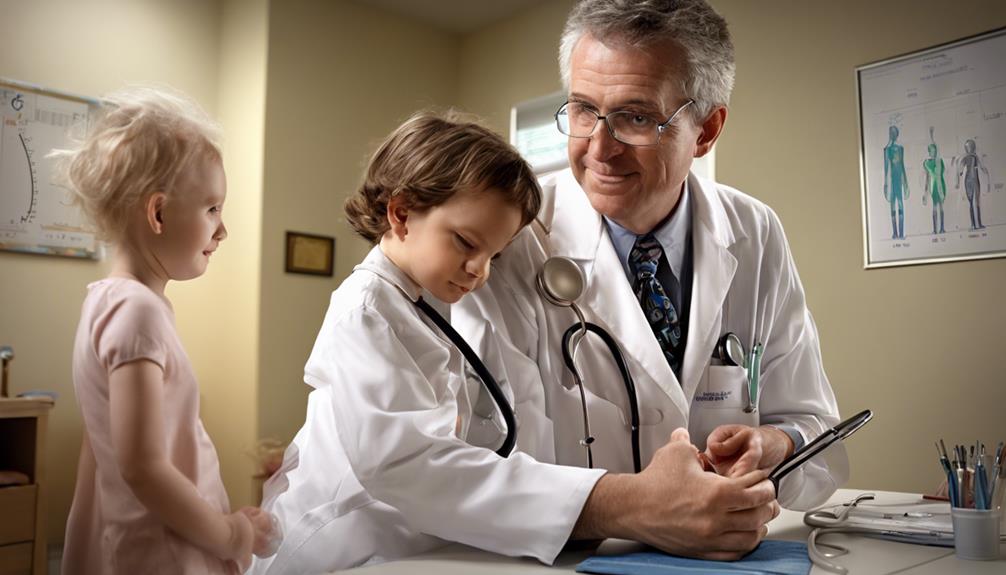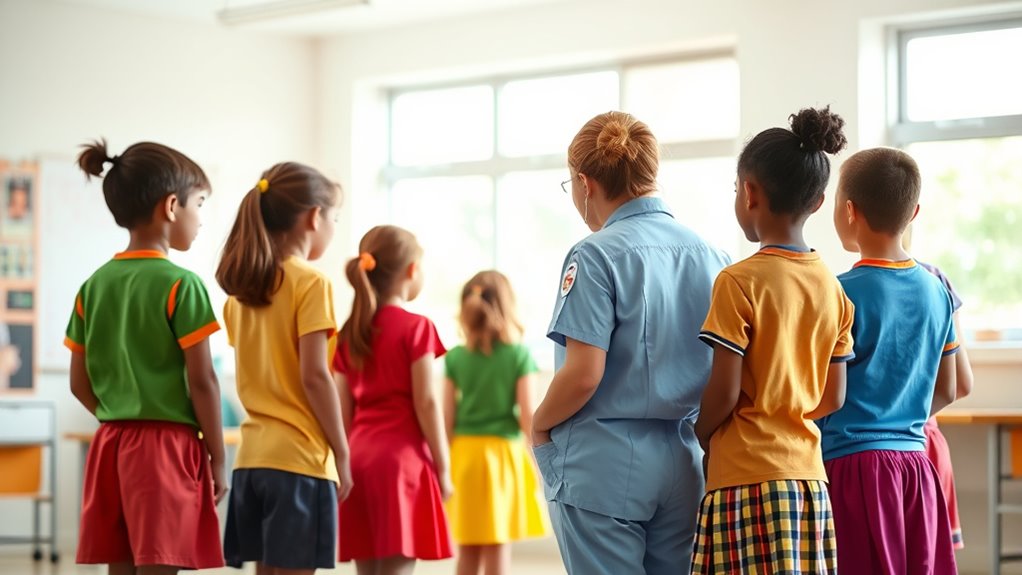

Scoliosis checks in school-age kids are quick, painless screenings aimed at catching early signs of uneven back, shoulders, or hips. During these checks, children stand straight and bend forward while a healthcare professional visually inspects for any asymmetries. Early detection allows for non-invasive treatments like bracing or therapy, preventing progression. Regular school screenings help guarantee issues are caught early when interventions are most effective. Keep exploring to learn more about how these checks protect your child’s spinal health.
Key Takeaways
- School-based scoliosis screenings help detect spinal irregularities early during childhood growth.
- The forward bend test is a quick, non-invasive method used to identify asymmetries.
- Early detection allows for monitoring and less invasive treatments like bracing or therapy.
- Screenings are safe, painless, and designed to ensure child comfort during routine checks.
- Follow-up assessments by healthcare providers are essential if irregularities are found during initial screening.

Regular scoliosis checks in school-age kids are essential for catching spinal issues early, before they develop into more serious problems. When you prioritize early detection, you give your child the best chance to avoid invasive treatments or complex surgeries down the line. Schools often implement screening programs to identify signs of scoliosis, making it easier to catch these issues at a stage when they’re most manageable. These screening techniques are designed to be quick, non-invasive, and effective, allowing healthcare professionals or school nurses to identify any abnormal spinal curvature during routine exams.
During a typical scoliosis screening, your child will be asked to stand naturally, often with arms hanging freely. The assessor may then ask your child to bend forward at the waist, which helps reveal any unevenness or asymmetry in the back, shoulders, or hips. This simple test allows for a visual inspection of the spine, making it easier to spot potential problems. If irregularities are detected, they might recommend further evaluation, such as X-rays, to confirm the presence and severity of scoliosis. The goal of these screening techniques is to catch issues early before they become more pronounced, which can help in planning effective treatment strategies.
During scoliosis screening, children stand naturally and bend forward to reveal spinal asymmetry for early detection.
You should feel reassured that school-based scoliosis checks are designed with your child’s safety and comfort in mind. The process is quick and painless, with no need for any invasive procedures during initial screenings. These early detection efforts are crucial because scoliosis can develop subtly and might not cause noticeable symptoms initially. Detecting it early means you and your child’s healthcare provider can monitor the condition closely and decide whether interventions like bracing or physical therapy are necessary. Early detection also helps prevent the progression of curvature, reducing the risk of long-term complications such as chronic back pain or impaired lung function.
It’s important to understand that scoliosis screening isn’t meant to diagnose the condition definitively but to flag potential concerns. When an abnormality is suspected, your healthcare provider will conduct more detailed assessments to determine the appropriate course of action. Regular checks ensure that any developing spinal issues don’t go unnoticed, especially during growth spurts when scoliosis tends to progress quickly. By staying proactive and supporting routine scoliosis screenings, you’re helping to catch problems early, making treatment more effective and less invasive. Ultimately, these screening techniques serve as a vital tool in safeguarding your child’s spinal health, ensuring that any issues are addressed promptly and appropriately.
kids scoliosis screening kit
As an affiliate, we earn on qualifying purchases.
As an affiliate, we earn on qualifying purchases.
Frequently Asked Questions
When Should Parents Start Monitoring for Scoliosis at Home?
You should start monitoring your child’s scoliosis at home around age 10, especially if they show signs like uneven shoulders or hips. Regularly check their posture and look for asymmetry. Incorporate home exercises and posture correction techniques to support spinal health. Keep an eye on any changes and encourage your child to maintain good posture daily. Early detection and consistent home care can make a big difference.
Are There Specific Signs Besides Uneven Shoulders to Watch For?
You should watch for signs like posture abnormalities, such as a visibly uneven waist or prominent ribs, beyond just uneven shoulders. Also, pay attention to back pain that persists or worsens, which could indicate scoliosis. Keep an eye on any asymmetry when your child bends forward, as this can reveal hidden curves. Promptly consult a healthcare professional if you notice these signs to guarantee early detection and treatment.
How Accurate Are School Scoliosis Screening Methods?
School scoliosis screening methods offer moderate screening accuracy, which helps with early detection but isn’t foolproof. You should understand that these checks are designed to identify potential issues early, prompting further evaluation if needed. While they can catch signs of scoliosis, false positives and negatives happen. So, if your child shows symptoms or if screenings raise concerns, consult a healthcare professional for a thorough evaluation and accurate diagnosis.
Can Scoliosis Develop After Age 12?
Yes, scoliosis can develop after age 12, especially during adolescence when growth spurts accelerate. As your child goes through adolescent growth and spinal development, new curves might emerge or existing ones worsen. Keep a close watch during these years, as the rapid changes can sometimes hide scoliosis’s subtle signs. Early detection and intervention become vital to managing the condition effectively and preventing long-term issues.
What Are the Long-Term Effects of Untreated Scoliosis?
If you leave scoliosis untreated, it can affect your adolescent development and spinal health. Over time, your spine may curve more, leading to pain, reduced lung capacity, and posture issues. You might also experience fatigue or discomfort during daily activities. Without proper treatment, these problems can worsen, impacting your overall well-being and quality of life. Early intervention is key to preventing long-term complications and supporting healthy spinal development.

Aaiffey Posture Corrector for Men Women&Children Upper Back Brace Adjustable and Effective Clavicle Support Device for Thoracic Kyphosis and Shoulder Pain Relief
🔥 【For Both Men & Women & Children】—The brace size S suitable chest 4-18 In weight 44-88 lb,size…
As an affiliate, we earn on qualifying purchases.
As an affiliate, we earn on qualifying purchases.
Conclusion
Regular scoliosis checks in school-age kids may seem like a small step, but they can catch serious issues early. Just like a tiny crack in a wall can grow into a big problem, ignoring early signs can lead to discomfort later. Taking action now is like planting a seed for your child’s healthy future. So, stay vigilant—because preventing a curve today can save your child from pain tomorrow.
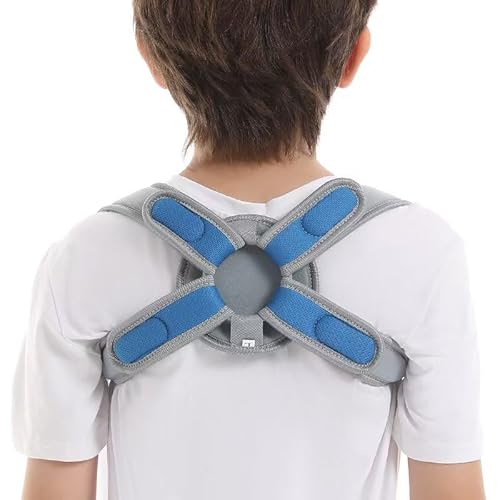
RousuMedi Pediatric Clavicle Support Brace, Upper Back Posture Corrector, Figure 8 Design for Kids, Collarbone and Shoulder Support (Medium:5~8yrs)
★OPTIMAL SUPPORT: Figure 8 design provides effective immobilization and stabilization of the clavicle and sternoclavicular joint for proper…
As an affiliate, we earn on qualifying purchases.
As an affiliate, we earn on qualifying purchases.

Scoliosis Guide: Strong Spine, Bright Future – Managing Scoliosis Through Exercises (Scoliosis Care)
As an affiliate, we earn on qualifying purchases.
As an affiliate, we earn on qualifying purchases.