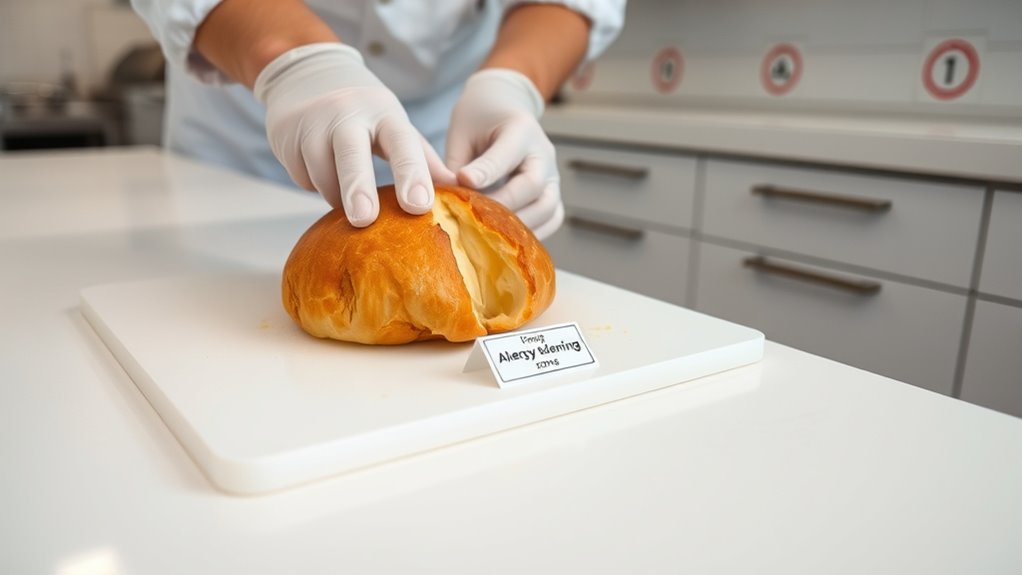

To avoid cross-contact, wash your hands thoroughly before preparing food and use separate utensils, cutting boards, and cookware for allergen-free meals. Clearly communicate your allergies to restaurant staff and carefully check labels for hidden ingredients. Keep your kitchen surfaces clean and store allergen-containing foods separately. By staying vigilant and implementing these practices, you can minimize risks and enjoy safer meals. If you want to learn more, there are effective strategies that can help you stay protected.

Turn the school run and nap time into listening time
- Thousands of audiobooks, podcasts and originals
- Listen on your phone, tablet or Echo — also offline
- Cancel anytime
Key Takeaways
- Use separate utensils, cutting boards, and cookware for allergen-free foods to prevent cross-contact.
- Wash hands thoroughly before preparing or handling allergen-free meals.
- Clearly communicate allergy details to restaurant staff and verify ingredient labels carefully.
- Regularly clean kitchen surfaces and equipment to remove allergen residues.
- Carry emergency medication, like an epinephrine auto-injector, and have an allergy action plan ready.
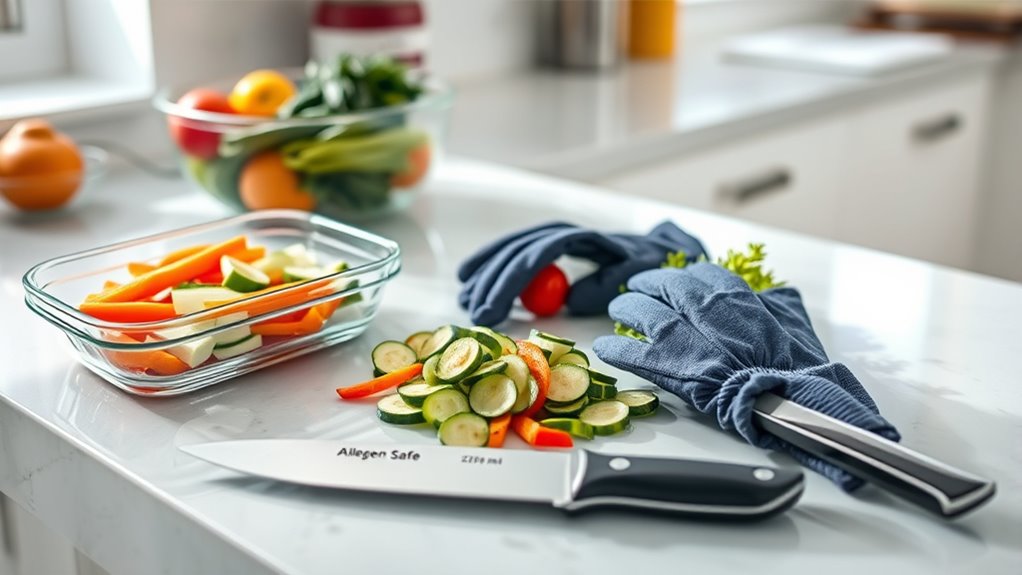
Have you ever experienced sudden symptoms after eating certain foods? If so, you know how alarming it can be. Food allergies can strike unexpectedly, and even tiny traces of an allergen can cause serious reactions. That’s why understanding how to prevent cross-contact is essential. Cross-contact occurs when an allergen touches a surface or food item, contaminating it and potentially triggering a reaction. To stay safe, you should prioritize allergy testing, which helps identify your specific allergies and informs how strict your avoidance needs to be. Knowing exactly what you’re allergic to allows you to make smarter choices and avoid accidental exposure. Once you understand your allergies better, you can develop a plan for emergency preparedness. This involves having quick access to emergency medication, like an epinephrine auto-injector, and knowing how to use it. It also means informing friends, family, and restaurant staff about your allergies, so they can help prevent cross-contact and respond swiftly if a reaction occurs.
Preventing cross-contact starts in the kitchen. Always wash your hands thoroughly before preparing food, and use separate utensils, cutting boards, and cookware for allergen-free meals. When dining out, communicate your allergies clearly to restaurant staff, asking about how they handle food preparation and whether they can accommodate your needs. Many restaurants now have protocols to minimize cross-contact, but it’s always wise to double-check. Additionally, be cautious with shared appliances like toasters or mixers, which can harbor residues of allergens from previous use. Packaging and labeling are also essential; always read labels carefully to spot any hidden sources of allergens, and be wary of processed foods that might contain cross-contact ingredients. Regularly inspecting and cleaning kitchen surfaces can further reduce the risk of accidental cross-contact, especially in environments where multiple food allergens are present.
Emergency preparedness is a cornerstone of managing food allergies. Always carry your allergy medication, and ensure your loved ones know how to assist you if a reaction occurs. Consider wearing a medical alert bracelet to quickly communicate your allergy status in emergencies. It’s a good idea to review allergy testing results periodically, especially if your symptoms change or new foods become problematic. Staying informed about your allergies empowers you to make safer choices and reduces the risk of accidental exposure. Remember, avoiding cross-contact isn’t just about individual meals; it’s about creating a safe environment where your allergy risks are minimized. By combining diligent food handling, clear communication, and preparedness, you can better protect yourself from unexpected reactions and enjoy your meals with greater confidence. Incorporating knowledge about hydrotherapy and other water-based therapies can also support overall wellness and stress management, which may indirectly benefit those managing food allergies.
food allergy safe cutting boards
As an affiliate, we earn on qualifying purchases.
As an affiliate, we earn on qualifying purchases.
Frequently Asked Questions
How Can I Tell if a Restaurant Is Safe for Allergy Sufferers?
You can tell if a restaurant is safe for allergy sufferers by checking their safety measures and allergy-friendly menus. Ask about their food preparation practices and if they have dedicated equipment to prevent cross-contact. Look for clear allergy information on menus or online. Trust your instincts—if they seem knowledgeable and transparent about allergy safety, it’s a good sign. Always communicate your allergies directly to staff before ordering.
What Are Hidden Sources of Allergen Cross-Contact in Processed Foods?
Hidden sources of allergen cross-contact in processed foods often come from hidden ingredients and cross-contamination during manufacturing. You should always check packaging labels carefully for terms like “flavoring” or “spices,” which can hide allergens. Be aware that shared equipment can transfer allergens even if not listed explicitly. Staying vigilant about reading labels and understanding potential hidden ingredients helps you avoid accidental allergen exposure.
How Should I Handle Cross-Contact at Parties and Social Gatherings?
When attending parties and social gatherings, you should plan ahead by informing hosts about your allergies and discussing safe options. Practice social communication by clearly explaining your needs and asking about food preparation to avoid cross-contact. Bring your own allergen-free dishes or snacks if possible, and guarantee utensils and serving areas are clean. Staying vigilant and proactive helps you enjoy events safely while managing your allergy concerns effectively.
Are There Specific Cleaning Products Effective for Removing Allergens?
You might worry that cleaning won’t fully remove allergens, but allergen-specific cleaners are highly effective. Use effective cleaning agents designed for food allergens, such as those containing enzymatic or protein-destroying formulas. These products break down allergens on surfaces better than regular cleaners, reducing your risk of cross-contact. Always follow the manufacturer’s instructions for best results, and clean thoroughly, especially on high-touch areas and utensils.
Can Cooking Utensils and Equipment Be Completely Free of Allergens?
Cooking utensils and equipment can be completely free of allergens if you thoroughly clean them after each use. Proper equipment cleaning involves washing with hot, soapy water and sometimes sanitizing to eliminate utensil contamination. Be sure to use separate utensils and equipment for allergen-free cooking whenever possible. Regularly inspecting and maintaining your tools helps prevent cross-contact, ensuring a safer environment for those with allergies.
Conclusion
To keep yourself safe, always stay vigilant about cross-contact, as even a tiny amount can trigger a severe reaction. Wash your hands, utensils, and surfaces thoroughly—think of it as your modern-day shield against hidden dangers. Remember, while you might feel like a knight in shining armor, it’s essential to remain cautious. By staying informed and diligent, you can navigate your food journey with confidence, avoiding surprises that could turn your feast into a tragic tale.
Halloween Picks
halloween
As an affiliate, we earn on qualifying purchases.






![Every Parent Dreads That Call From School… 📞😱 [Litterbox Comics]](https://motherbabykids.com/wp-content/uploads/2026/10/every-parent-dreads-that-call-from-school-litterbox-comics-featured-260x140.jpg)