To get a good latch, position your baby full face-to-face with you, holding them close with their body aligned and their head supported. Gently help your baby open wide by tickling their lips or inserting a finger, then bring them quickly to the breast so their mouth covers a good portion of the areola. Proper positioning guarantees a deep latch, which boosts comfort and milk transfer. Keep exploring these techniques to feel more confident with each feeding.
Key Takeaways
- Hold the baby close with full body facing the parent to ensure proper alignment.
- Support the baby’s neck and shoulders to facilitate a wide mouth open before latch.
- Aim the nipple toward the roof of the baby’s mouth for a deep, comfortable latch.
- Encourage the baby to open wide by gently tickling or stimulating the lips before latching.
- Use hand support to guide the nipple into the mouth and ensure the lips cover most of the areola.

A latch is a simple yet essential device used to secure doors, gates, and cabinets. When it comes to breastfeeding, however, “latch” takes on a different significance. It refers to how your baby attaches to your breast, and getting it right is critical for a comfortable, effective feeding experience. If you’re struggling with latch issues, don’t worry—there are effective breastfeeding techniques and latch correction exercises that can help you and your baby find a better fit.
First, understanding proper positioning is key. You want to hold your baby close, ensuring their body faces yours fully. Support their neck and shoulders, keeping their head aligned with their body. A good position allows your baby to open wide before latching, which makes it easier for them to take in more of the areola and nipple. When your baby’s mouth opens wide, bring them toward your breast, aiming the nipple toward the roof of their mouth, not just their lips. This ensures a deeper latch, reducing discomfort and increasing milk transfer.
Proper positioning promotes a comfortable, deep latch for effective breastfeeding.
Breastfeeding techniques focus heavily on creating an ideal latch. If you notice pain, clicking sounds, or if your baby isn’t gaining weight as expected, it’s time to revisit your latch. One effective method for improving latch is performing latch correction exercises. These exercises involve gently helping your baby open wide by tickling their lips or encouraging a big mouth opening with your finger. Once their mouth is wide enough, bring them onto the breast swiftly but smoothly, ensuring their lips cover a good portion of the areola. These exercises help your baby learn the correct latch pattern and can be especially helpful if they’re having difficulty latching initially. Additionally, understanding proper positioning can significantly improve latch success and comfort.
Consistency is key with latch correction exercises. Incorporate them into each feeding until a good latch becomes more natural. Using your hand to support your breast can also help guide your nipple into your baby’s mouth. Remember, every baby is different, so patience is essential as you experiment with positioning and techniques. If discomfort persists, consulting a lactation specialist can provide tailored guidance and support.
Practicing proper breastfeeding techniques and latch correction exercises regularly will eventually build your confidence and improve your feeding experience. Your baby’s comfort and your own are both important, so don’t hesitate to seek help if needed. With patience and persistence, you’ll find a position and latch that work well for both of you, making breastfeeding a more enjoyable and nourishing experience.

Momcozy Original Nursing Pillow for Breastfeeding-Innovative Safety Guard – Wider Feeding Pillows for More Support for Mom & Baby- Easier Nursing & Hand Free- Fit for All, Removable Cotton Cover
Easy Deep Latch for Baby, Stress-Free Nursing for Mom:Momcozy nursing pillow provides great support for mom and baby…
As an affiliate, we earn on qualifying purchases.
As an affiliate, we earn on qualifying purchases.
Frequently Asked Questions
How Do Different Latch Types Affect Positioning?
Different latch types influence your positioning by requiring proper latch alignment and guaranteeing latch compatibility with your car seat. If the latch isn’t aligned correctly, you might struggle to achieve a secure, snug fit, compromising safety. Some latch systems are designed for specific vehicles or seats, so verifying latch compatibility before installation helps you position your child safely and comfortably. Always follow manufacturer guidelines to ensure ideal latch performance and secure positioning.
Can Latch Positioning Impact Door Security?
Yes, latch positioning can impact door security. If you use childproof locks or decorative latch designs improperly, they might weaken the latch’s hold, making it easier for someone to force open the door. Ensuring the latch is correctly aligned and securely installed is essential. Avoid loose or incompatible childproof locks, and choose sturdy, well-designed decorative latch options to maintain both security and aesthetic appeal.
Are There Safety Considerations for Children With Latch Placements?
Yes, there are safety considerations for children with latch placements. You should guarantee that latch safety is prioritized by installing latches out of children’s reach and using child-proof locks. Regularly check that latches are secure and functioning properly to prevent accidental openings. Keep in mind that proper latch placement helps maintain child safety, reducing the risk of injuries or escapes. Always follow manufacturer instructions for safe and effective latch installation.
How Does Latch Wear Influence Door Operation?
Imagine a door gently closing, but as latch wear sets in, it struggles to catch. Over time, latch wear causes the latch to become loose or misaligned, making door operation less smooth. If the latch no longer aligns properly with the strike plate, the door might stick or not latch securely. Regularly check for latch wear and guarantee proper door alignment to keep everything functioning seamlessly and safely.
What Tools Are Needed for Adjusting Latch Positions?
To modify latch positions for proper lock installation and latch alignment, you’ll need a Phillips screwdriver and possibly a flat-head screwdriver. These tools help you loosen or tighten screws securing the latch plate or strike plate. Sometimes, you might also require a drill for repositioning hardware. By carefully adjusting the latch, you ensure smooth door operation and proper engagement, preventing further wear or misalignment issues.

My Brest Friend Nursing Pillow – Deluxe – Enhanced Comfort w/ Slipcover – Ergonomic Breastfeeding Pillow For Ultimate Support For Mom & Baby – Adjustable Pillow W/ Handy Side Pocket, Soft Rose
ERGONOMIC DESIGN: Elevate your nursing journey with our unique nursing pillow. The wrap-around feature ensures ideal positioning &…
As an affiliate, we earn on qualifying purchases.
As an affiliate, we earn on qualifying purchases.
Conclusion
Remember, mastering latch positioning isn’t just about technique—it’s about understanding your baby’s cues and needs. Some believe that perfect latch guarantees effortless feeding, but every baby is unique. Trust your instincts, stay patient, and adapt as you learn. True connection comes from tuning into your baby’s responses, not just following rules. When you listen and adjust, you create a bond that’s stronger than any theory, making feeding a nurturing experience for both of you.
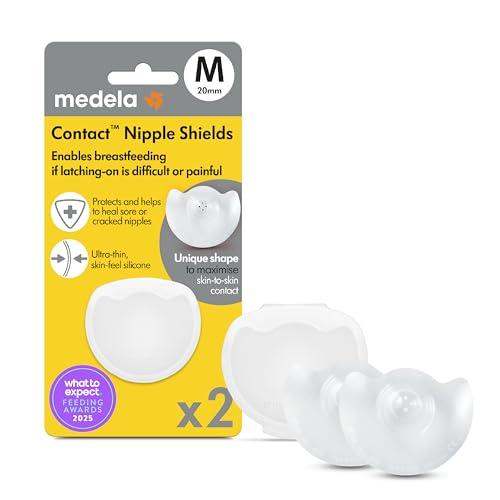
Medela Contact Nipple Shields, Medium 20mm, Food Grade Silicone | for Latching Difficulties During Breastfeeding, Flat or Inverted Nipples
DESIGNED TO SUPPORT BREASTFEEDING MOMS: Medela Contact Nipple Shields provide essential support for breastfeeding moms enabling them to…
As an affiliate, we earn on qualifying purchases.
As an affiliate, we earn on qualifying purchases.
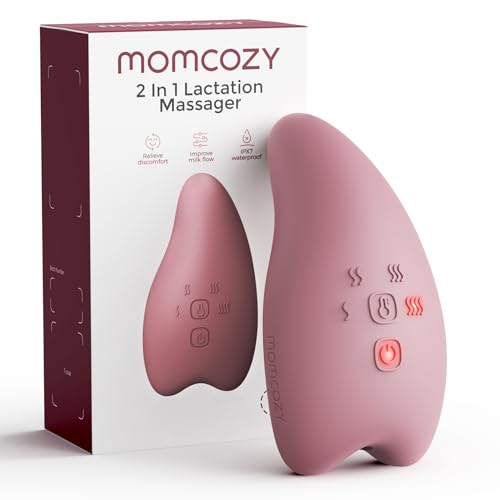
Momcozy A1Pro Lactation Massager, Deep Vibration & Rapid Heating for Clog Relief & Efficient Pumping, Breastfeeding Essentials with Memory Function & Fast Charging, for Postpartum Mom
Designed for Breastfeeding – Specifically created for nursing moms. Use before or during pumping to help soften the…
As an affiliate, we earn on qualifying purchases.
As an affiliate, we earn on qualifying purchases.