As parents, we often find ourselves knee-deep in the world of newborn care, steering through diaper changes and sleepless nights. But have you ever stopped to ponder the significance of your little one's poop schedule?
Imagine a roadmap of your baby's health, charted by their poop habits. How often should a newborn poop, and what does it signify? Let's unravel this mystery together, understanding the nuances and signals that your baby's poop may hold.
From breastfed to formula-fed infants, each diaper change tells a tale waiting to be deciphered. So, let's set off on this journey of decoding your baby's poop patterns and what they mean for their well-being.
Key Takeaways
- Breastfed newborns may poop frequently, even after each feeding session.
- Formula-fed babies typically have fewer bowel movements, around 1-4 times a day.
- Newborn poop varies in color and consistency based on feeding method.
- Any concerning changes in poop color, frequency, or baby discomfort should prompt medical advice.

Astro alan Baby Diaper Bags with Changing Station, Waterproof Diaper Bag Backpack for Moms Dads with USB Charging Port, Baby Shower Gifts, Large Capacity diaper backpack, Grey
【Convenient Diaper Bag with Changing Station】 All-in-one design includes a diaper backpack, a changing station, a washable changing…
As an affiliate, we earn on qualifying purchases.
As an affiliate, we earn on qualifying purchases.
Newborn Poop Frequency
Newborn poop frequency varies depending on whether the baby is breastfed or formula-fed. Breastfed babies may poop after each nursing session, sometimes up to six or more times a day in the initial weeks. On the other hand, formula-fed babies tend to have fewer but larger bowel movements, typically ranging from 1-4 times daily.
The first bowel movement, known as meconium, is usually passed within the first 24-48 hours after birth. Stool consistency can vary widely in newborns, from multiple times a day to once a week. It's normal for poop color to change from yellow to green to brown, with meconium being the initial stool passed.
Understanding the differences in how breastfed and formula-fed babies poop can help parents gauge what's normal for their little ones. Whether it's the frequency of bowel movements or the consistency and color of the stool, being aware of these variations aids in monitoring the baby's health and development.
No-Touch Thermometer for Adults and Kids, Accurate Digital Baby Thermometer, Fever Alarm & Silent Mode, 2 in 1 Forehead & Object Mode
Reliable & Accurate: Goodbaby Forehead Thermometer has been clinically tested and found to be a fast and absolutely…
As an affiliate, we earn on qualifying purchases.
As an affiliate, we earn on qualifying purchases.
Breastfed Newborn Poop Schedule
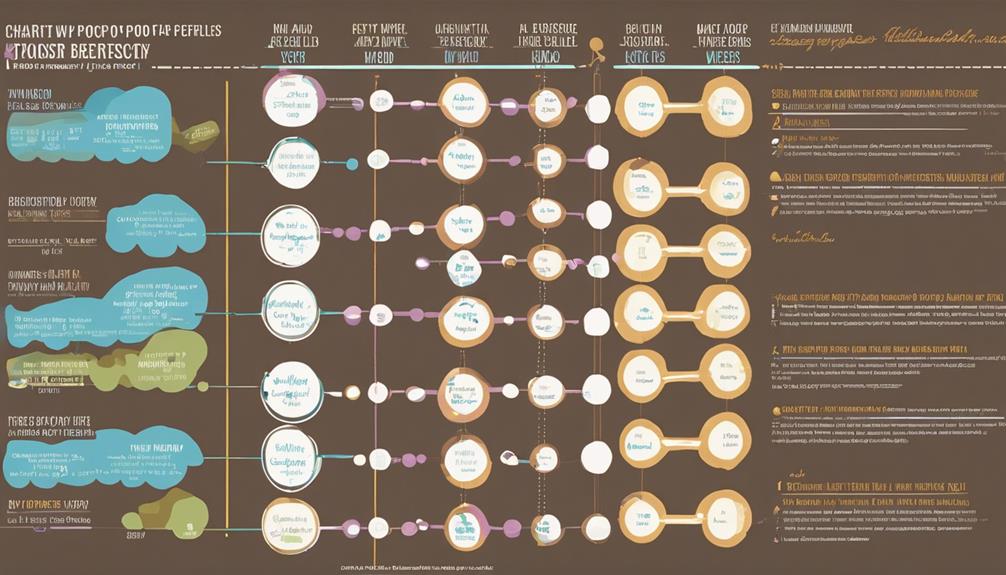
Breastfed babies, in their early weeks, typically exhibit a frequent and consistent pattern of passing stool after each nursing session, a process that allows parents to monitor their feeding and overall well-being effectively. When it comes to breastfed newborns, understanding their poop frequency is essential for ensuring their health and development. Here are some key points to note:
- Breastfed newborns may poop after each nursing session, with up to six or more poops daily in the first six weeks.
- Breastfed baby poop is mustard-yellow in color, reflecting the composition of breast milk.
- Breastfed babies tend to have softer stools due to the easily digestible nature of breast milk.

Frida Baby Mobile Medicine Cabinet Travel Kit, Set Baby Essentials Gift Set Includes NoseFrida Snotsucker, Rectal Thermometer, MediFrida Medicine Dispenser with Portable Carrying Case
ALL-IN-ONE BABY HEALTHCARE ESSENTIALS ON THE GO: The Frida Baby Mobile Medicine Cabinet features a portable travel case…
As an affiliate, we earn on qualifying purchases.
As an affiliate, we earn on qualifying purchases.
Formula-Fed Newborn Poop Patterns
When caring for infants who are fed formula, it's important to be aware of the typical poop patterns they may exhibit. Formula-fed babies generally have 1-4 bowel movements a day, which is fewer but larger compared to breastfed babies. The stool consistency for formula-fed newborns is usually firmer and ranges in color from yellow to brown.
Understanding that the frequency of bowel movements in formula-fed newborns can vary depending on their individual digestive systems. Due to the nature of formula feeding, babies may experience slower bowel movements compared to those who are breastfed. This difference in digestion can lead to the production of the characteristic larger stools seen in formula-fed infants.
Monitoring these patterns can help parents make sure their newborns are healthy and thriving regarding their gastrointestinal health.

Desitin Maximum Strength Baby Diaper Rash Cream, 40% Zinc Oxide, Hypoallergenic No Added Parabens & Dyes, Protects & Relieves Baby’s Skin for Up to 12 Hours, Prevents Diaper Rash, 4.8 oz Tube
Maximum Strength Diaper Rash Cream: Desitin diaper cream contains 40% zinc oxide to treat and prevent diaper rash…
As an affiliate, we earn on qualifying purchases.
As an affiliate, we earn on qualifying purchases.
Baby Poop Appearance Guide

Understanding the appearance of a newborn's poop can provide valuable insights into their gastrointestinal health and overall well-being. When it comes to baby poop, there are some key indicators to look out for:
- Meconium: The first stool passed by newborns, meconium appears dark greenish-black and sticky.
- Breastfed: Baby poop from breastfed infants is typically seedy and mustard-like in consistency, with a yellow color.
- Formula-fed: On the other hand, formula-fed baby poop is usually yellow-tan like toothpaste, both in color and texture.
These normal baby poop colors may range from yellow to green to brown, with deviations like red or black potentially signaling health issues. Additionally, baby poop can vary in consistency from thick like peanut butter to mushy like cottage cheese. Keeping an eye on these visual cues can help parents gauge their baby's digestive health and make sure everything is on track.
When to Seek Medical Advice
If your newborn experiences prolonged periods without passing stool, what're the signs that necessitate seeking medical advice promptly? Changes in poop color, like black, red, or white, can signal health issues requiring attention. Hard stools and straining during bowel movements should be discussed with your pediatrician to rule out any underlying problems.
If your baby isn't pooping and shows signs of discomfort or distress, it's important to contact your healthcare provider. Any concerns about the frequency, consistency, or color of your newborn's poop should be addressed promptly by consulting the pediatrician.
Frequently Asked Questions
How Often Should a Newborn Poop Chart?
We should consider a newborn poop chart as a helpful tool to track frequency and consistency. It can aid in understanding our baby's digestive health, especially when sharing this information with healthcare providers for guidance and support.
How Often Should You Check a Newborn's Poop?
We check a newborn's poop regularly to monitor health and feeding patterns. It guarantees they get enough nutrition and alerts us to digestive issues early on. Changes may indicate problems, so checking often is essential.
How Long Can Newborn Go Without Pooping?
We comprehend the concern about a newborn not pooping. If your baby hasn't pooped for more than a few days, it is crucial to seek medical advice. Regular monitoring of your baby's bowel movements helps guarantee their digestive health.
How Often Should a Newborn Have a Poopy Diaper?
We monitor a newborn's poop frequency. Breastfed babies may go 6 times daily, while formula-fed may poop 1-4 times. Passing meconium early is normal. Contact the pediatrician if no poop for over a week or if poop color changes.
Conclusion
To sum up, newborn poop frequency can vary, but it's important to monitor your baby's patterns for any changes.
Did you know that breastfed babies can poop up to 5 times a day, while formula-fed infants may poop less frequently?
Keeping an eye on your baby's poop can provide valuable insight into their overall health.
If you have any concerns about your baby's poop, don't hesitate to consult with a pediatrician for guidance.