
If your newborn baby frequently gets hiccups, you might be wondering about the causes and effective remedies.
Imagine a scenario where your little one's hiccups just won't seem to go away.
While baby hiccups are usually harmless, understanding the reasons behind them and learning how to manage them can provide much-needed assurance.
Stay tuned to discover practical tips and tricks to help ease your baby's hiccups and guarantee a more comfortable feeding experience for both you and your little one.
Key Takeaways
- Newborn hiccups stem from diaphragm spasms, fast milk intake, or excess air swallowing.
- Remedies include burping, pacifiers, and calm feeding environments to ease hiccups.
- Prevent hiccups by adjusting feeding techniques and holding baby upright post-feeding.
- Seek medical advice for persistent hiccups, especially if related to GERD or lasting long.

Philips Avent Soothie Baby Pacifiers – 100% Silicone Pacifiers for Babies 0-3 Months, One-Piece Design, BPA-Free, Extra Durable, Green, 4 Pack, Model SCF190/41
Newborn pacifier 0-3 months supporting baby’s natural suckling need: designed to fulfill newborns' natural suckling reflex to self-soothe…
As an affiliate, we earn on qualifying purchases.
As an affiliate, we earn on qualifying purchases.
Common Causes of Newborn Hiccups
Newborn hiccups, often a common concern for parents, can be attributed to spasms in the developing diaphragm, the muscle essential for breathing. When your little one gulps down milk too hurriedly, swallows excess air while feeding, or experiences stomach distention from overeating, these factors can trigger those adorable yet sometimes worrisome hiccups. In some cases, gastroesophageal reflux disease (GERD) may also contribute to the frequency of hiccups in infants.
It's completely normal for your baby to have bouts of hiccups that last around 10 minutes or even longer, happening multiple times throughout the day. While some infants might hiccup more frequently than others, rest assured that in most cases, these hiccups resolve on their own without any need for intervention. Remember, your little one's developing body is just adjusting to the new world outside the womb, and these hiccups are often a part of that process.

Comfy Cubs Muslin Burp Cloths 20" x 10", Pack of 10 – Large, 6-Layer, Ultra Absorbent 100% Cotton for Baby Drool and Messes – Soft, Safe & Gentle Baby Burp Cloths for Boys & Girls – Multi
Soft and Gentle Baby Burp Cloths: Made from 100% breathable muslin cotton, these burping cloths are lightweight, gentle,…
As an affiliate, we earn on qualifying purchases.
As an affiliate, we earn on qualifying purchases.
Effective Remedies for Baby Hiccups

When your baby experiences persistent hiccups, simple remedies can provide relief and comfort. Here are some effective remedies for your baby's hiccups:
- Burping: After feeding, make sure to burp your baby to release any excess gas that might be causing the hiccups.
- Pacifier: Offering a pacifier to your baby can help relax the diaphragm and potentially stop the hiccups.
- Allowing Natural Resolution: Most baby hiccups will resolve naturally within 5 to 10 minutes, so it's often best to let them pass on their own.
- Creating a Calm Environment: During feeding times, create a calm and peaceful environment for your baby. A relaxed atmosphere can help prevent hiccups in newborns by reducing stress and aiding in smoother digestion.

Nuby Calming Natural Flex Snuggleez Pacifier with Plush Combo Set for Cuddling with Comfort, Giraffe
Keep tears away by keeping your baby's favorite pacifier close. Snuggleez pacifier are a soft plush that attach…
As an affiliate, we earn on qualifying purchases.
As an affiliate, we earn on qualifying purchases.
Tips to Manage Baby Hiccups

If your baby is experiencing hiccups, there are several practical tips you can implement to manage and alleviate this common reflex. Hiccups in newborns are often a result of the diaphragm contracting, which is important for their brain and breathing development. To help manage your baby's hiccups, consider adjusting feeding techniques. Slowing down the feeding pace, making sure proper burping during and after feeds, and holding your baby upright for a little while after feeding can all aid in reducing hiccups. If the hiccups persist for an extended period or if your baby seems uncomfortable, it's advisable to consult a doctor to rule out any underlying issues and receive appropriate guidance. By incorporating these simple strategies into your routine, you can help your newborn navigate through hiccups more comfortably.
| Tips to Manage Baby Hiccups | ||
|---|---|---|
| Feeding Techniques | Burping Regularly | Holding Upright Post Feeding |
| Slow down feeding pace | Make sure proper burping techniques | Hold baby upright after feeding |
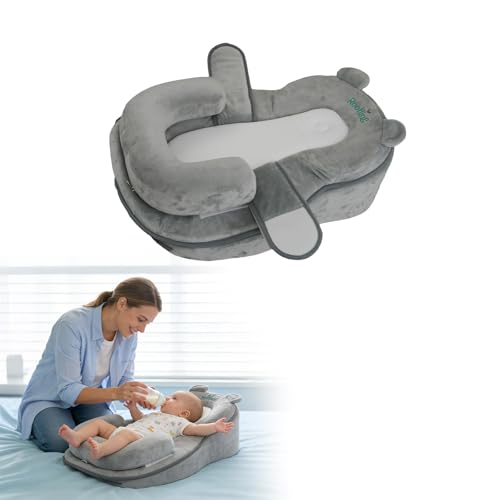
XFaa Rootling Baby Feeding Pillow, Anti Overflow Feeding Pillow for Reducing Spit-Up, Safety Nursing Pillow, Baby Lounger Reflux Wedge Breastfeeding, Removable top and Bottom
【Dual-Function Detachable Design】: The removable wedge segment transforms this pillow into a flat surface when detached, eliminating the…
As an affiliate, we earn on qualifying purchases.
As an affiliate, we earn on qualifying purchases.
Preventing Hiccups in Newborns

To prevent hiccups in newborns, consistently burping your baby during feedings is essential for releasing excess gas that may trigger hiccups. Creating a calm environment during feeding times can also help prevent hiccups from occurring. Remember these tips to minimize the chances of your newborn experiencing hiccups:
- Burping: Make sure to burp your baby frequently during and after feedings to release any trapped air that could lead to hiccups.
- Upright Position: Hold your baby upright for about 20-30 minutes after feeding to aid in digestion and reduce the likelihood of hiccups.
- Feeding Techniques: Whether bottle feeding or breastfeeding, guarantee a good latch and proper feeding techniques to prevent excess air intake that can cause hiccups.
- Feeding Pace: Slow down the feeding pace to allow your baby to swallow properly and decrease the chances of hiccups in newborns.
Seeking Help for Persistent Hiccups

To address persistent hiccups in newborns, it's important to seek guidance from a pediatrician to guarantee your baby's health and well-being. Persistent hiccups in newborns can sometimes signal underlying issues such as gastroesophageal reflux disease (GERD). If you notice that your baby's hiccups last for prolonged periods or are accompanied by vomiting, it's vital to consult a pediatrician promptly.
Seeking medical help for persistent hiccups is essential to rule out any serious conditions and assure your baby's well-being. Pediatricians are equipped to provide guidance on managing persistent hiccups and can recommend appropriate treatment options if necessary.
Frequently Asked Questions
How Do I Relieve My Newborns Hiccups?
To relieve your newborn's hiccups, try burping them, offering a pacifier, changing their position, or gently rubbing their back. Avoid adult remedies. These simple steps can help ease your baby's discomfort and stop the hiccups.
Is It OK to Lay Baby Down With Hiccups?
It's perfectly fine to lay your baby down with hiccups. These little spasms are usually harmless. If they persist and you're worried, a pediatrician can offer guidance. Your baby's comfort is key.
Do Hiccups Mean Baby Is Full?
Hiccups in babies don't always mean they're full. Hiccups can result from swallowing air or feeding too quickly. It's crucial to burp babies to release trapped air. Watch for cues like turning away or closing mouth to gauge fullness.
What Is the Best Position for Baby Hiccups?
To help with baby hiccups, hold your little one upright after feeding, keeping them calm and slightly elevated. Avoid laying them flat right away. This position aids in digestion, reduces diaphragm pressure, and minimizes air swallowing for fewer hiccups.
Conclusion
To sum up, newborn baby hiccups are a common occurrence that can be easily managed with simple remedies and techniques.
Did you know that on average, newborns experience hiccups multiple times a day?
By following the tips provided, you can help alleviate hiccups and create a more comfortable feeding experience for your little one.
Remember to seek medical advice if hiccups persist or if your baby seems distressed.