
Discovering you’re pregnant with twins in the first trimester can bring excitement along with some common signs like intense fatigue, stronger morning sickness, and larger-than-expected belly. While these symptoms can hint at multiples, they’re not definitive. A family history of twins increases your chances, and early ultrasound around 6-8 weeks can confirm whether you’re carrying two babies. Keep in mind, this pregnancy requires extra care—more details below can help you understand what to expect.
Key Takeaways
- Early signs of twin pregnancy may include heightened fatigue, severe morning sickness, and larger-than-expected belly, but are not definitive indicators.
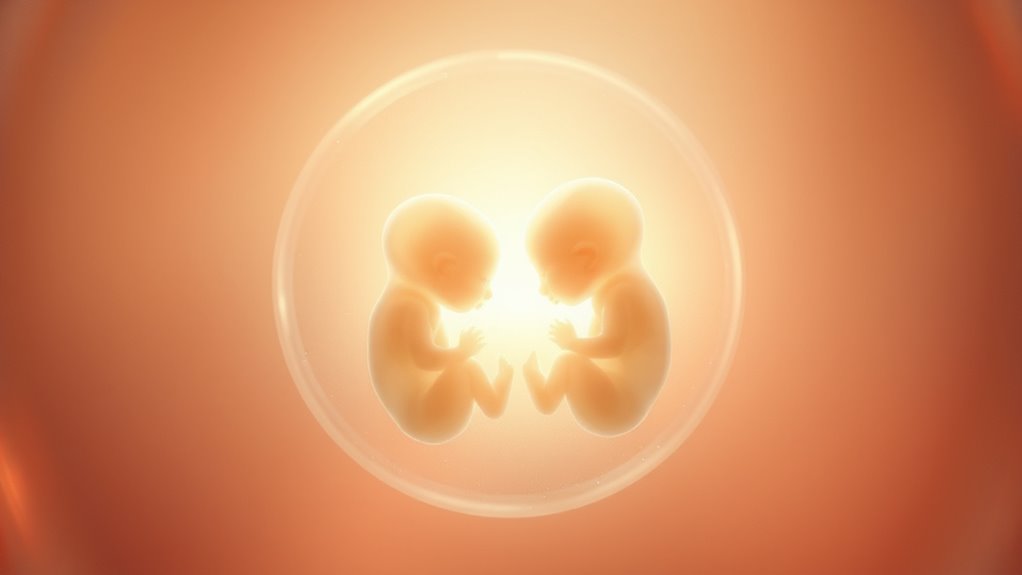
- Ultrasound around 6-8 weeks is the most accurate method to confirm twin pregnancy by detecting two gestational sacs or heartbeats.
- A family history of fraternal twins increases the likelihood of conceiving multiples naturally due to genetic factors.
- Twin pregnancies carry higher risks like preterm birth and gestational diabetes, requiring careful prenatal monitoring.
- Symptoms can be more intense in twin pregnancies, but early signs alone cannot confirm if the pregnancy involves multiples.
Discovering you’re expecting twins during the first trimester can be both exciting and overwhelming. Your initial reaction might be a mix of joy, surprise, and concern as you process the idea of carrying two babies simultaneously. Early on, you may notice certain symptoms that suggest multiples, but these signs are often similar to those experienced in singleton pregnancies. Understanding the role of genetic factors can help clarify why twins occur and what to expect in the early stages of pregnancy. If twins run in your family, you might have a higher chance of conceiving multiples naturally. For example, women with a family history of fraternal twins are more likely to release multiple eggs during ovulation, increasing the odds of carrying twins. While genetic factors play a significant role, they aren’t the only elements at work, but they do influence the likelihood of twinning. Genetic predisposition can also impact the chances of multiple ovulations and twin pregnancies. In the first trimester, some women notice early symptoms that could hint at a twin pregnancy, though these are not definitive indicators. You might experience heightened fatigue, more pronounced morning sickness, or increased breast tenderness compared to a singleton pregnancy. These symptoms are often more intense because your body is adjusting to support two developing embryos, which requires more energy and hormonal changes. Additionally, you may notice a larger-than-expected belly or rapid weight gain early on. However, it’s important to remember that these signs can vary greatly from person to person and are not exclusive to twins. The only way to confirm a twin pregnancy is through ultrasound, usually performed around 6-8 weeks, which can reveal the presence of two gestational sacs or two fetal heartbeats. Recognizing early symptoms and understanding genetic influences can prepare you for what’s to come, but it’s essential to stay in close contact with your healthcare provider. They can monitor your pregnancy more carefully, especially since carrying multiples carries higher risks such as preterm birth or gestational diabetes. Remember, every pregnancy is unique, and what applies to one person might not to another. If you have a family history of twins, share this information with your doctor, as it could influence your prenatal care plan. While early symptoms can give clues, the confirmation from ultrasound provides the most accurate information about your pregnancy. Embrace this exciting time, and trust your medical team to guide you through the journey ahead.
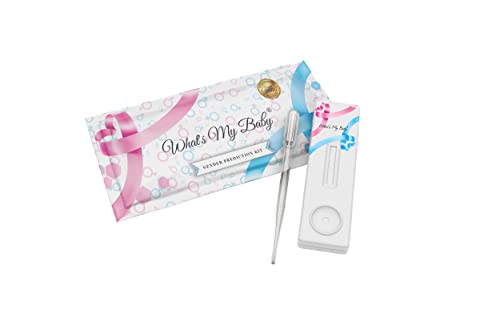
Whats My Baby® Early Gender Prediction Test – Reveal if Your Baby is a Girl or Boy from 5 Weeks – Instant Results – Gender Reveal Early Pregnancy Test Kit
💙 EARLY RESULTS – FIND OUT AS SOON AS 5 WEEKS!. Fun Discovery of your baby's gender at…
As an affiliate, we earn on qualifying purchases.
As an affiliate, we earn on qualifying purchases.
Frequently Asked Questions
How Can I Tell if I Am Having Twins Early On?
You can tell if you’re having twins early on through ultrasound imaging, which shows multiple gestational sacs or fetal poles. Genetic testing, like cell-free DNA analysis, might hint at multiples but isn’t definitive. Early signs include increased pregnancy symptoms and higher hCG levels, but the most reliable method remains an ultrasound. Visit your healthcare provider promptly to get accurate information and proper prenatal care.
Are There Specific Symptoms Indicating Twin Pregnancy in the First Trimester?
You might notice symptom variations like more intense morning sickness, extreme fatigue, and noticeable weight gain early on, which can indicate a twin pregnancy. Elevated hormone levels, particularly hCG, often cause these symptoms to be more pronounced. Keep in mind, though, these signs aren’t definitive. Consult your healthcare provider for accurate diagnosis through ultrasounds and blood tests, as symptoms alone can vary widely in twin pregnancies.
What Are the Common Risks Associated With Twin Pregnancies in Early Weeks?
You face higher risks with twin pregnancies in early weeks, including complications like premature delivery and uneven twin growth. Your body works harder to support both babies, increasing chances of miscarriage or preterm labor. It’s essential to get regular prenatal care, follow your doctor’s advice, and monitor for symptoms like cramping or bleeding. Staying informed helps you manage risks and promotes healthier outcomes for your twins.
Does Twin Pregnancy Affect Morning Sickness Severity?
Twin pregnancies often increase morning sickness severity, with about 70% of women reporting more intense nausea. This happens because hormonal differences, especially higher levels of hCG and estrogen, contribute to increased nausea severity. As your body adapts to these hormonal changes, you might experience more pronounced morning sickness. Remember, each pregnancy is unique, so if you’re concerned about your symptoms, consult your healthcare provider for personalized advice.
When Is the Earliest Ultrasound That Can Confirm Twins?
You can usually confirm twin pregnancies with an ultrasound as early as 6 to 8 weeks gestation. Early ultrasound timing allows your healthcare provider to use twin detection techniques like transvaginal ultrasound, which offers clearer images at this stage. Keep in mind, some cases may require a follow-up ultrasound around 10-12 weeks for more definitive confirmation, especially if initial images are unclear.
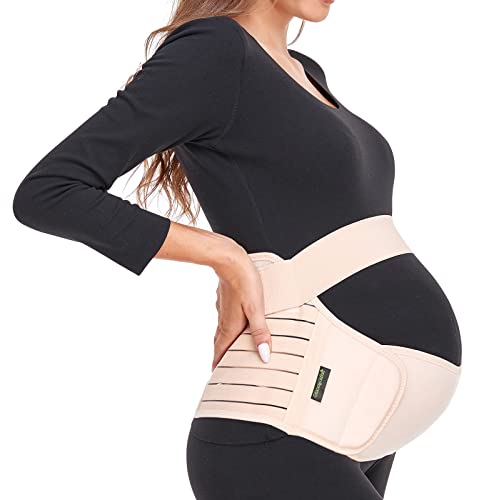
ChongErfei Maternity Belt, Pregnancy 3 in 1 Support Belt for Back/Pelvic/Hip Pain, Maternity Band Belly Support for Pregnancy Belly Support Band (L: Fit Ab 39.5"-51.3", Beige)
✅RECOMMENDED BY OBSTETRICIANS: Medical studies show wearing a high quality maternity support belt, helps to promote a healthier…
As an affiliate, we earn on qualifying purchases.
As an affiliate, we earn on qualifying purchases.
Conclusion
As you navigate this early journey, remember that your twin pregnancy is like a delicate seedling sprouting in a vast garden—full of promise and wonder. Each day brings new surprises, your body working tirelessly to nurture these tiny miracles. Embrace every moment, knowing you’re part of a beautiful symphony of life in the making. Before long, these little stars will shine brighter, filling your world with double the love and joy.

Nature's Truth Prenatal Vitamins With Folic Acid | 60 Capsules | Non-GMO & Gluten Free Supplement
PRENATAL FORMULA: Multivitamin & mineral beneficial for women before, during & after pregnancy
As an affiliate, we earn on qualifying purchases.
As an affiliate, we earn on qualifying purchases.

FETAL Heart Detector #D206, OTC Fetal Doppler to Detect & Display Fetal Heart Rate for Pregnancy
FETAL HEART DETECTOR #D206, Fetal Doppler to Detect & Display Fetal Heart Rate
As an affiliate, we earn on qualifying purchases.
As an affiliate, we earn on qualifying purchases.