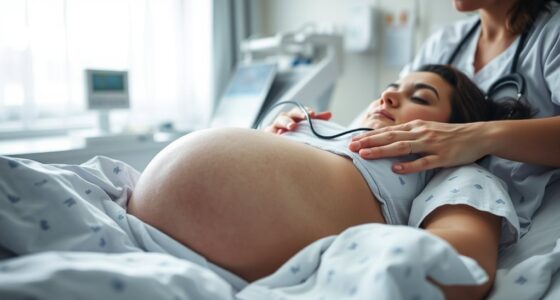

If you suspect preeclampsia, watch for sudden high blood pressure, persistent swelling, severe headaches, or vision changes, and seek medical care immediately. To lower your risk, follow the doctor’s advice, stay active, eat a balanced diet, and keep up with prenatal checkups. Monitoring symptoms and early intervention can prevent serious complications. Continue exploring ways to protect yourself and your baby as you stay informed about preeclampsia.

Get baby and family essentials delivered free — and shop member deals
- Fast, free delivery on millions of items
- Access to Prime Big Deal Days deals on October 6–7
- Prime Video, Amazon Music and more included
Key Takeaways
- Recognize warning signs like sudden high blood pressure, persistent swelling, severe headaches, and vision changes for early detection.
- Maintain a healthy pregnancy through regular prenatal check-ups, balanced diet, hydration, and stress management.
- Monitor blood pressure regularly and attend all medical appointments to detect and manage preeclampsia promptly.
- Follow medical advice, including prescribed antihypertensive medications and lifestyle modifications to reduce risk.
- Seek immediate medical attention if experiencing severe symptoms such as chest pain, shortness of breath, or intense abdominal pain.
blood pressure monitor for pregnancy
As an affiliate, we earn on qualifying purchases.
As an affiliate, we earn on qualifying purchases.
Understanding Preeclampsia and Its Impact
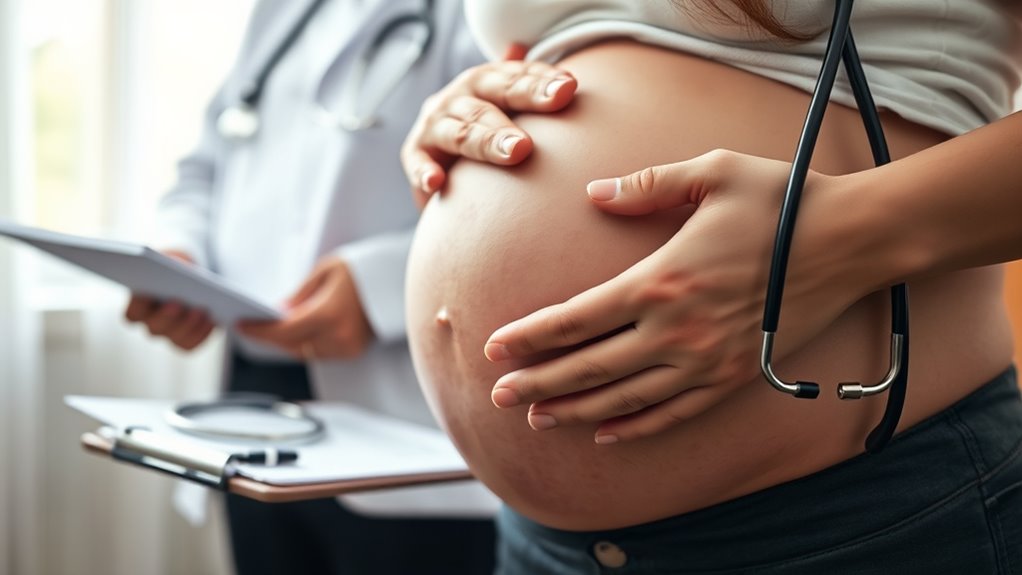
Preeclampsia is a serious pregnancy complication characterized by high blood pressure and signs of organ damage, most often to the liver and kidneys. Many preeclampsia myths circulate, causing confusion and fear among expectant mothers. It’s important to understand that while this condition can be dangerous, early detection and proper care greatly improve outcomes. Emotional support plays a crucial role in managing the stress and uncertainty that come with a preeclampsia diagnosis. Knowing the facts helps you stay informed and proactive about your health. Don’t let misconceptions undermine your confidence; instead, rely on trusted medical advice and a strong support system. Understanding the impact of preeclampsia empowers you to seek timely care and safeguard your well-being and that of your baby.
Common Symptoms to Watch For
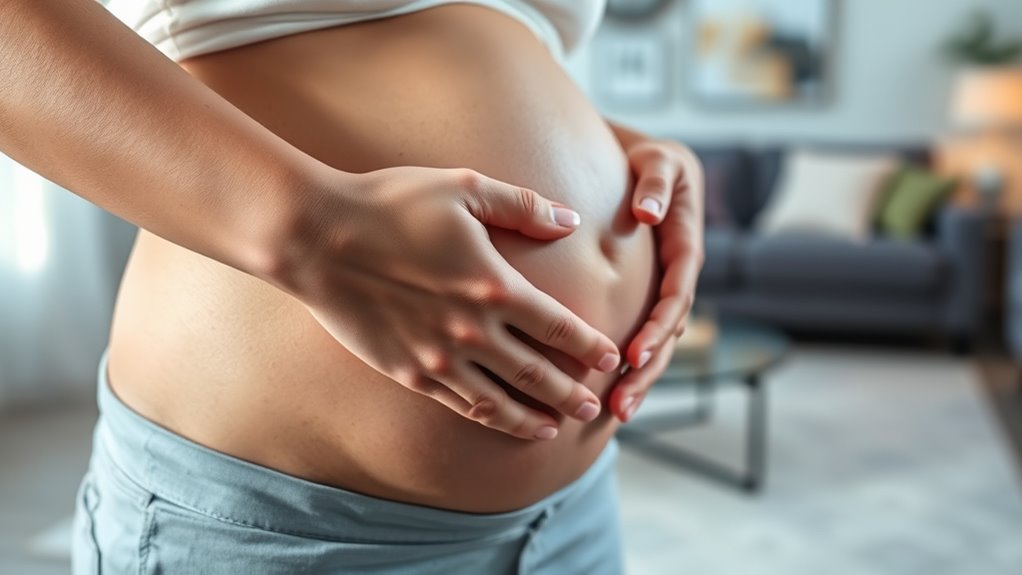
You should be alert to sudden increases in your blood pressure, as this can be a key warning sign. Watch for unusual swelling in your hands or face that doesn’t go away, which may indicate fluid retention. Additionally, persistent headaches or changes in your vision could signal preeclampsia needing prompt medical attention. Staying informed about industry trends is also crucial, as understanding skin health can aid in overall well-being and early detection of issues.
Sudden Blood Pressure Rise
A sudden rise in blood pressure is one of the most noticeable warning signs of preeclampsia. You might experience abrupt blood pressure spikes that can escalate into hypertensive crises if not addressed promptly. Keep an eye out for:
- Rapid increases in blood pressure readings
- Severe headaches or dizziness accompanying the spike
- Visual disturbances like blurred vision
- Shortness of breath or chest pain
These symptoms indicate your blood pressure is rising quickly and could become dangerous. Hypertensive crises require immediate medical attention to prevent complications for both you and your baby. Recognizing these signs early helps ensure timely intervention, reducing the risk of severe health issues related to preeclampsia. Always monitor your blood pressure closely and report any sudden changes to your healthcare provider. Blood pressure management is essential in preventing escalation of symptoms. Regular monitoring and understanding preeclampsia warning signs can help you take swift action when needed.
Unusual Swelling or Edema
Sudden, noticeable swelling, especially in your hands, face, or around your eyes, can be a warning sign of preeclampsia. This swelling results from fluid retention that causes your skin to appear puffy and inflamed. You might notice your fingers feeling tight or rings becoming harder to remove. Persistent puffiness in your face or around your eyes shouldn’t be ignored. Although some swelling is normal during pregnancy, sudden or excessive swelling warrants medical attention. Fluid buildup can indicate that your body is holding too much water, which can affect your blood pressure and organ function. Recognizing the signs of fluid retention can help in early detection of potential complications. Keeping track of any unusual changes in your appearance, especially if swelling worsens or appears rapidly, is essential. Early detection is key to managing preeclampsia effectively and protecting both you and your baby. Understanding the importance of monitoring your body’s changes can help in early identification of potential complications. Recognizing the symptoms of fluid retention can assist in timely medical intervention.
Persistent Headaches or Visual Changes
Persistent headaches or visual changes can be warning signs of preeclampsia that shouldn’t be disregarded. If you experience a severe headache that doesn’t go away or worsens, it could indicate increased blood pressure affecting your brain. Visual disturbances, such as blurred vision, flashing lights, or seeing spots, are also concerning symptoms. These signs may signal that your condition is progressing and needs immediate attention. Be alert to:
- Sudden increase in headache severity
- Persistent or worsening visual disturbances
- Headaches not relieved by usual remedies
- Any new or unusual visual changes
Recognizing these symptoms early can help prevent serious complications. Understanding the cultural narratives surrounding pregnancy health can enhance patient education and awareness. Incorporating sound design techniques into educational materials about preeclampsia can improve patient understanding and engagement. If you notice any of these signs, contact your healthcare provider promptly to ensure proper evaluation and care. Additionally, being aware of the symptoms of preeclampsia can help you seek timely medical intervention.
Risk Factors That Increase Likelihood
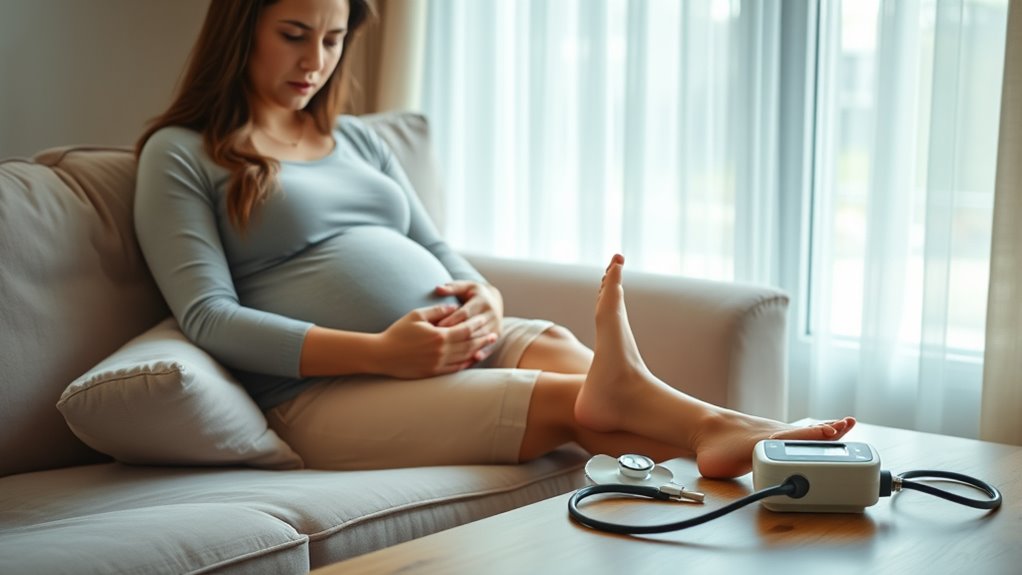
Several factors can increase your risk of developing preeclampsia, making it important to understand who might be more vulnerable. A genetic predisposition can play a significant role, especially if close relatives have experienced preeclampsia or related conditions. Age-related risks are also vital; women under 18 or over 35 are more susceptible. Other factors include having a first pregnancy, carrying multiple babies, or having underlying health issues like hypertension, diabetes, or kidney disease. Obesity can further elevate your chances. Being aware of these risk factors helps you and your healthcare provider monitor for early signs and take preventive steps. Recognizing your risk allows for tailored care, reducing potential complications for both you and your baby. Additionally, research shows that certain gelato flavors may contain ingredients that could influence inflammation levels, although no direct link to preeclampsia has been established.
Furthermore, understanding the diverse design options of planters can inspire you to create healthier indoor environments that support overall well-being.
How Preeclampsia Is Diagnosed
Preeclampsia is diagnosed through a combination of medical assessments that monitor your blood pressure and check for signs of organ involvement. Your healthcare provider will perform diagnostic tests and lab analysis to confirm the condition. They typically measure your blood pressure regularly and look for protein in your urine, which signals kidney issues. Additionally, they may order blood tests to evaluate liver function, platelet count, and kidney health. These assessments help identify preeclampsia early and determine its severity. Key diagnostic steps include:
- Blood pressure measurement
- Urinalysis for protein levels
- Blood tests for liver and kidney function
- Platelet count analysis
Incorporating clinical assessment methods can also enhance the accuracy of diagnosis and treatment planning. These methods may include non-invasive techniques like ultrasound evaluations to monitor fetal well-being and placental health, ensuring comprehensive care. This comprehensive approach ensures accurate diagnosis and appropriate care.
Preventive Strategies During Pregnancy
Taking proactive steps during pregnancy can markedly reduce your risk of developing preeclampsia. Prioritize prenatal vitamins, especially those containing calcium and magnesium, to support your health. Incorporate safe exercise routines, like walking or prenatal yoga, to improve circulation and manage weight. Here’s a quick guide:
| Strategy | Benefits | Tips |
|---|---|---|
| Prenatal vitamins | Strengthen immune system | Take daily with food |
| Regular exercise | Reduce blood pressure | Consult your healthcare provider |
| Balanced diet | Maintain healthy weight | Focus on fruits, veggies |
| Adequate hydration | Prevent swelling and fatigue | Drink plenty of water |
| Rest and stress management | Promote overall well-being | Prioritize sleep and relaxation |
Engaging in stress management techniques can also help prevent complications during pregnancy.
Lifestyle Changes to Reduce Risk

Making lifestyle changes can markedly lower your risk of developing preeclampsia. To help protect yourself, focus on healthy habits like incorporating regular exercise routines and dietary adjustments. Maintaining an active lifestyle improves blood flow and supports overall health. Eating a balanced diet rich in fruits, vegetables, whole grains, and lean proteins can help manage blood pressure. Avoid excessive salt, processed foods, and sugary drinks. Consider these key steps:
Making healthy lifestyle choices can significantly reduce preeclampsia risk during pregnancy.
- Engage in moderate exercise routines most days of the week
- Limit salt intake and choose nutrient-dense foods
- Stay hydrated with plenty of water
- Maintain a healthy weight before and during pregnancy
- Incorporate physical activity modifications to improve physical activity comfort and overall well-being
These small but consistent changes can make a significant difference in reducing your preeclampsia risk and supporting a healthy pregnancy.
Medical Treatments and Monitoring Options
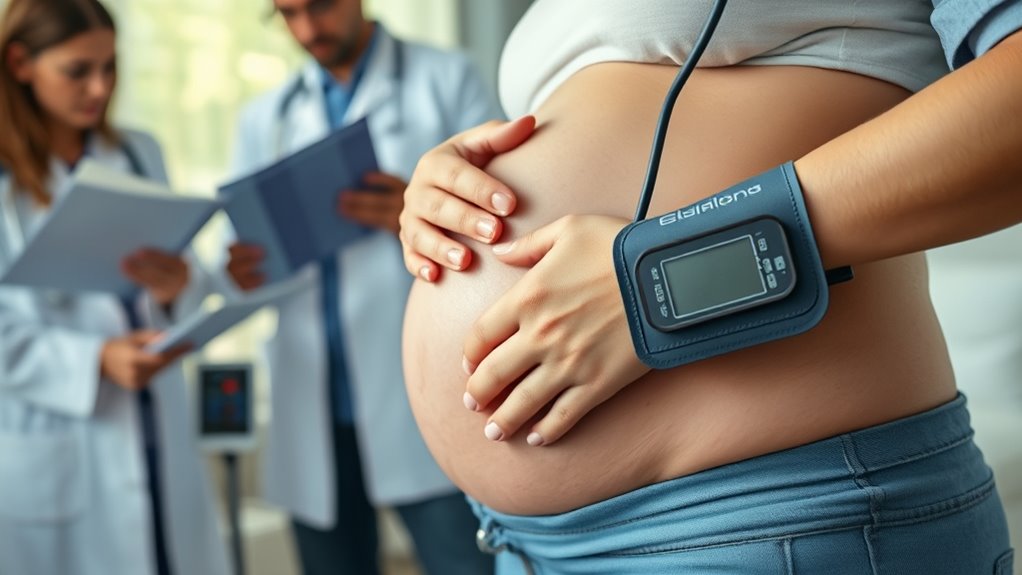
Managing your blood pressure is vital, and your healthcare provider may recommend medications to keep it under control. Regular monitoring helps detect changes early and guides necessary adjustments. By understanding your treatment options and staying vigilant, you can better protect your health and your baby’s.
Blood Pressure Management
Controlling blood pressure is essential in preventing complications from preeclampsia, and there are several medical treatments and monitoring options available to help achieve this. Effective blood pressure management involves regular blood pressure monitoring to catch early signs of hypertension. You might also focus on lifestyle changes, such as reducing salt intake and staying active, to support hypertension control. In addition, your healthcare provider may recommend home blood pressure tracking to ensure consistent readings. Monitoring helps you and your doctor make timely adjustments to your care plan. Remember, maintaining stable blood pressure levels minimizes risks like organ damage or preterm birth. Staying vigilant with blood pressure monitoring and following your provider’s guidance are key steps to managing preeclampsia effectively.
Medication Options Available
To effectively keep blood pressure in check, healthcare providers have a range of medication options and monitoring strategies tailored to your needs. Common medications include antihypertensives like labetalol, nifedipine, and methyldopa. Some may explore alternative therapies, such as herbal supplements, but always consult your doctor before use. Monitoring may involve regular blood pressure checks, urine tests, and blood work to track your condition. Here’s a quick overview:
| Medication Type | Purpose | Considerations |
|---|---|---|
| Antihypertensives | Lower blood pressure | Prescription required |
| Herbal Supplements | Complementary support | Limited scientific evidence |
| Monitoring Devices | Track blood pressure regularly | Essential for ongoing care |
| Lifestyle Changes | Reduce severity | Diet, exercise, stress management |
| Alternative Therapies | Support overall health | Always consult healthcare provider |
Regular Monitoring Practices
Regular monitoring is essential in managing preeclampsia effectively, helping healthcare providers detect changes early and adjust treatments promptly. You can perform self-assessment at home, which includes tracking your blood pressure, monitoring protein in urine, and noting any symptoms like headaches or vision changes. Regular check-ups with your healthcare provider are vital, but home monitoring allows for more immediate awareness of potential issues. Consider these key practices:
- Using a home blood pressure monitor daily
- Recording blood pressure readings and symptoms
- Sending your measurements to your healthcare team
- Following specific instructions for self assessment
When to Seek Immediate Medical Attention
Recognizing when to seek immediate medical attention is essential if you notice sudden or severe symptoms, as preeclampsia can escalate quickly. Emergency symptoms such as severe headaches, vision changes, intense abdominal pain, sudden swelling, or shortness of breath require immediate action. Don’t hesitate—call your healthcare provider or go to the emergency room. Prompt response can prevent serious complications for both you and your baby. Keep this table handy to identify warning signs:
| Symptom | Action Needed | Priority |
|---|---|---|
| Severe headache | Seek emergency care | Urgent |
| Vision changes | Go to ER | Critical |
| Sudden swelling | Contact doctor immediately | High priority |
| Chest pain | Seek immediate help | Emergency |
| Shortness of breath | Head to ER | Urgent |
Your quick action can make a vital difference.
Supporting Mothers and Families Through Care

When urgent symptoms arise, acting quickly can make a real difference in outcomes. Supporting mothers and families through care involves offering emotional support to help them cope with stress and uncertainty. Connecting families with community resources ensures they access necessary services, like counseling, support groups, and healthcare assistance. You can help by:
- Listening empathetically to their concerns
- Providing information on preeclampsia and available resources
- Encouraging participation in support groups
- Guiding them toward local clinics and mental health services
Your involvement reassures mothers they’re not alone, reducing anxiety and fostering resilience. Community resources can alleviate the burden, making it easier to navigate complex healthcare needs. By actively supporting both emotional well-being and practical needs, you help families manage care more effectively during this challenging time.
Frequently Asked Questions
Can Preeclampsia Affect the Long-Term Health of Mother and Baby?
Yes, preeclampsia can impact your long-term health and your baby’s future risks. As a mother, you might face increased chances of developing hypertension, heart disease, or stroke later in life. For your baby, there’s a higher likelihood of growth issues or developmental delays. Managing preeclampsia carefully during pregnancy helps reduce these risks, but it’s important to stay vigilant and follow your healthcare provider’s advice for long-term well-being.
Are There Specific Dietary Recommendations for Preventing Preeclampsia?
You can reduce your risk of preeclampsia by following specific dietary recommendations. Focus on a balanced diet rich in fruits, vegetables, and whole grains while limiting salt intake. Nutritional guidelines suggest incorporating dietary supplements like calcium and magnesium, which may help prevent preeclampsia. Despite the importance of diet, remember that regular prenatal checkups are essential. Proper nutrition combined with medical advice offers the best chance for a healthy pregnancy.
How Does Preeclampsia Influence Labor and Delivery Options?
Preeclampsia can considerably influence your delivery planning and labor interventions. If diagnosed, your healthcare provider might recommend early delivery, possibly through induction or cesarean section, to protect you and your baby. You may also require closer monitoring during labor, including blood pressure checks and medication. This condition prompts careful planning to guarantee safe labor and delivery, with medical teams ready to intervene if complications arise.
Is Preeclampsia More Common in First Pregnancies?
Think of your first pregnancy as a delicate dance where preeclampsia might step into the spotlight more often. Yes, preeclampsia is more common in first pregnancies, known as primiparity risk. During this initial journey, your body is still learning the rhythm, which can sometimes trigger this condition. So, if you’re in your first pregnancy, stay vigilant and communicate closely with your healthcare provider to keep the dance safe and smooth.
What Are the Emotional Impacts on Mothers Diagnosed With Preeclampsia?
You might feel a mix of anxiety, fear, and uncertainty after being diagnosed with preeclampsia. It can take a toll on your emotional resilience, making you feel overwhelmed or stressed about your health and your baby’s well-being. That’s why seeking mental health support is essential. Connecting with counselors or support groups helps you process your emotions, build resilience, and navigate the challenges during this stressful time.
Conclusion
Knowing the warning signs of preeclampsia could save your life or your baby’s—it’s like having a superpower! By staying vigilant, making healthy lifestyle choices, and working closely with your healthcare team, you can conquer this condition before it takes over. Don’t wait for a disaster—act now and turn what seems like a tiny bump in the road into a smooth journey. Your health and your baby’s future depend on it!
Halloween Picks
halloween
As an affiliate, we earn on qualifying purchases.