

The key rule many parents miss is that kids should stay rear-facing for as long as possible, ideally until they reach the seat’s maximum height or weight limit. Extended rear-facing provides better support for developing necks and spines, distributing crash forces safely. Rushing to forward face can increase injury risk. If you’d like to understand how to keep your child safer and for longer, there’s more helpful information to discover.

Turn the school run and nap time into listening time
- Thousands of audiobooks, podcasts and originals
- Listen on your phone, tablet or Echo — also offline
- Cancel anytime
Key Takeaways
- Keep your child rear-facing until they reach the seat’s maximum height or weight limit, often beyond age 2.
- Proper seat installation with minimal movement and correct recline angle is essential for safety.
- Ensure the child’s head and neck are well-supported, with ears below the seat’s top, before transitioning forward-facing.
- Regularly inspect the seat and harness for wear, damage, and proper fit to maintain safety during extended use.
- Prioritize extended rear-facing as the safest option, aligning with safety guidelines and expert recommendations.
extended rear-facing car seat for toddlers
As an affiliate, we earn on qualifying purchases.
As an affiliate, we earn on qualifying purchases.
Why Extended Rear-Facing Is Safer for Your Child
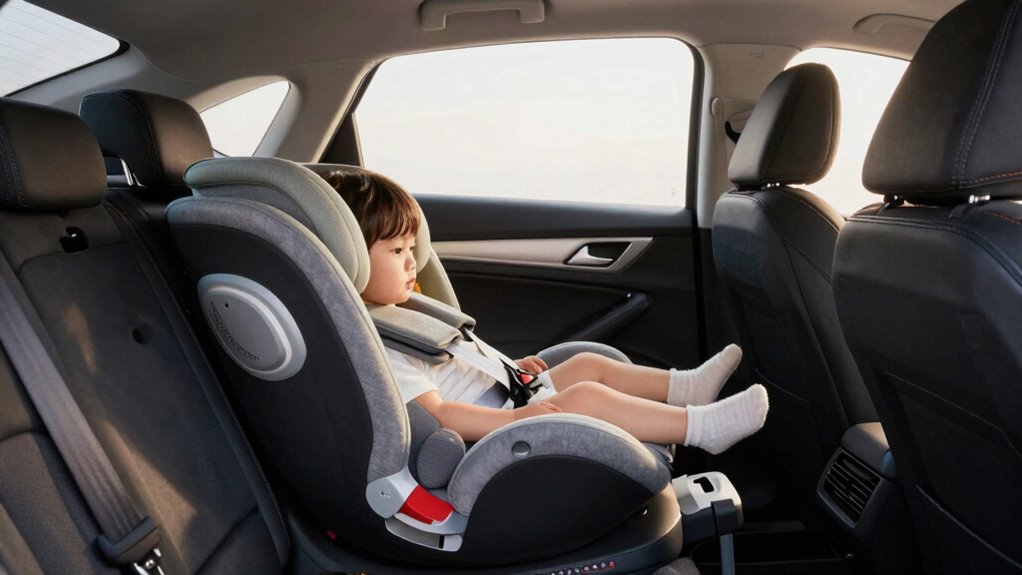
Because young children’s necks and spines are still developing, rear-facing car seats provide essential protection that forward-facing seats can’t match. When you keep your child rear-facing longer, you’re prioritizing vehicle safety by better supporting their head, neck, and spine during a collision. This position distributes crash forces more evenly across their body, reducing injury risk. Unlike booster seats, which are meant for older kids who can sit properly, rear-facing seats cradle your child, offering superior protection in the event of a sudden stop or crash. Extending rear-facing use aligns with safety guidelines and helps ensure your child’s developing bones and tissues are shielded. Additionally, understanding early warning signs for breast cancer can empower parents to prioritize safety and health in all aspects of their lives. Recognizing the importance of child safety gear can further enhance your child’s protection on the road. Proper installation and car seat maintenance are crucial to ensure the safety features are effective. By choosing to keep your child rear-facing longer, you’re making a safer, more informed decision that prioritizes their well-being in every trip.
How Long Should Kids Stay Rear-Facing?

Experts recommend keeping your child in a rear-facing car seat until they reach the maximum height or weight limit specified by the manufacturer, which is typically around age 2 or even longer. Staying rear-facing longer is one of the most effective ways to improve travel safety and protect your child’s delicate neck and spine during a crash. If your child outgrows their current seat, consider car seat upgrades that accommodate higher weight and height limits, allowing them to remain rear-facing for an extended period. This practice isn’t just safer; it aligns with current safety guidelines, giving your child better protection on every trip. Remember, the longer your child stays rear-facing, the better their safety during car travel. Extended rear-facing is supported by safety experts as a best practice for protecting young children, especially considering the risks of early forward-facing positioning. Additionally, choosing a car seat with higher weight limits can facilitate longer rear-facing periods, ensuring optimal safety.
The Key Rear-Facing Rule Most Parents Overlook
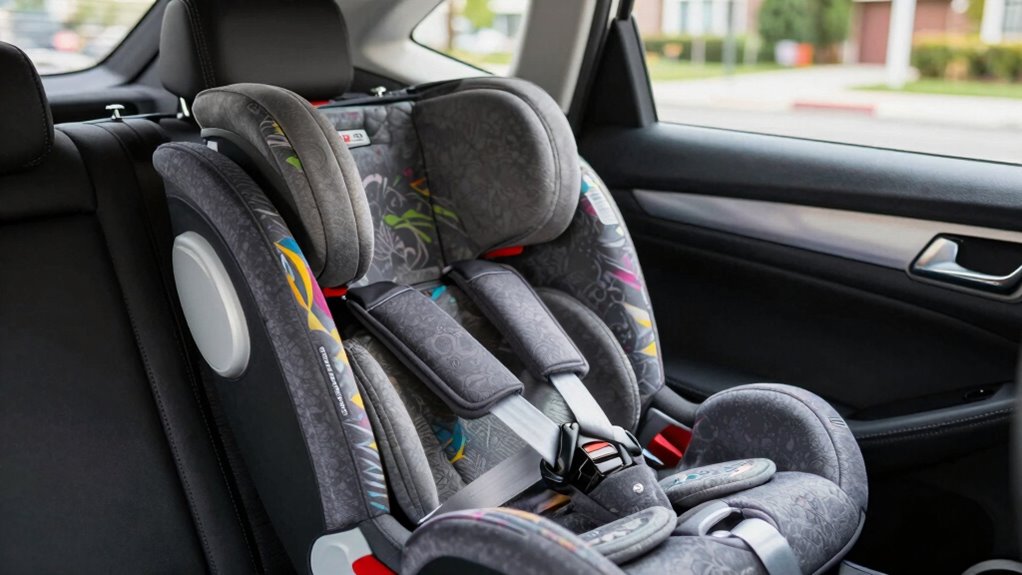
Many parents overlook the most important rule for rear-facing car seats: keeping your child in this position until they’ve reached the maximum height or weight limit, regardless of their age. Moving your child prematurely to a forward-facing seat or booster seat can compromise safety. Imagine your child’s tiny body protected, with their head, neck, and spine aligned—like a carefully balanced sculpture. Visualize:
- A seat belt snug across their shoulders and hips
- No slack or gaps in harness straps
- Their ears just below the top of the seat
- The seat fitting tightly against the vehicle seat
- The child’s legs comfortably bent, not cramped
- Ensuring the seat’s proper installation is crucial for maximum protection and safety. Using the right tools and following safety tips can help achieve secure installation and peace of mind. Proper seat adjustment can also help maintain optimal safety as your child grows, emphasizing the importance of rear-facing positioning during their early years. Additionally, awareness of car seat safety guidelines can help parents make informed decisions.
Common Myths About Rear-Facing Car Seats Debunked

There are several common myths about rear-facing car seats that can lead you to make unsafe choices. One myth is that children outgrow rear-facing seats quickly, but in reality, extended rear-facing is safer for child injury prevention and supports proper car seat safety. Another misconception is that rear-facing seats are uncomfortable or limit mobility, when actually, they provide better protection during a crash. Some believe rear-facing seats are only necessary for infants, but many children benefit from staying rear-facing well beyond toddler years. Misunderstanding the safety benefits can cause delays in transitioning, increasing risk. Additionally, understanding body jewelry measurements and materials can help ensure proper fit and safety, just as choosing the correct car seat positioning is crucial for safety. Proper positioning and child seat guidelines are essential for maximizing protection and reducing injury risk during accidents. Ensuring correct installation techniques are followed can make a significant difference in safety outcomes. Staying informed about rear-facing car seat recommendations can help parents make better choices and protect their children more effectively. Recognizing that car seat safety standards evolve over time is important for keeping up with the best practices. Debunking these myths helps you make informed decisions that prioritize your child’s safety and guarantee compliance with best practices in car seat safety.
How Do I Know When My Child Is Ready to Forward Face?

Determining when your child is ready to forward face depends on their size, age, and development, but safety should always come first. Watch for growth milestones that indicate they’re ready for a seat transition. Generally, your child should have:
Safety first: watch for growth milestones to determine when your child is ready to forward face.
- Reached the maximum height or weight limit for their rear-facing seat
- Can sit upright without support for extended periods
- Has good head and neck control
- Can stay seated comfortably without slouching
- Passes the car seat’s harness fit test (snug and secure)
- Be aware of safety guidelines that can help inform your decision. Additionally, understanding Convertible Car Seat Regulations can provide further clarity on appropriate transition timing for your child’s safety. Recognizing car seat expiration dates is also important, as outdated equipment may no longer meet current safety standards. Being aware of proper installation techniques ensures your child’s safety during travel. It’s also helpful to consider indoor air quality factors that can influence overall child health and safety during car rides. If these signs are present, it’s likely time to consider forward-facing options. Remember, every child develops differently, but prioritizing safety and following manufacturer guidelines will help you make the best decision.
Tips for Properly Installing and Using Extended Rear-Facing Seats
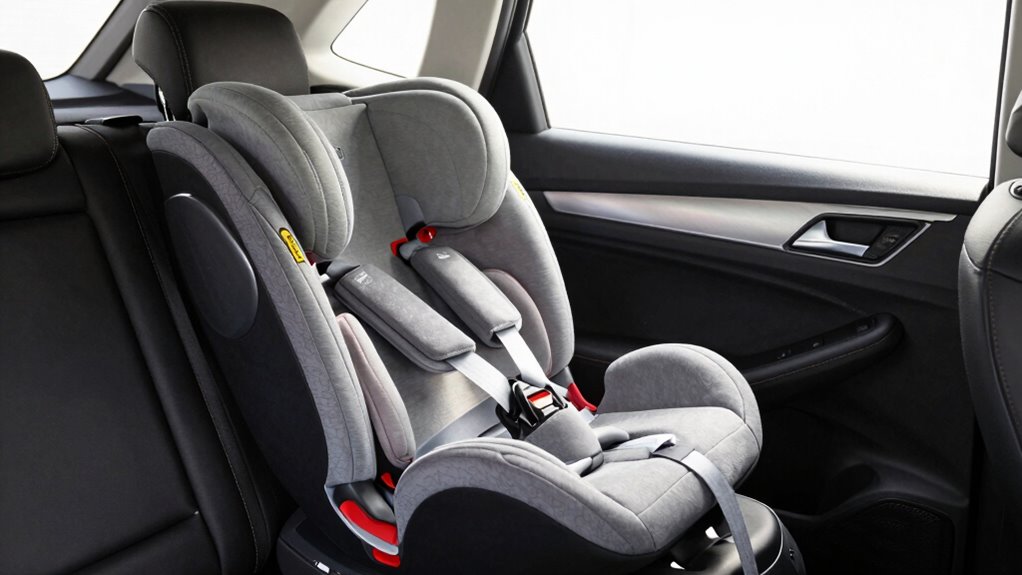
Properly installing and using extended rear-facing seats is essential for guaranteeing your child’s safety and comfort. Start by carefully reading the manufacturer’s instructions, as installation methods can vary. Make sure the seat is tightly secured using the vehicle’s seat belt or lower anchors, with minimal movement. Check that the seat’s recline angle is appropriate to keep your child’s head from falling forward. When selecting car seat fabrics, choose breathable materials that prevent overheating, especially during longer trips. Avoid using booster seats with rear-facing seats, as they serve different purposes. Regularly inspect the seat’s harnesses and padding for signs of wear or damage. Ensuring the seat’s proper installation is key to maximizing safety and comfort. Proper installation and maintenance help maximize safety and ensure your child remains comfortable throughout their extended rear-facing journey.
Practical Tips: Space, Comfort, and Convenience for Rear-Facing Car Seats
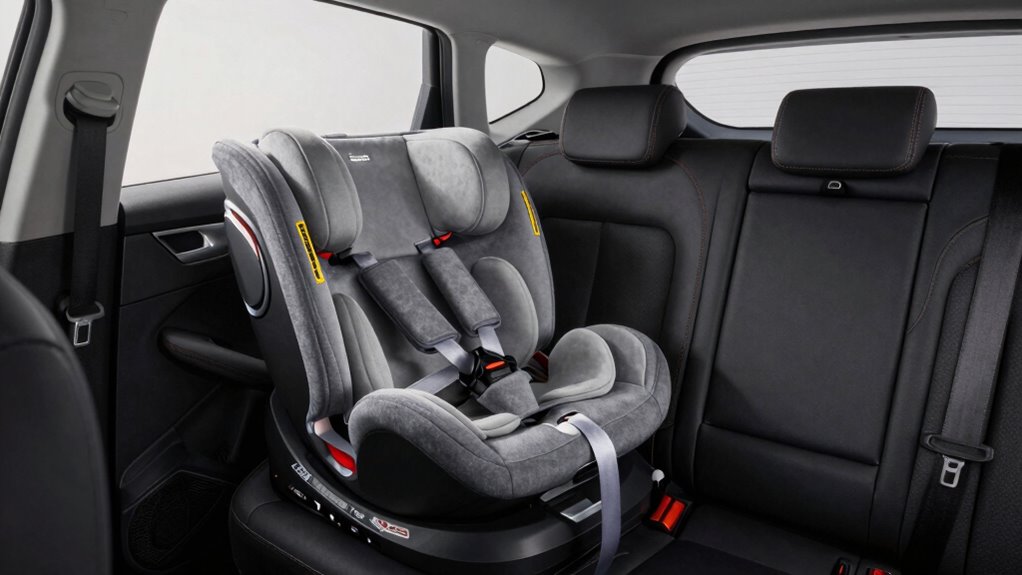
Making sure your child’s seat is positioned correctly is key to their comfort and safety. You’ll want to find the ideal spot that provides enough space without sacrificing security. Keeping your child comfortable ensures longer, more relaxed car rides for everyone.
Optimal Seat Positioning
For rear-facing car seats, choosing the right seat position can substantially enhance your child’s safety and comfort. Proper seat positioning depends on seat orientation and vehicle compatibility, ensuring a snug fit that minimizes movement. To find the ideal spot, consider these factors:
- The seat should fit snugly against the vehicle’s back seat, with minimal side-to-side movement
- Ensure the seat’s recline angle aligns with manufacturer guidelines
- Position the seat in the middle for maximum protection, if your vehicle allows
- Check for easy access to seat belts or LATCH anchors
- Confirm unobstructed access to the rear doors for quick emergencies
Ensuring Child Comfort
Ensuring your child’s comfort in a rear-facing car seat starts with paying attention to space and fit. Make certain the seat doesn’t feel cramped, allowing for enough room for your child’s legs and head. Check stroller compatibility if you plan to transfer the seat between car and stroller—some seats easily attach, offering added convenience. Climate considerations are also essential; choose fabrics that keep your child cool in hot weather and warm during cold months. Proper ventilation and adjustable straps help maintain comfort during long rides. Position the seat so your child isn’t pressed against the vehicle’s interior, and avoid bulky clothing that can interfere with harness snugness. Prioritizing space, compatibility, and climate needs ensures your little one stays comfortable and secure on every trip.
How to Explain and Advocate for Extended Rear-Facing to Family and Caregivers
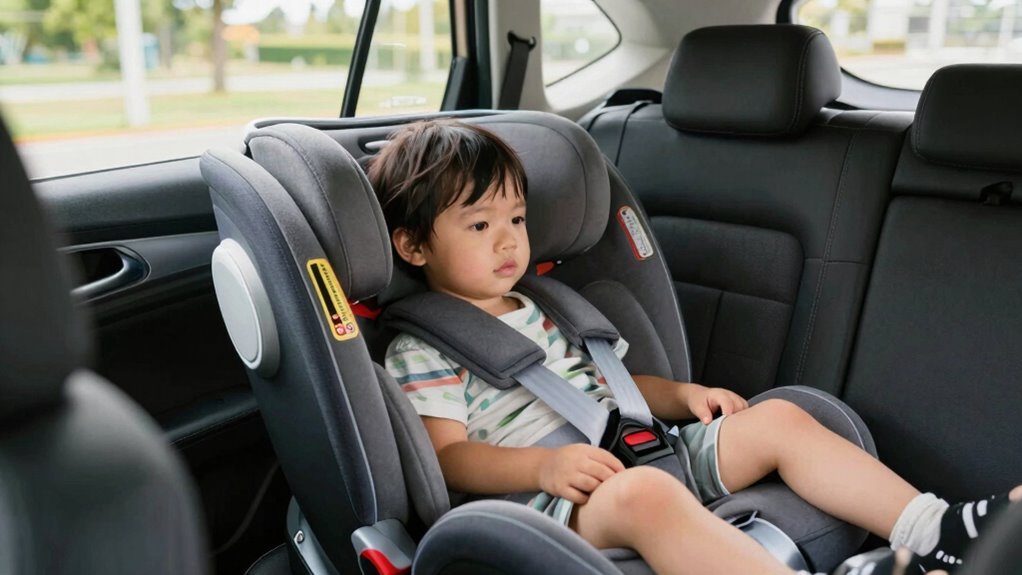
Explaining the importance of extended rear-facing to family and caregivers can sometimes be challenging, especially if they’re unfamiliar with current safety guidelines. To advocate effectively, share clear benefits like improved safety, reduced injury risk, and comfort for the child. Use relatable imagery to make your point:
- Visualize your child snugly cradled in the car seat, facing backward during every trip.
- Imagine how extended rear-facing aligns with car seat laws that prioritize safety.
- Remind them that booster seats are for older children, emphasizing why rear-facing is better for younger ones.
- Highlight that many caregivers mistakenly switch to front-facing too early, risking injury.
- Explain that keeping your child rear-facing longer isn’t just a preference, but a proven safety standard.
Your goal is to educate, support, and reassure that extended rear-facing is best.
Frequently Asked Questions
Are There Any Legal Restrictions on Rear-Facing Age Limits in My State?
Yes, state laws often set age restrictions for rear-facing car seats. You should check your state’s specific regulations to guarantee you’re compliant. Some states require children to stay rear-facing until at least age one or until they reach a certain weight or height. Always follow your state’s laws, as they’re designed to keep your child safe. Staying informed helps you make the best decisions for your child’s safety on the road.
How Do I Choose the Best Extended Rear-Facing Car Seat for My Child?
You should look for a car seat that prioritizes car seat safety and child comfort. Check for seats that fit your child’s height and weight, and make sure they have proper side-impact protection. Consider adjustable features for a better fit as your child grows. Read reviews and verify that the seat meets safety standards. Ultimately, choose a seat that’s easy for you to install correctly every time, ensuring maximum safety and comfort.
What Signs Indicate My Child Is Uncomfortable Rear-Facing?
If your child shows signs of discomfort, you might notice fussiness, arching their back, or trying to turn around. These are clues that they may need seat adjustments, such as repositioning the harness or changing the recline angle. Make sure the seat fits snugly and supports their head and neck properly. Regularly check for child discomfort, and adjust the seat accordingly to keep your little one safe and comfortable.
Can Extended Rear-Facing Seats Be Used in All Vehicle Types?
Did you know that 96% of new cars support extended rear-facing seats? You can generally use these seats in most vehicle types, but it’s important to check vehicle compatibility before purchasing. Proper seat installation is essential for safety, so always follow the manufacturer’s instructions and make sure the seat fits well in your car. If unsure, consult a professional to confirm that your child’s seat is correctly installed.
How Do I Handle Rear-Facing Installation in Smaller or Older Vehicles?
You handle rear-facing installation in smaller or older vehicles by checking seat belt compatibility first. Use installation tips like ensuring the seat fits snugly and the seat belt secures tightly without slack. If the seat belt isn’t compatible, consider a vehicle with a lower anchor system or an alternative seat that fits better. Always double-check the manufacturer’s instructions and get a professional inspection if needed to keep your child safe.
Conclusion
By now, you know that extended rear-facing is the safest choice for your child—more than just a wise rule of thumb, it’s backed by science and safety standards. Don’t let outdated myths or space concerns steer you away from this essential decision. Think of it as your modern-day knight’s armor—protecting your little one beyond the basics. Keep advocating for their safety, and you’ll be the hero in their journey to a secure, happy childhood.
Fall Picks
fall essentials
As an affiliate, we earn on qualifying purchases.