From birth to age five, your child’s protein needs grow rapidly to support healthy growth, brain development, and immune function. Infants get high-quality protein through breastfeeding, which provides all essential amino acids. As they start eating solid foods, incorporating vegetarian options like beans, lentils, tofu, nuts, and seeds can meet these needs. Ensuring a balanced mix of nutrient-dense foods helps your little one develop strong, healthy habits—if you continue exploring, you’ll discover how to optimize their diet even further.
Key Takeaways
- Infants (0-6 months) primarily need breast milk or formula, providing complete, high-quality protein for growth.
- Toddlers (6-12 months) require about 11 grams of protein daily, introduced through breast milk, formula, and solid foods.
- Children aged 1-3 years need approximately 13 grams of protein per day to support rapid growth and development.
- Preschoolers (3-5 years) require around 19 grams of protein daily for sustained growth and immune function.
- Incorporating diverse vegetarian protein sources like beans, tofu, and nuts helps meet protein needs during early childhood.
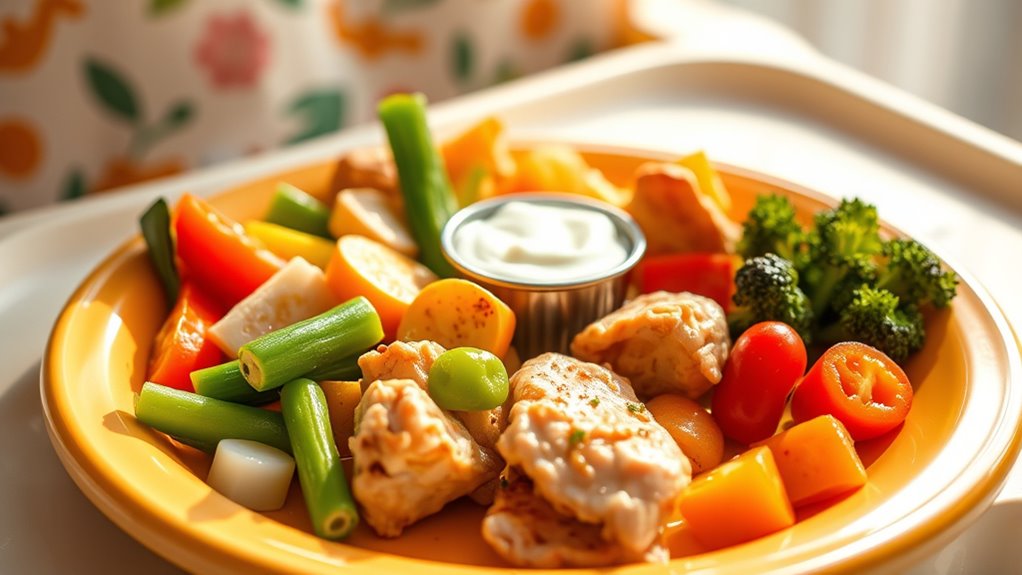
Understanding your child’s protein needs from birth to age five is essential for supporting healthy growth and development. Protein plays a vital role in building tissues, supporting immune function, and fueling brain development during these formative years. As a parent, you might wonder how to ensure your little one gets enough protein, especially if you’re breastfeeding or following a vegetarian diet. Knowing the benefits of breastfeeding and exploring vegetarian sources of protein can help you make informed choices that support your child’s health.
Breastfeeding benefits extend beyond providing optimal nutrition; it also supplies high-quality proteins perfectly tailored for your baby’s needs. Breast milk contains all the essential amino acids your infant requires for growth, making it a complete protein source. During the first six months, exclusive breastfeeding can meet your baby’s protein needs effectively. As your child grows and begins to eat solid foods, you’ll want to gradually introduce other sources of protein to support continued development. Breastfeeding also promotes better digestion and immune protection, which can be particularly beneficial during these early years when your child’s immune system is still maturing.
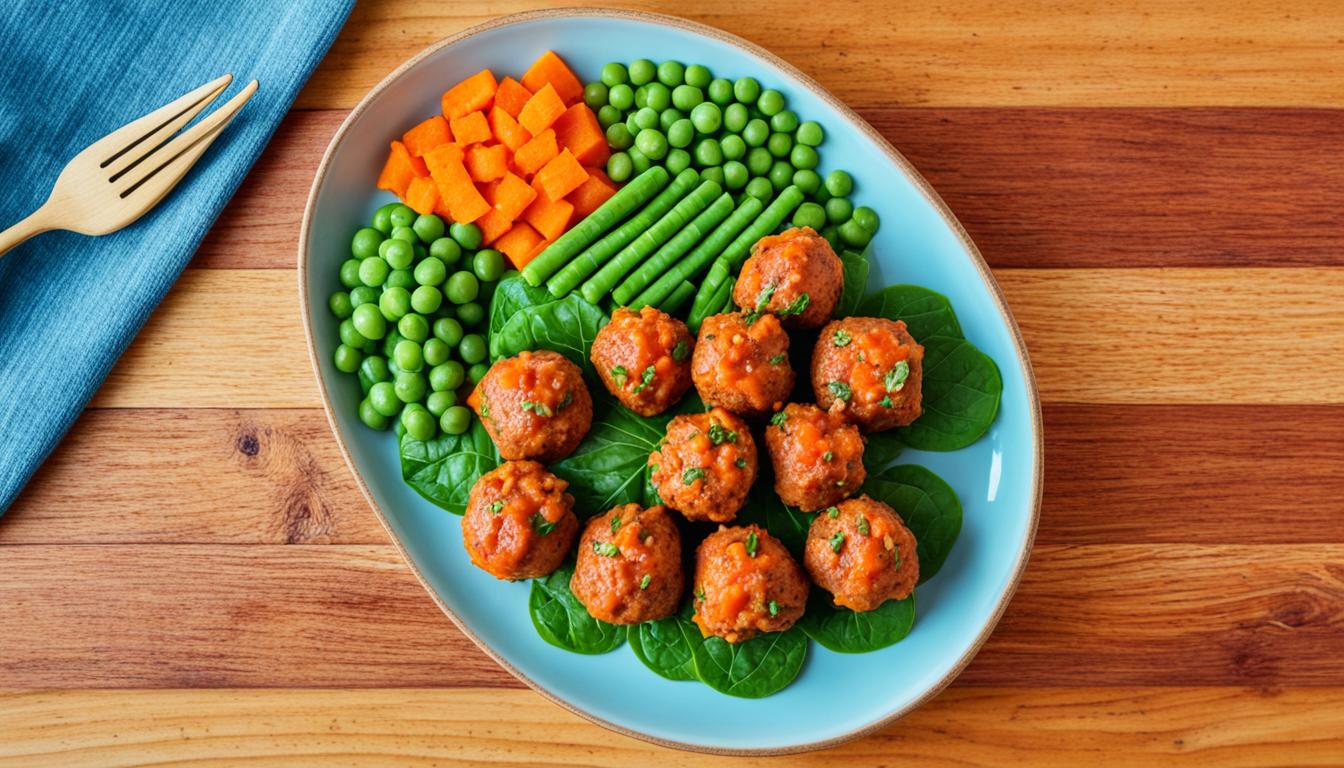
Once your child transitions to solid foods, incorporating vegetarian sources of protein becomes increasingly important, especially if you choose to follow a plant-based diet. Vegetarian sources like beans, lentils, tofu, peas, nuts, and seeds offer substantial amounts of protein and essential nutrients. For example, lentils and chickpeas are rich in protein and fiber, making them excellent choices for supporting your child’s growth while also helping develop healthy eating habits. Tofu and tempeh are versatile, protein-dense options that can be incorporated into various dishes, providing essential amino acids necessary for muscle development and overall health. Nuts and seeds, such as almond butter or chia seeds, can serve as nutritious snacks or additions to meals, offering both protein and healthy fats.
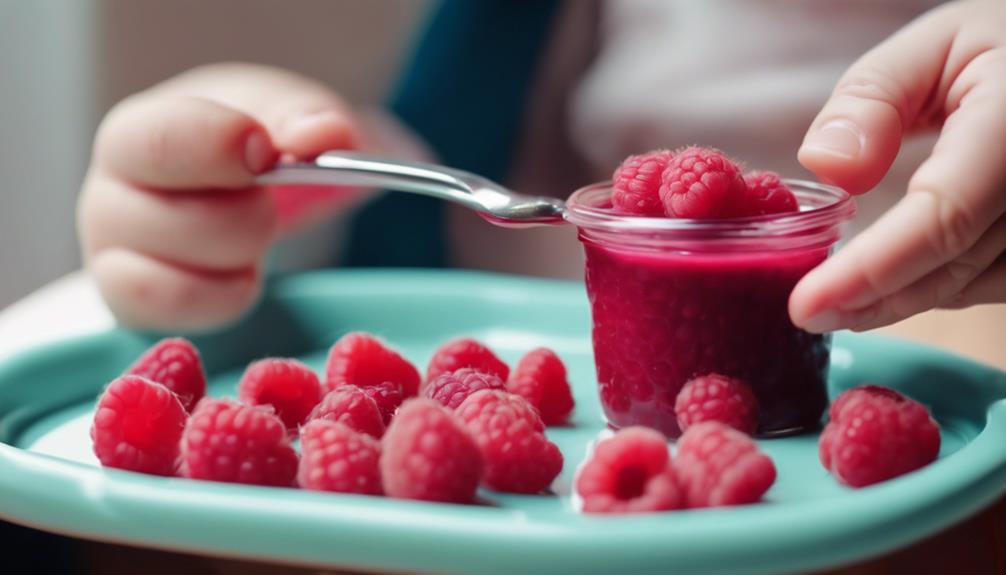
It’s important to guarantee your child’s diet is well-balanced, combining vegetarian sources with other nutrient-dense foods to meet their growing needs. While plant-based proteins are beneficial, they sometimes lack one or more essential amino acids, so combining different sources—like grains and legumes—can provide a complete amino acid profile. For younger children, pureed or mashed versions of these foods are suitable, gradually increasing texture as they develop chewing skills.
Frequently Asked Questions
How Can I Tell if My Toddler Is Getting Enough Protein?
You can tell if your toddler gets enough protein by observing their growth, energy, and overall health. Make certain they’re eating a variety of amino acid sources like lean meats, dairy, beans, and grains, which support proper protein digestion. If they’re actively growing, have steady energy, and their meals include diverse protein-rich foods, it’s a good sign they’re meeting their protein needs. Consult your pediatrician for personalized guidance.
Are Plant-Based Proteins Sufficient for Young Children’s Growth?
Plant-based sources can be sufficient for your young child’s growth if you include a variety of foods. While plant proteins often have different amino acid profiles than animal proteins, combining grains, beans, nuts, and seeds helps guarantee all essential amino acids are covered. Focus on offering diverse plant-based options daily, and consult with a pediatrician or nutritionist to make sure your child’s protein needs are fully met for healthy development.
What Are Signs of Protein Deficiency in Preschoolers?
If your preschooler shows signs of protein deficiency, you might notice slow growth, fatigue, or frequent infections. They may also have swelling, irritability, or poor muscle development. Be aware that vitamin deficiencies and food allergies can worsen these symptoms. make sure they get enough protein from diverse sources and consult a healthcare provider if you suspect deficiencies, especially if food allergies limit their intake or if you notice any concerning symptoms.
How Does Protein Intake Affect Brain Development in Early Childhood?
Protein intake plays a vital role in your child’s brain development, supporting neurodevelopmental benefits and enhancing cognitive function. When they consume enough protein, it helps build and repair neural tissues, improves memory, and boosts concentration. You can support this by offering a variety of protein-rich foods, ensuring your child gets the nutrients needed for essential brain growth and overall mental performance during early childhood.
Can Too Much Protein Harm My Child’s Health?
Too much protein can harm your child’s health through dietary excess or protein overdose. Overloading on protein may strain their kidneys, cause dehydration, or lead to weight gain. It’s important to follow recommended amounts based on their age and consult a healthcare professional if you’re unsure. Moderation guarantees your child gets enough nutrients without risking the negative effects of excess protein.
Conclusion
Knowing that toddlers need about 13 grams of protein daily, which is roughly the same as half a cup of cooked beans, highlights how easy it is to meet their needs. As your little one grows from birth to five, their protein requirements increase markedly to support rapid development. By offering a variety of nutritious foods, you can guarantee they get enough protein to stay healthy and thriving during these vital early years.