The best interactive board books invite children to touch, point, guess, or move a page while sharing a story. Press Here is my best overall pick for its simple, repeatable prompts, while Where’s Spot? and That’s Not My Puppy stand out for flap-based play and tactile discovery. The main tradeoffs are between sensory variety, hands-on mechanics, and the kind of learning or story a book supports. A book that delights a baby through textures may offer less to an older toddler than one with counting or imaginative prompts. Read on for the full breakdown and help matching a book to your child’s interests and stage.

Turn the school run and nap time into listening time
- Thousands of audiobooks, podcasts and originals
- Listen on your phone, tablet or Echo — also offline
- Cancel anytime
Complete the kit


Key Takeaways
- Press Here is the most flexible pick in this lineup: its simple prompts invite participation without relying on flaps, sliders, or a particular topic.
- Where’s Spot? and Dear Zoo use lift-the-flap play to build anticipation, but their appeal depends on children enjoying repeated hide-and-reveal interactions.
- That’s Not My Puppy and Ocean Friends put tactile exploration first, making them stronger choices for sensory play than for plot or structured learning.
- The Peekaboo books share a familiar reveal-based format; choosing among Pumpkin, Dog, Car, Dinosaur, and Love is mainly about the child’s interests and the theme’s fit.
- Books such as 123 Count with Me and Stir, Crack, Whisk, Bake add a clearer learning or pretend-play focus, but are less adaptable than open-ended action prompts.
| Ocean Friends: Touch and Feel Board Book |  | Best for Sensory Exploration | Format: Board book | Theme: Ocean friends | Interactive feature: Touch and feel | VIEW LATEST PRICE | See Our Full Breakdown |
| Peekaboo: Pumpkin |  | Best Seasonal Pick | Format: Interactive board book | Audience: Babies and toddlers | Interactive features: Mirror and sliders to push, pull, or turn | VIEW LATEST PRICE | See Our Full Breakdown |
| Where’s Spot?: A Lift-the-Flap Book |  | Best for Shared Hide-and-Seek Reading | Format: Lift-the-flap book | Interactive feature: Lift-the-flap search | Story focus: Finding Spot | VIEW LATEST PRICE | See Our Full Breakdown |
| Peekaboo: Dog |  | Best for Everyday Slider Play | Format: Interactive board book | Audience: Babies and toddlers | Interactive features: Mirror and push, pull, or turn sliders | VIEW LATEST PRICE | See Our Full Breakdown |
| Press Here (Board Book Edition) |  | Best for Action-Prompt Play | Format: Board book edition | Interactive actions: Press, tap, and shake | Artwork: Bright, colorful illustrations | VIEW LATEST PRICE | See Our Full Breakdown |
| Hoppity Frog: A Slide-and-Seek Book |  | Best for Simple Hide-and-Seek Play | Format: Slide-and-seek book | Featured character: Hoppity Frog | Interaction: Slide-and-seek | VIEW LATEST PRICE | See Our Full Breakdown |
| Imitation Book: Interactive Learn-to-Talk Board Book for Toddlers Ages 0–4 |  | Best for Early-Talking Practice | Format: Board book | Recommended age: 0–4 years | Author expertise: Speech therapist | VIEW LATEST PRICE | See Our Full Breakdown |
| Peekaboo: Car |  | Best for Variety of Hands-On Play | Format: Interactive board book | Audience: Babies and toddlers | Interactive features: Mirror and sliders | VIEW LATEST PRICE | See Our Full Breakdown |
| 123 Count with Me: An Interactive Numbers Book | 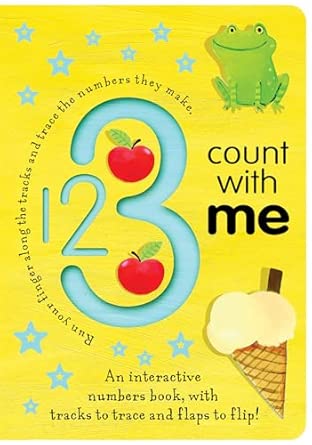 | Best for Tactile Number Learning | Format: Interactive children’s book | Title focus: Numbers and counting | Activities: Tracing number tracks and flipping flaps | VIEW LATEST PRICE | See Our Full Breakdown |
| Stir, Crack, Whisk, Bake: An Interactive Board Book About Baking for Toddlers and Kids |  | Best for Kitchen-Themed Play | Format: Board book | Topic: Baking | Audience: Toddlers and kids | VIEW LATEST PRICE | See Our Full Breakdown |
| Dear Zoo: A Lift-the-Flap Book |  | Best for Classic Flap Play | Format: Lift-the-flap picture book | Interactive feature: Liftable flaps | Theme: Zoo animals | VIEW LATEST PRICE | See Our Full Breakdown |
| That’s Not My Puppy: An Interactive Touch-and-Feel Book for Babies and Toddlers |  | Best for Tactile Sensory Play | Format: Interactive touch-and-feel book | Intended audience: Babies and toddlers | Theme: Puppy | VIEW LATEST PRICE | See Our Full Breakdown |
| What’s in My House?: A Slide-and-Find Book |  | Best for Home-Themed Discovery | Format: Slide-and-find book | Interactive feature: Sliding parts reveal content | Theme: Exploring a house | VIEW LATEST PRICE | See Our Full Breakdown |
| Peekaboo: Dinosaur: An Interactive Board Book for Babies & Toddlers |  | Best for Varied Hands-On Play | Format: Board book | Target audience: Babies and toddlers | Theme: Friendly dinosaurs | VIEW LATEST PRICE | See Our Full Breakdown |
| Peekaboo: Love (Peekaboo You) |  | Best for Cheerful Everyday Peekaboo | Format: Board book | Audience: Babies and toddlers | Interactive feature: Mirror | VIEW LATEST PRICE | See Our Full Breakdown |
| interactive board book | Format | Theme | Interactive feature | Audience |
|---|---|---|---|---|
| Ocean Friends: Touch and Feel | Board book | Ocean friends | Touch and feel | Not specified in the provided product data |
| Peekaboo: Pumpkin | Interactive board book | Halloween | — | Babies and toddlers |
| Where’s Spot?: A Lift-the-Flap | Lift-the-flap book | Finding a dog | Lift-the-flap search | Not specified in the provided product data |
| Peekaboo: Dog | Interactive board book | Dogs and puppies | — | Babies and toddlers |
| Press Here | Board book edition | — | — | — |
| Hoppity Frog: A Slide-and-Seek | Slide-and-seek book | — | — | — |
| Imitation Book: Interactive Le | Board book | — | — | Toddlers |
| Peekaboo: Car | Interactive board book | Vehicles | — | Babies and toddlers |
| 123 Count with Me: An Interact | Interactive children’s book | — | — | — |
| Stir | Board book | — | — | Toddlers and kids |
| Dear Zoo: A Lift-the-Flap Book | Lift-the-flap picture book | Zoo animals | Liftable flaps | — |
| That’s Not My Puppy: An Intera | Interactive touch-and-feel book | Puppy | Tactile patches | — |
| What’s in My House?: A Slide-a | Slide-and-find book | Exploring a house | Sliding parts reveal content | — |
| Peekaboo: Dinosaur: An Interac | Board book | Friendly dinosaurs | Mirror | — |
| Peekaboo: Love | Board book | — | Mirror | Babies and toddlers |
More Details on Our Top Picks
Ocean Friends: Touch and Feel Board Book
Ocean Friends is the clearest pick here for babies who explore books through touch. Its touch-and-feel format gives little hands a sensory activity on the page, while the ocean theme offers a change from the puppy and seasonal characters in Peekaboo: Dog and Peekaboo: Pumpkin. The sturdy board-book format suits young readers who are still learning how to handle pages. Compared with Press Here, which prompts actions like pressing and shaking, this book’s interaction is tactile rather than movement-based. The tradeoff is limited detail in the available product information: I can’t tell how many textures it includes, how the pages are arranged, or whether it adds other activities. Choose it for a simple sensory read, not a feature-rich playbook.
Pros:- Touch-and-feel format invites hands-on sensory exploration
- Ocean-friend theme offers an alternative to the lineup’s dog and Halloween books
- Board-book format is suited to handling by young children
Cons:- Available details do not describe the textures or how many tactile features are included
- No stated sliders, flaps, mirror, or other interactive mechanisms
Best for: Caregivers seeking a sturdy, ocean-themed first book that gives babies a tactile way to explore pages
Not ideal for: Shoppers wanting specified sliders, flaps, mirrors, or a range of activities, since the available details only confirm touch-and-feel content
- Format:Board book
- Theme:Ocean friends
- Interactive feature:Touch and feel
- Audience:Not specified in the provided product data
- Page count:Not specified in the provided product data
- Dimensions:Not specified in the provided product data
Our verdict“Choose Ocean Friends for a straightforward tactile read with an ocean theme, but pick Press Here or a Peekaboo title if you want more clearly specified actions.”
Peekaboo: Pumpkin
Peekaboo: Pumpkin brings a Halloween setting to the lineup’s push-and-pull play, pairing sliders and a mirror with characters such as a bat, black cat, and witch. Those moving parts give babies and toddlers something to operate as they explore the pages, while the mirror adds a different kind of discovery from the sliders in Peekaboo: Dog. I’d choose this version for families who want a seasonal book rather than a year-round animal theme. That focus is also its main limitation: Halloween imagery may get less use outside the season, and the supplied details don’t specify construction or how many slider actions appear. Compared with Press Here, it offers physical page mechanisms instead of prompts to tap, press, and shake.
Pros:- Sliders invite babies and toddlers to push, pull, or turn
- Mirror provides an interactive feature distinct from the sliders
- Halloween characters give the book a clear seasonal identity
- Designed for babies and toddlers
Cons:- Halloween theme may have less appeal as a regular year-round read
- Available details don’t specify slider count or mechanism durability
Best for: Families looking for a Halloween-themed interactive book for babies or toddlers, especially as a seasonal read
Not ideal for: Buyers seeking a year-round theme or wanting details about the number and construction of its moving parts
- Format:Interactive board book
- Audience:Babies and toddlers
- Interactive features:Mirror and sliders to push, pull, or turn
- Theme:Halloween
- Featured characters:Bat, black cat, and witch
- Page count:Not specified in the provided product data
- Dimensions:Not specified in the provided product data
Our verdict“Pick Peekaboo: Pumpkin for seasonal slider-and-mirror play; choose Peekaboo: Dog for a more everyday animal theme.”
Where’s Spot?: A Lift-the-Flap Book
Where’s Spot? centers its interaction on a simple, repeatable question: where is Spot? The lift-the-flap format lets young readers search the page and reveal what is hidden, making the act of reading feel like a shared game rather than a series of instructions. Compared with the sliders in Peekaboo: Dog, flaps offer a clear reveal-and-repeat rhythm; compared with Press Here, the interaction is tied to finding a character, not following action prompts. The supplied information gives no further construction, age, or page details, so I can’t judge flap count or sturdiness. Flaps also call for gentler handling than a solid board page. This is a focused choice for caregivers who want a familiar search activity, not a book with several kinds of mechanisms.
Pros:- Lift-the-flap interaction gives children a clear search-and-reveal activity
- Finding Spot creates a repeatable shared-reading prompt
- Its focused format differs from the sliders and action prompts elsewhere in the lineup
Cons:- Product data does not confirm board-book construction or flap durability
- Available details don’t specify the number of flaps or other interactive features
Best for: Caregivers who want a simple, repeatable hide-and-seek read to share with a young child
Not ideal for: Families looking for confirmed board-book construction, multiple interactive mechanisms, or stated durability details
- Format:Lift-the-flap book
- Interactive feature:Lift-the-flap search
- Story focus:Finding Spot
- Theme:Finding a dog
- Board-book construction:Not specified in the provided product data
- Audience:Not specified in the provided product data
Our verdict“Choose Where’s Spot? for a focused flap-based search game, but favor Peekaboo: Dog if you specifically want a board book with sliders and a mirror.”
Peekaboo: Dog
Peekaboo: Dog is the more everyday counterpart to Peekaboo: Pumpkin: puppy imagery keeps the theme broad, while push, pull, or turn sliders give babies and toddlers a direct way to change what they see. The included mirror adds a second kind of interaction, so the experience isn’t limited to moving pieces. That combination makes it a strong fit for young readers drawn to dogs and hands-on page play. Unlike Where’s Spot?, which makes finding a character the central game, this book foregrounds sliders and reflection. The tradeoff is that the available description doesn’t specify how many sliders it has or how they hold up to repeated use. Choose it for accessible puppy-themed mechanics, not a detailed search story.
Pros:- Sliders let children push, pull, or turn page elements
- Mirror adds an interaction beyond the moving sliders
- Puppy theme is less seasonal than Peekaboo: Pumpkin
- Designed for babies and toddlers
Cons:- Available details don’t state the number of sliders or how they are used across pages
- No construction or durability specifics are provided for the moving parts
Best for: Caregivers of babies or toddlers who enjoy puppies and benefit from simple sliders and a mirror
Not ideal for: Buyers who prefer flap-based story searches or need specific information about slider count and durability
- Format:Interactive board book
- Audience:Babies and toddlers
- Interactive features:Mirror and push, pull, or turn sliders
- Theme:Dogs and puppies
- Page count:Not specified in the provided product data
- Dimensions:Not specified in the provided product data
Our verdict“Choose Peekaboo: Dog for an everyday puppy-themed book with sliders and a mirror; choose Where’s Spot? for a flap-led search game.”
Press Here (Board Book Edition)
Press Here turns the child’s actions into the main event: readers are invited to press, tap, and shake the pages for surprising results. That makes it a different kind of interactive pick from Peekaboo: Dog, where sliders and a mirror provide tangible mechanisms, and from Where’s Spot?, which builds play around a hidden character. The sturdy board format and toddler-friendly size are described as easy for little hands to manage, while the bright artwork supports attention during the action prompts. The tradeoff is a more limited amount of content than the paperback edition, and the interactive spots may wear with heavy use. I’d choose this when the child enjoys following playful directions, rather than when flaps, textures, or moving parts are the priority.
Pros:- Press, tap, and shake prompts invite active participation
- Sturdy board pages are suited to little hands
- Bright illustrations support visual engagement
- Toddler-friendly size is described as easy to hold
Cons:- Board-book edition has less content than the paperback version
- Interactive spots may wear with heavy use
Best for: Families with toddlers who enjoy copying simple actions and want a sturdy book they can hold and explore
Not ideal for: Readers seeking a longer-format edition or physical sliders, flaps, and textures to manipulate
- Format:Board book edition
- Interactive actions:Press, tap, and shake
- Artwork:Bright, colorful illustrations
- Intended handling:Sized for toddlers to hold and explore
- Edition comparison:Less content than the paperback edition
- Wear consideration:Interactive spots may wear with heavy use
Our verdict“Choose Press Here for action prompts and sturdy toddler handling, but pick a Peekaboo title if physical sliders and a mirror matter more.”
Hoppity Frog: A Slide-and-Seek Book
Hoppity Frog suits families looking for an easy-to-understand interaction: children slide parts of the book to take part in a seek-and-find game. That focused mechanic gives it a different feel from Where’s Spot?, which centers on lifting flaps, and Peekaboo: Car, which offers several kinds of sliders plus a mirror. The narrower premise may make this a straightforward first choice for toddlers who enjoy repetition, but the available product details do not specify its age range, number of moving parts, or story length. I would choose it for a simple cause-and-effect play session, not for a book with a clearly documented mix of learning activities. The limited information also makes durability and complexity hard to compare with the other options.
Pros:- Slide-and-seek format gives the child a clear hands-on task
- Focused mechanic is easy to explain and repeat
- Hoppity Frog provides a character-led alternative to vehicle or animal peekaboo themes
Cons:- Available product information does not specify age guidance or the number of interactive elements
- The single described play style offers less variety than Peekaboo: Car’s sliders and mirror
- No details are provided about story length, materials, or construction
Best for: Caregivers seeking a simple slide-and-seek interaction for a toddler who enjoys repeated reveal games
Not ideal for: Buyers who want confirmed age guidance, multiple activity types, or detailed information about the book’s moving parts
- Format:Slide-and-seek book
- Featured character:Hoppity Frog
- Interaction:Slide-and-seek
- Product type:Interactive children’s book
- Age guidance:Not provided
- Board-book format:Not specified
Our verdict“Choose Hoppity Frog for straightforward slide-and-seek play, but pick a better-documented option if you want varied activities or clear age guidance.”
Imitation Book: Interactive Learn-to-Talk Board Book for Toddlers Ages 0–4
Imitation Book is the clearest fit here for caregivers who want interaction to support spoken language, rather than just reveal a picture or invite a counting game. Its learn-to-talk purpose and speech therapist author distinguish it from 123 Count with Me, which focuses on number tracks and flaps, and from Peekaboo: Car, which emphasizes physical play. The stated 0–4 age range spans babies through preschoolers, though children in that range will engage at different levels. This book makes the most sense when an adult is ready to join in and encourage imitation; the product details do not specify particular prompts, speech skills, or activity sequences. Families seeking a story-led read or a clearly described set of games may prefer an option with more detail about its contents.
Pros:- Designed to encourage early talking
- Written by a speech therapist
- Board-book format suits the stated baby-to-preschool audience
Cons:- Available information does not describe the prompts or specific speech skills covered
- Its language-practice focus may be less appealing to children seeking varied mechanical play
- The broad 0–4 age range does not clarify how activities change for different developmental stages
Best for: Caregivers of babies and toddlers who want shared reading to include opportunities for vocal imitation and early talking
Not ideal for: Buyers who want a detailed description of specific speech activities or a primarily story-based interactive book
- Format:Board book
- Recommended age:0–4 years
- Author expertise:Speech therapist
- Primary focus:Learn-to-talk practice
- Intended interaction:Encourages toddlers to practice talking
- Audience:Toddlers
Our verdict“Pick this for adult-guided early-talking practice, and choose Peekaboo: Car or 123 Count with Me if hands-on play or number activities matter more.”
Peekaboo: Car
Peekaboo: Car stands out for combining more than one kind of physical interaction: children can push, pull, or turn sliders, then find a mirror among the vehicle-and-tool artwork. That mix gives it more tactile variety than Hoppity Frog, whose described activity is slide-and-seek, while 123 Count with Me channels hands-on play toward tracing numbers and lifting flaps. The vehicle theme can help the book hold attention for babies and toddlers drawn to trucks and buses, and the mirror adds a different visual payoff. The tradeoff is that its appeal is tied to that theme, and the supplied details do not identify a learning focus or explain how many mechanisms the book contains. Choose it for playful exploration, not a structured early-learning lesson.
Pros:- Sliders can be pushed, pulled, or turned for varied hand movements
- Mirror adds a distinct visual element beyond the sliders
- Vehicle and tool artwork gives the interactions a recognizable theme
- Intended for both babies and toddlers
Cons:- Vehicle-and-tool theme may not suit every child’s interests
- No specific educational focus is stated
- Available details do not specify the number or complexity of the sliders
Best for: Families with babies or toddlers who enjoy vehicles and benefit from several types of simple hands-on interaction
Not ideal for: Caregivers seeking a specific learning curriculum, or children uninterested in vehicles and tools
- Format:Interactive board book
- Audience:Babies and toddlers
- Interactive features:Mirror and sliders
- Slider actions:Push, pull, or turn
- Artwork:Truck, bus, tools, and more
- Theme:Vehicles
Our verdict“Choose Peekaboo: Car for varied vehicle-themed manipulation, but pick Imitation Book for language practice or 123 Count with Me for number activities.”
123 Count with Me: An Interactive Numbers Book
123 Count with Me gives interaction a specific job: children trace number tracks and flip flaps while exploring counting. That makes it a more focused early-learning choice than Peekaboo: Car, whose mirror and sliders favor open-ended play, and a better match for number interest than Imitation Book, which targets talking. The combination of tracing and flap-lifting offers two ways to participate, so the book is not limited to looking at numerals. However, the supplied details do not state the number range, whether counting words or quantities are included, or the age recommendation. I would choose it for a child ready to engage with numbers through touch, while skipping it if you need a clearly stated progression or a broader story-and-play experience.
Pros:- Number tracks invite children to trace as they explore
- Flaps add a second interactive activity
- Hands-on format links number learning with physical participation
Cons:- Available details do not specify the number range or learning progression
- No recommended age is provided
- The number-learning focus is narrower than the open-ended play in Peekaboo: Car
Best for: Caregivers seeking a hands-on introduction to numbers for a child who enjoys tracing and lifting flaps
Not ideal for: Buyers who need a stated age range, a defined number sequence, or interactive play beyond early numeracy
- Format:Interactive children’s book
- Title focus:Numbers and counting
- Activities:Tracing number tracks and flipping flaps
- Tracing feature:Number tracks
- Flap feature:Interactive flaps
- Recommended age:Not provided
Our verdict“Choose this for tactile early-number exploration, but compare it with Imitation Book if your priority is language rather than counting.”
Stir, Crack, Whisk, Bake: An Interactive Board Book About Baking for Toddlers and Kids
Stir, Crack, Whisk, Bake brings an everyday activity into an interactive board-book format, making it the most distinctive theme in this group. Its baking focus separates it from the vehicle play of Peekaboo: Car and the number practice in 123 Count with Me; it may particularly suit children who like helping in the kitchen or watching food being prepared. The board-book format is stated, and the publisher is America’s Test Kitchen Kids. Still, the available description does not identify the specific actions children perform, so I would not assume it includes pretend recipes, flaps, or step-by-step cooking tasks. That lack of activity detail makes it harder to judge how interactive it is compared with the clearly described sliders in Peekaboo: Car. Choose it for its subject and format, with that uncertainty in mind.
Pros:- Baking theme offers a distinct subject compared with vehicle and number-focused books
- Board-book format is specified
- Published by America’s Test Kitchen Kids
- Intended for toddlers and kids
Cons:- Available details do not describe the specific interactive activities
- The stated age description does not give a narrower recommended age range
- Less clear how its hands-on play compares with books that list specific sliders, flaps, or tracing activities
Best for: Families with toddlers or kids who are interested in baking and want a board book built around kitchen activities
Not ideal for: Buyers who want confirmed interactive mechanisms or a clearly described learning activity before choosing
- Format:Board book
- Topic:Baking
- Audience:Toddlers and kids
- Publisher:America’s Test Kitchen Kids
- Interactive details:Not specified
- ASIN:1492677736
Our verdict“Choose this for a child drawn to baking, but pick Peekaboo: Car if clearly described hands-on mechanisms are your main priority.”
Dear Zoo: A Lift-the-Flap Book
Dear Zoo suits families who want a simple reveal-and-name routine rather than a book with sliders, mirrors, or textures. Its lift-the-flap format gives young readers a clear job on each page: open a flap and discover what is there. That makes it an approachable choice for shared reading and early participation. Compared with Where’s Spot?, another flap-based option in this roundup, its appeal rests on the animal-gift premise rather than a search for one particular character. The supplied details do not specify the flap count, board construction, or age range, so I would check the edition before buying for a child who handles books roughly. It also offers less varied hand activity than Peekaboo: Dinosaur, which adds sliders and a mirror.
Pros:- Lift-the-flap interaction gives children an active role in each reading session.
- Animal reveals provide an easy prompt for naming and talking together.
- A simple format can suit children who are new to interactive books.
Cons:- Available product details do not confirm the number or size of flaps.
- No tactile, mirror, or slider features are specified, so the interaction is narrower than Peekaboo: Dinosaur.
- Board-book construction and intended age range are not provided.
Best for: Caregivers seeking a straightforward animal-themed flap book for a child who enjoys opening hidden panels during shared reading.
Not ideal for: Buyers looking for tactile patches, moving sliders, a mirror, or confirmed board-book construction; those features are not specified here.
- Format:Lift-the-flap picture book
- Interactive feature:Liftable flaps
- Theme:Zoo animals
- Book type:Picture book
- Intended audience:Young children
- ASIN:141694737X
Our verdict“Choose Dear Zoo for classic animal flap reveals, but check the edition if sturdy board pages or richer hands-on play are priorities.”
That’s Not My Puppy: An Interactive Touch-and-Feel Book for Babies and Toddlers
That’s Not My Puppy is the clearest pick here for babies and toddlers who explore books through touch. Its tactile patches give little hands a reason to pause on each page, while the puppy theme keeps the experience familiar and easy to talk about. Compared with Dear Zoo, which centers on lifting flaps to reveal animals, this book favors sensory exploration over surprise reveals. It also offers a different kind of interaction from Peekaboo: Love, whose sliders and mirror invite pushing, pulling, and turning. That focused format is a strength for a first hands-on book, but it means less variety in the actions children can try. The supplied details do not specify the number of patches, page count, or construction, so buyers seeking those specifics should check the edition.
Pros:- Tactile patches make touch a central part of reading.
- Designed for babies and toddlers.
- Puppy subject offers a familiar focus for shared naming and conversation.
- Part of the That’s Not My… series, which may suit families seeking related titles.
Cons:- The interaction centers on touch rather than varied actions like sliding or lifting.
- The supplied details do not specify patch count or page count.
- Board-book construction is not confirmed in the provided product information.
Best for: Caregivers choosing a first interactive book for a baby or toddler who enjoys feeling different textures while looking at a familiar animal.
Not ideal for: Families seeking multiple mechanical actions such as sliders, turning parts, or a mirror, or buyers who need confirmed construction and page details.
- Format:Interactive touch-and-feel book
- Intended audience:Babies and toddlers
- Theme:Puppy
- Interactive feature:Tactile patches
- Series:That’s Not My…
- ASIN:1805317180
Our verdict“Pick this title for texture-led reading with a baby or toddler, rather than for varied moving parts.”
What’s in My House?: A Slide-and-Find Book
What’s in My House? brings interaction into a familiar setting: children slide parts of the book to discover what is inside a house. That slide-and-find format gives the activity a discovery focus, setting it apart from the tactile patches in That’s Not My Puppy and the flap reveals in Dear Zoo. It makes the most sense for a child who likes searching and uncovering surprises, especially when an adult can name the things found along the way. The available description does not identify the specific objects, the number of sliding mechanisms, or an age range, so I would not choose it based on a particular learning theme without checking the edition. Compared with Peekaboo: Dinosaur, it is described around a house-based search rather than a mix of sliders and a mirror.
Pros:- Slide-and-find interaction encourages children to explore and reveal hidden content.
- House setting offers a familiar context for shared discussion.
- The search mechanic differs from flap-only and touch-and-feel formats in the lineup.
Cons:- The supplied details do not say what items children discover inside the house.
- The number and durability of sliding mechanisms are not specified.
- No target age or board-book construction is confirmed in the provided description.
Best for: Adults looking for a home-themed discovery book for a child who enjoys sliding parts to reveal hidden items.
Not ideal for: Buyers who want confirmed animal content, tactile textures, a mirror, or detailed information about the moving parts and age range.
- Format:Slide-and-find book
- Interactive feature:Sliding parts reveal content
- Theme:Exploring a house
- Activity:Finding what is inside
- ASIN:0312525575
- Page count:Not specified in the provided product details
Our verdict“Choose this for home-themed sliding discoveries, but check the edition if the specific content or construction matters to you.”
Peekaboo: Dinosaur: An Interactive Board Book for Babies & Toddlers
Peekaboo: Dinosaur earns its place by combining more than one kind of interaction: babies and toddlers can use sliders and a mirror while meeting friendly dinosaurs. That variety gives it a broader play range than That’s Not My Puppy, which centers on tactile patches, and a more hands-on setup than the flap-focused Dear Zoo. Its board-book format is also explicitly stated, making it a more clearly specified choice for very young readers than several titles here. The tradeoff is that the playful mechanisms and dinosaur theme may be less appealing to children who prefer familiar household objects or sensory textures. The supplied description does not detail the number of sliders or how they move, so buyers should expect variety of interaction, not a specified level of complexity.
Pros:- Board-book format is specified for a baby and toddler audience.
- Mirror and sliders offer different ways to interact with the pages.
- Friendly dinosaur artwork gives the book a clear theme.
- Push, pull, or turn actions invite active participation.
Cons:- The dinosaur theme may not suit children who prefer everyday subjects.
- The supplied details do not specify the number or layout of sliders.
- It offers less emphasis on tactile textures than That’s Not My Puppy.
Best for: Caregivers seeking a clearly identified board book for babies or toddlers who enjoy dinosaurs and several kinds of hands-on play.
Not ideal for: Families whose child prefers touch-and-feel textures, a home-based theme, or a simple single-action format.
- Format:Board book
- Target audience:Babies and toddlers
- Theme:Friendly dinosaurs
- Interactive feature:Mirror
- Interactive feature:Sliders
- Slider actions:Push, pull, or turn
- Artwork:Cute dinosaur illustrations
- ASIN:1536241466
Our verdict“Choose Peekaboo: Dinosaur when you want a baby-friendly board book with both sliders and a mirror, rather than a texture-led or flap-led experience.”
Peekaboo: Love (Peekaboo You)
Peekaboo: Love pairs a baby-friendly board-book format with a mirror and sliders, giving young readers several ways to take part. Its strawberry, rainbow, and ladybug imagery creates a bright, broad subject mix rather than the focused dinosaur theme of Peekaboo: Dinosaur. Both titles share the same general appeal of mirror-and-slider play; this one makes more sense for families who want charming everyday images instead of animal-centered pages. The supplied details do not explain how many sliders are included or what each one reveals, which limits how specifically I can compare the mechanics. And while its moving pieces add more action than That’s Not My Puppy‘s touch-led format, it does not list tactile patches. Choose it for visual variety and simple hands-on exploration, not for sensory textures.
Pros:- Board-book format is specified for babies and toddlers.
- Mirror and sliders support hands-on peekaboo play.
- Artwork includes colorful images such as a strawberry, rainbow, and ladybug.
- Offers a broader image mix than the dinosaur-specific Peekaboo: Dinosaur.
Cons:- The supplied details do not specify the number or purpose of the sliders.
- No tactile patches are listed, unlike That’s Not My Puppy.
- The range of imagery may be less focused for children seeking one clear theme.
Best for: Caregivers seeking a board book for babies or toddlers who enjoy sliders, a mirror, and colorful non-dinosaur imagery.
Not ideal for: Buyers looking for tactile patches, a focused animal theme, or detailed information about each slider’s action.
- Format:Board book
- Audience:Babies and toddlers
- Interactive feature:Mirror
- Interactive feature:Sliders
- Slider actions:Push, pull, or turn
- Artwork includes:Strawberry, rainbow, and ladybug
- ASIN:1536220205
Our verdict“Pick Peekaboo: Love for colorful, varied imagery paired with mirror-and-slider play, but choose That’s Not My Puppy for texture exploration.”

How We Picked
I compared these books by how clearly their interactive feature supports shared reading: does it invite a child to touch, search, move, count, imitate, or respond? I also weighed age and motor-skill fit, the amount of adult participation needed, the appeal of the theme, and whether the book offers reasons to revisit it beyond a single novelty moment. For board books, the practicality of handling is part of the experience, so I considered whether the format seems suited to repeated use by young readers.
The ranking favors books with accessible, repeatable interaction and broad read-aloud appeal, which puts Press Here first. Books with a narrower but useful strength follow: flap books suit prediction and discovery, touch-and-feel titles emphasize sensory exploration, and counting or baking books add a more specific activity. A lower position does not mean a book is a poor fit; it reflects a more limited audience or a more specialized kind of play compared with the picks above it.
| interactive board book | Audience |
|---|---|
| Ocean Friends: Touch and Feel | Not specified in the provided product data |
| Peekaboo: Pumpkin | Babies and toddlers |
| Where’s Spot?: A Lift-the-Flap | Not specified in the provided product data |
| Peekaboo: Dog | Babies and toddlers |
| Press Here | — |
| Hoppity Frog: A Slide-and-Seek | — |
| Imitation Book: Interactive Le | Toddlers |
| Peekaboo: Car | Babies and toddlers |
| 123 Count with Me: An Interact | — |
| Stir | Toddlers and kids |
| Dear Zoo: A Lift-the-Flap Book | — |
| That’s Not My Puppy: An Intera | — |
| What’s in My House?: A Slide-a | — |
| Peekaboo: Dinosaur: An Interac | — |
| Peekaboo: Love | Babies and toddlers |
Factors to Consider When Choosing Best Interactive Board Books
Interactive books differ less by how many moving parts they have than by what they ask a child to do. I’d match the interaction to the child’s attention, interests, and developing skills, then think about how the book will be used at home or on the go.
Match the interaction to the child’s current skills
A baby may enjoy textures or a caregiver-led peekaboo reveal before being ready to lift a flap independently. Toddlers often take more pleasure in pointing, searching, copying actions, and trying simple page mechanisms themselves. Avoid choosing a book only because it promises many activities; a mechanism that is hard for small hands can turn a shared read into adult page-turning. If the child is still developing fine-motor control, prioritize clear, low-effort participation over intricate movement. Older toddlers may stay engaged longer when the interaction asks them to predict, count, or make a choice.
Choose a play pattern you’ll enjoy repeating
Many interactive board books rely on a repeatable loop: ask, pause, reveal, and respond. That repetition can help a young child anticipate what comes next, but it may feel limited to an adult hoping for a changing storyline. Open-ended prompts suit families who like to add their own voices and gestures; lift-the-flap and peekaboo formats offer a more structured surprise. Think about whether your child prefers knowing the pattern and joining in or being surprised each time. A simple format can be a strength when it gives the child a reliable chance to participate.
Treat sensory features as a play priority, not a bonus
Touch-and-feel books make sense when exploring surfaces is part of the goal, particularly for children who enjoy handling a page while listening. They may offer less room for counting, prediction, or story discussion than books built around those activities. Consider whether different textures are likely to hold your child’s interest and whether an adult can guide attention to them during reading. A tactile book does not need a complex plot to be useful, but it may not be the best single choice for a family seeking varied prompts. If you want both sensory and narrative play, pair formats rather than expecting one title to do everything.
Pick a theme the child will return to
Familiar subjects such as animals and vehicles can help a young child connect a book to everyday words and interests. A highly specific theme, such as baking or dinosaurs, can be a strong draw for one child and a reason another leaves the book untouched. Use the child’s current fascinations as a guide, but avoid assuming that a favorite topic automatically makes the interaction age-appropriate. For a gift, a broad theme may suit a wider range of children; for a child you know well, a focused subject can feel more personal. Theme and interaction work best together: the activity should make the subject more engaging, not merely decorate it.
Look beyond the number of activities
Several kinds of interaction in one book can sound appealing, but variety only helps when the child can follow the prompts and the activities feel connected. A focused book may be easier to revisit because its central game is clear and repeatable. Before choosing, ask whether you want a quick shared read, a learning prompt, a sensory experience, or a make-believe activity; these goals are not interchangeable. It is also easy to overvalue novelty and overlook whether an adult will need to guide every step. When choosing between a broad, open-ended book and a specialized one, prioritize the kind of shared moment you expect to have most often.
Factor in who will read and where the book will go
Some interactive formats work best when an adult pauses, asks questions, and gives the child time to respond. Others make the participation more visible and may be easier for a child to revisit with less guidance. If the book is mainly for bedtime or a quick outing, consider whether its activity suits a calm, short read rather than requiring a long setup. Think about the reader, too: a caregiver who enjoys playful voices may get more from a prompt-driven title, while a child exploring independently may prefer simple, direct actions. Choose for the way the book will actually be shared, not just for the features listed on its cover.
Frequently Asked Questions
Which type of interactive board book is a good first choice for a baby?
For a young baby, start with an interaction an adult can lead, such as a simple reveal or a touch-and-feel feature. The child does not need to operate a mechanism for the book to be engaging; looking, listening, reaching, and reacting all count as participation. As hand control and attention grow, you can introduce books that invite pointing, searching, or moving a page. A first book should fit the child’s responses now rather than aiming at skills they may develop later. Among this lineup, sensory and peekaboo formats offer clear starting points, while Press Here works well when the caregiver enjoys prompting actions.
Are lift-the-flap books or touch-and-feel books better for toddlers?
Neither format is universally better: they support different kinds of play. Flaps invite a toddler to predict what is hidden and take part in a reveal, while textured pages encourage hands-on sensory exploration. Choose flaps if your child likes surprises, searching, and repeated question-and-answer routines. Choose touch-and-feel if they are drawn to surfaces and enjoy exploring at their own pace. If you are unsure, follow the child’s current play habits instead of buying based on age alone.
Should I choose an educational board book or one focused on play?
Look for the experience you want to share, rather than treating learning and play as opposites. A counting title gives a read-aloud a more defined number focus, while an open-ended action book can invite conversation, imitation, and experimentation. Children may engage more readily with a learning topic when the activity feels like play, but a book with a clear lesson can be useful when you want to practice a particular concept. For a first purchase, a flexible format may suit more moods; a focused book makes more sense when the child already shows interest in its subject. The best choice is the one that makes you and the child want to revisit the interaction.
Is one Peekaboo book enough, or is it worth choosing several themes?
One Peekaboo title can be plenty if the child enjoys its reveal pattern; the different books share a familiar style, so adding another mainly changes the subject rather than the basic play. A second theme can make sense when it reflects a strong new interest, such as vehicles or dinosaurs, or when you want a small rotation of familiar books. If you want a different kind of interaction, pairing a Peekaboo title with a counting, tactile, or open-ended action book adds more variety than buying several similar formats. For a gift, one well-matched theme is usually a more thoughtful choice than a stack selected only for quantity. Let the child’s topic preferences guide any follow-up.
What should I choose for a toddler who loses interest quickly?
Choose a book with short, obvious turns and a theme the child already likes. A child who wants to act may respond better to prompts they can follow than to a longer search or a concept that takes time to explain. Keep the reading flexible: stopping after a few pages or repeating a favorite interaction can be more successful than trying to finish the book. A predictable reveal may help some children stay involved, while open-ended prompts can suit children who prefer to move or make choices. If attention is brief, prioritize easy participation over the number of features.
Conclusion
My best overall choice is Press Here for families seeking flexible prompts and repeatable participation. For a best value pick, I’d choose Where’s Spot? when a child enjoys familiar hide-and-reveal play and a straightforward read-aloud; for a best premium-style experience, pick the format that best matches your child’s interests, with Stir, Crack, Whisk, Bake offering a more focused pretend-play theme. Beginners may prefer Peekaboo: Dog or another Peekaboo title because the reveal pattern is easy to follow, while babies who seek textures may get more from That’s Not My Puppy or Ocean Friends. For a specific learning focus, choose 123 Count with Me; for flap-based discovery, consider Dear Zoo. Match the interaction to the child’s play style first, then use the theme to narrow the choice.
Fall Picks
fall essentials
As an affiliate, we earn on qualifying purchases.