During flu season, it’s important to get your children vaccinated early to protect them from severe illness and complications, especially since young kids are more vulnerable. Practice good hygiene like frequent handwashing, covering coughs, and disinfecting surfaces. Manage symptoms with rest, fluids, and over-the-counter medications, and stay alert for signs of worsening health. Staying informed about flu activity and knowing when to seek medical help can make a big difference—continue to explore to learn more.
Key Takeaways
- Get children vaccinated early in the flu season to reduce the risk of severe illness and complications.
- Practice good hygiene, including frequent handwashing and covering coughs, to prevent virus spread.
- Recognize flu symptoms early and manage them with rest, fluids, and over-the-counter medications.
- Keep emergency supplies ready and know when to seek medical care for worsening or severe symptoms.
- Stay informed about flu activity and promote vaccination and preventive measures within your family.

As flu season approaches, it’s essential for parents to stay informed about how to protect their children. One of the most effective ways to do this is through vaccination. The flu vaccine is designed to improve vaccine effectiveness by targeting the most common circulating strains each year. While no vaccine offers 100% protection, getting your child vaccinated considerably reduces their risk of severe illness, hospitalization, and even death. It’s best to schedule the vaccination early in the season, ideally before flu activity peaks in your community. Keep in mind that children, especially those under five, are more vulnerable to complications, making vaccination even more critical.
Protect your child this flu season with early vaccination to reduce serious illness and complications.
In addition to vaccination, understanding symptom management is essential. Despite your best efforts, children can still catch the flu. When symptoms appear, such as fever, cough, sore throat, or body aches, prompt management can make a big difference. Over-the-counter medications like acetaminophen or ibuprofen can help reduce fever and discomfort. Encourage your child to rest and stay well-hydrated, as dehydration can worsen their condition. Using a humidifier can ease breathing difficulties, especially if your child has a cough or congestion. Keep a close watch for signs of worsening symptoms, such as difficulty breathing, persistent high fever, or unusual drowsiness, which may require emergency medical attention.
Prevention extends beyond vaccination and symptom management. Encourage good hygiene practices, such as frequent handwashing with soap and water, covering coughs and sneezes with a tissue or elbow, and avoiding close contact with sick individuals. Clean and disinfect commonly touched surfaces regularly, particularly during peak flu season. Educate your children on these habits, making them part of your daily routine to reduce the spread of the virus.
It’s also important to be prepared with a plan in case your child does fall ill. Keep a supply of necessary medications, fluids, and a thermometer at home. Know when to seek medical care—if your child’s symptoms worsen or they have underlying health conditions, consult their healthcare provider promptly. Remember, early intervention can prevent complications and help your child recover faster. Staying vigilant, promoting vaccination, practicing good hygiene, and managing symptoms effectively are your best tools to navigate flu season confidently. By staying informed and proactive, you protect not only your child’s health but also contribute to the safety of your entire family and community.

The Vaccine Book: Making the Right Decision for Your Child (Updated in 2023) (Sears Parenting Library)
As an affiliate, we earn on qualifying purchases.
As an affiliate, we earn on qualifying purchases.
Frequently Asked Questions
Are There Specific Signs That Distinguish the Flu From a Cold?
Yes, there are symptom differences that distinguish the flu from a cold. The flu usually causes high fever, body aches, and fatigue that come on suddenly, while colds tend to cause a runny nose, sore throat, and milder symptoms. The illness duration for the flu is generally longer, often lasting a week or more, whereas colds usually resolve quicker. If your child experiences these signs, it’s important to monitor them closely.
How Effective Are Flu Vaccines for Children Each Year?
You’ll find that flu vaccines for children are quite effective each year, with vaccine efficacy varying based on how well the vaccine matches circulating strains. The vaccine stimulates a strong immune response, helping your child develop protection against the flu. While no vaccine offers 100% protection, getting vaccinated substantially reduces their risk of severe illness, hospitalizations, and complications during flu season. Regular vaccination is the best way to keep your child safe.
Can Children Get the Flu More Than Once in a Season?
Yes, children can get the flu more than once in a season due to reinfection possibilities. Each infection triggers an immune response, but this response varies among children, making some more susceptible to reinfection. Factors like different flu strains and the child’s immune system strength influence their risk. To protect your child, make sure they get vaccinated annually, practice good hygiene, and monitor for flu symptoms throughout the season.
What Are the Best Ways to Prevent Flu Transmission at School?
You can prevent flu transmission at school by encouraging your child to practice good hand hygiene, like washing hands frequently with soap and water or using hand sanitizer. Make sure they wear masks if needed, especially during peak flu season or if they’re feeling unwell. Remind them to avoid touching their face and to cover coughs and sneezes. These simple steps help reduce the spread of flu germs among students.
Are There Long-Term Health Effects From Seasonal Flu in Kids?
Think of the seasonal flu as a storm that can leave scars behind. While most kids recover fully, some face long-term health effects like chronic complications, affecting their lungs or heart. However, getting vaccinated boosts long-term immunity, reducing these risks. Staying vigilant and protecting your child helps prevent the flu’s lingering shadows, ensuring they stay healthy and resilient for years to come.
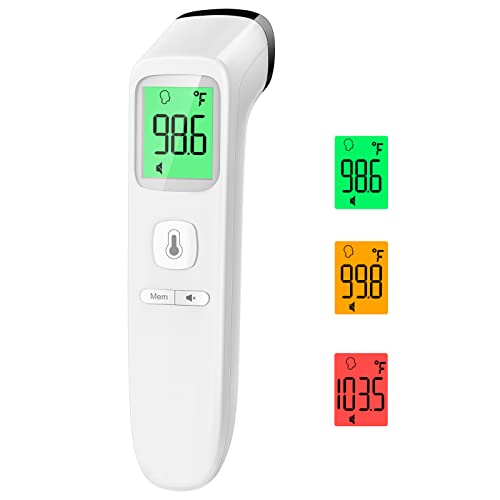
No-Touch Thermometer for Adults and Kids, Accurate Digital Baby Thermometer, Fever Alarm & Silent Mode, 2 in 1 Forehead & Object Mode
Reliable & Accurate: Goodbaby Forehead Thermometer has been clinically tested and found to be a fast and absolutely…
As an affiliate, we earn on qualifying purchases.
As an affiliate, we earn on qualifying purchases.
Conclusion
Remember, flu season can be tough—over 200,000 hospitalizations occur each year due to flu complications. By staying informed, getting your family vaccinated, and practicing good hygiene, you can substantially reduce your child’s risk. Don’t wait until symptoms appear; prevention is your best defense. Protect your loved ones now so they can enjoy a healthy, happy season without the worry of the flu. Stay vigilant, stay safe, and keep your family protected.

Vicks Warm Steam Vaporizer & Humidifier 1.5 Gallon Tank for Small and Medium Rooms, Night Light, Works with VapoPads and VapoSteam
Soothing warm mist for restful sleep: ideal for cold and flu season, this warm steam humidifier helps relieve…
As an affiliate, we earn on qualifying purchases.
As an affiliate, we earn on qualifying purchases.

Motrin Children's Dye-Free Chewable Tablets with Ibuprofen, Kids' Fever Reducer & Pain Reliever for Sore Throat, Fever, Toothache & Pain Relief, Grape Flavor, 24 Ct
24-count of Children's Motrin Dye-Free Chewable Tablets with Grape Flavor helps reduce fever and provides relief from minor…
As an affiliate, we earn on qualifying purchases.
As an affiliate, we earn on qualifying purchases.