

Getting thorough sports physicals for preschoolers is essential to guarantee they’re healthy and ready for active play. These exams check their overall health, including vision, hearing, and musculoskeletal strength, and help identify any underlying issues early. They also promote injury prevention, safety gear use, and proper hydration. By completing these assessments, you create a safer environment for your child’s sports experience. Keep exploring to discover how to make these physicals even more effective.

Turn the school run and nap time into listening time
- Thousands of audiobooks, podcasts and originals
- Listen on your phone, tablet or Echo — also offline
- Cancel anytime
Key Takeaways
- Sports physicals ensure preschoolers are medically cleared and ready for participation in sports activities.
- They assess health, vision, hearing, and musculoskeletal function to prevent injuries and identify underlying issues.
- Completing physicals promotes safety awareness, proper equipment use, and injury prevention strategies for young children.
- Regular physicals support collaboration between parents, coaches, and healthcare providers to maintain child safety.
- Early sports physicals foster lifelong healthy habits and active lifestyles in preschool-aged children.
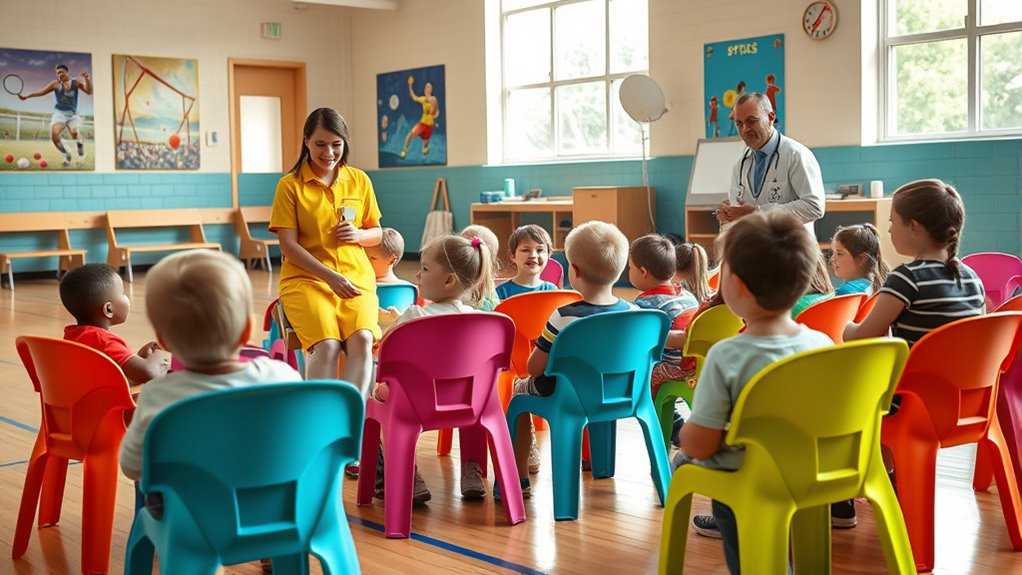
Getting a sports physical before your preschooler joins a sports program is an important step to guarantee they’re healthy and ready to play. This checkup helps identify any underlying health issues that could interfere with their participation and assures they’re physically prepared for the demands of the activity. It’s also a crucial part of child injury prevention because a healthcare professional can spot potential risks and advise you on how to mitigate them. When your child is cleared for sports, you gain peace of mind knowing they’re less likely to experience preventable injuries during play. Moreover, a sports physical promotes physical activity safety by ensuring your preschooler has the necessary strength, coordination, and endurance for the sport they’re about to try.
A sports physical ensures your preschooler is healthy, safe, and ready to enjoy active play.
During the physical examination, the doctor will assess your child’s overall health, including their heart, lungs, vision, hearing, and musculoskeletal system. They’ll also review your child’s medical history, looking for conditions that could be aggravated by sports or require special attention. If your preschooler has any existing health concerns, such as asthma or allergies, these will be factored into their game plan for safe participation. The physical also offers an opportunity to discuss age-appropriate injury prevention strategies, like proper warm-up routines, hydration, and the importance of wearing the right protective gear.
By completing a sports physical, you’re also helping to establish a safety routine that emphasizes the importance of physical activity safety from an early age. Your child will learn that participating in sports isn’t just about having fun but also about staying safe and healthy. Coaches and parents can work together to set rules that prevent overexertion and reduce the risk of falls or collisions. Knowing your child is physically ready and cleared by a healthcare professional encourages better supervision and adherence to safety guidelines, which are crucial in reducing injuries on the field or court.
Additionally, choosing the right vetting process for sports physicals ensures that the assessment is thorough and accurate. Ultimately, a sports physical is a simple yet essential step in your preschooler’s sports journey. It helps you prevent injuries by identifying potential health issues before they become problems and reinforces the importance of safety during physical activity. When your child’s health is checked and approved, you can focus on supporting their enthusiasm for sports, knowing they’re protected and prepared for a safe, enjoyable experience. This proactive approach not only keeps your little athlete safe but also fosters a lifelong appreciation for active, healthy living.
preschool sports physical exam kit
As an affiliate, we earn on qualifying purchases.
As an affiliate, we earn on qualifying purchases.
Frequently Asked Questions
When Should Parents Schedule Sports Physicals for Preschoolers?
You should schedule sports physicals for preschoolers at least a month before they start age-appropriate activities. This guarantees your child’s health is assessed and safety precautions are in place. Early appointments help identify any concerns and allow time for necessary vaccinations or treatments. By planning ahead, you give your preschooler a safe, enjoyable experience in their new activities, promoting their health and confidence from the start.
Are Sports Physicals Covered by Insurance for Preschool Children?
Yes, insurance coverage often includes sports physicals for preschool children, especially if they’re considered part of health screenings or routine checkups. You should check with your insurance provider to confirm if these exams are covered, as coverage can vary. Many plans see sports physicals as preventive care, so they’re typically included, helping you save on out-of-pocket costs and ensuring your child stays healthy and ready for activities.
What Specific Health Issues Are Checked During Preschool Sports Physicals?
During preschool sports physicals, you’ll discover that the doctor checks for injury prevention by examining your child’s muscles, joints, and bones—it’s like a superhero scan! They also review immunizations to guarantee your little one’s protected. The doctor looks for signs of heart issues, vision, hearing, and overall growth. This thorough check helps prevent injuries and keeps your child safe, healthy, and ready to play their favorite games!
How Often Should Preschoolers Have Sports Physicals?
You should have your preschooler’s sports physicals at least once a year to make certain safety guidelines are met and they’re ready for physical activity. Regular check-ups help identify health issues early, keeping your child safe during play. If your child’s health changes or they participate in new activities, consider scheduling additional exams. This proactive approach helps promote healthy development and safe participation in preschool programs.
Can a Preschool Sports Physical Be Done at the Child’s Regular Doctor?
Think of your child’s regular doctor as a trusted gardener who knows their growth best. Yes, you can schedule a preschool sports physical during a routine visit. Being familiar with your child’s health history makes the process smoother. To guarantee availability, call ahead and schedule the appointment, so the doctor can allocate enough time. This way, your child’s health is checked without extra hassle, just like tending to a well-loved garden.
Conclusion
Getting sports physicals for preschool programs is like laying a strong foundation for a building—it supports every step your little athlete takes. When you prioritize their health now, you’re planting seeds for confidence and safety that will grow with them. So, take action today, ensuring their journey into sports is smooth and secure. With a solid start, your child’s love for activity will flourish like a well-tended garden, vibrant and full of life.
Halloween Picks
halloween
As an affiliate, we earn on qualifying purchases.