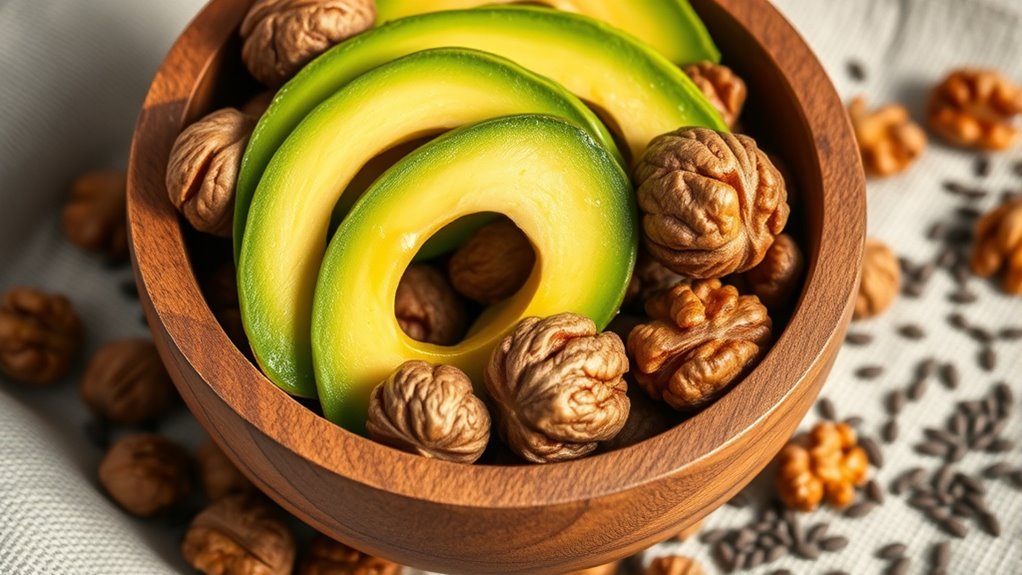

To support your brain development, focus on consuming healthy fats, especially omega-3 fatty acids. These essential fats come from fatty fish like salmon, mackerel, and sardines, as well as plant-based sources such as flaxseeds, chia seeds, walnuts, and algae oils. Regularly including these foods can boost your cognitive health, improve communication between brain cells, and protect against age-related decline. Keep exploring to discover more simple ways to enhance your mental sharpness and overall well-being.
Key Takeaways
- Omega-3 fatty acids from fatty fish and plant sources are essential for supporting brain growth and function.
- Regular intake of omega-3s improves neuron communication, memory, and cognitive performance.
- Whole foods like salmon, walnuts, and chia seeds are preferred for their additional nutrients and health benefits.
- Incorporating healthy fats reduces inflammation and promotes overall brain resilience across lifespan stages.
- Consistent consumption of omega-3-rich foods helps protect against age-related cognitive decline and neurodegenerative diseases.

Have you ever wondered how certain fats can boost your brain development? The truth is, not all fats are created equal, and some play a crucial role in sharpening your mind and supporting cognitive health. One of the most well-known types of healthy fats for brain growth are Omega 3 fatty acids. These fats are essential, meaning your body can’t produce them on its own, so you need to get them through your diet. Omega 3 sources include fatty fish like salmon, mackerel, and sardines, as well as flaxseeds, chia seeds, walnuts, and algae oils. Incorporating these foods into your meals can significantly enhance your brain’s structure and function. When you consume adequate Omega 3s, you’re providing your brain with the building blocks it needs to develop and operate efficiently.
Healthy fats like Omega 3s are essential for brain growth and cognitive health.
The brain boost benefits of Omega 3s go beyond just structure; they also influence your mood, memory, and overall cognitive performance. For example, Omega 3s help increase the fluidity of cell membranes in your brain, which improves communication between neurons. This enhanced communication can lead to better concentration, quicker thinking, and a more stable mood. Moreover, research shows that Omega 3s may help protect your brain from age-related decline and reduce the risk of neurodegenerative diseases like Alzheimer’s. If you’re looking to boost your mental clarity and maintain sharpness as you age, ensuring you get enough Omega 3 sources is a smart move.
In addition to fatty fish and seeds, you can also consider supplements if your diet lacks these sources. However, it’s best to aim for whole foods first, as they provide other vital nutrients alongside Omega 3s. Remember, consistency is key—regularly adding Omega 3-rich foods to your diet can lead to noticeable improvements in brain health over time. Besides, healthy fats like these support not just your brain but also your overall well-being by reducing inflammation and supporting cell health throughout your body.
A growing body of research also highlights the importance of sound recording techniques in understanding environmental influences on brain health, emphasizing the value of authentic sensory experiences.
Ultimately, understanding the importance of healthy fats and incorporating Omega 3 sources into your diet can be a simple yet powerful way to give your brain a natural boost. Whether you’re focusing on memory, mood, or mental clarity, these fats are essential for optimal cognitive function. So, next time you plan your meals, think about including fatty fish or plant-based Omega 3 sources to unlock the full brain boost benefits they offer. Your mind will thank you for it.

Nature's Bounty Fish Oil Omega 3 Supplements – Supports Heart Health, 1200 Mg Fish Oil, Omega-3, 200 Softgels (Pack of 1)
SUPPORTS HEART HEALTH (1): With 1200 mg fish oil supplements and 360 mg omega-3 fatty acids per serving,…
As an affiliate, we earn on qualifying purchases.
As an affiliate, we earn on qualifying purchases.
Frequently Asked Questions
Can Healthy Fats Improve Memory in Adults?
Yes, healthy fats can improve your memory. Incorporating brain-boosting foods rich in omega-3s, like fatty fish and nuts, supports cognitive enhancement. These fats help sustain cell structure and promote better communication between brain cells, which can enhance your focus and memory. Regularly eating these healthy fats guarantees your brain gets essential nutrients, potentially leading to sharper thinking and improved overall mental performance.
Are Plant-Based Fats as Effective as Animal Fats for Brain Health?
Like the tale of the tortoise and the hare, plant-based fats can be just as effective as animal fats for brain health. While animal fats often offer higher fat absorption efficiency, many plant-based options—such as avocados, nuts, and seeds—provide essential fatty acids that support cognition. Consuming a balanced mix guarantees your brain gets the nutrients it needs, regardless of whether they’re from plants or animals.
How Do Healthy Fats Influence Neurotransmitter Production?
Healthy fats boost neurotransmitter synthesis by providing essential building blocks like omega-3s and omega-6s, which your brain needs to produce serotonin, dopamine, and other key chemicals. They also aid in fat-soluble vitamin absorption, vital for overall brain function. When you include healthy fats in your diet, you support efficient neurotransmitter production and enhance your cognitive health, mood, and memory.
What Are the Signs of Omega-3 Deficiency Affecting the Brain?
Did you know that omega-3 deficiency affects about 70% of Americans? When you’re low on omega-3s, you might notice vision problems or mood swings, signaling your brain isn’t getting enough of these essential fats. You may also experience difficulty concentrating, memory issues, or feelings of depression. Recognizing these signs early helps you improve your diet, boosting brain health and overall well-being.
Is There an Optimal Daily Intake of Healthy Fats for Children?
You should aim for a balanced intake of healthy fats based on daily fat guidelines and childhood nutrition recommendations. For children, about 30-40% of their daily calories should come from fats, emphasizing omega-3s and monounsaturated fats. This supports brain development and overall health. Consult with a pediatrician to tailor the right amount, ensuring your child’s diet includes sources like fish, nuts, and healthy oils.

Natural Factors Wild Alaskan Salmon Oil Provides Omega-3, EPA, DHA & Vitamin D, Supports Brain & Heart Health, 180 Softgels
Omega factors: Wild Alaskan Oil provides a healthy source of omega-3 essential fatty acids EPA and DHA to…
As an affiliate, we earn on qualifying purchases.
As an affiliate, we earn on qualifying purchases.
Conclusion
As you nourish your brain with healthy fats, it’s like planting seeds that quietly bloom over time. You might not notice the immediate changes, but with each nutritious meal, you’re fueling your mind’s potential. Sometimes, it’s the simple choices—like adding a handful of nuts or a splash of olive oil—that unexpectedly unveil sharper focus and brighter moods. In this quiet act of care, you’re shaping a smarter, healthier you, one bite at a time.
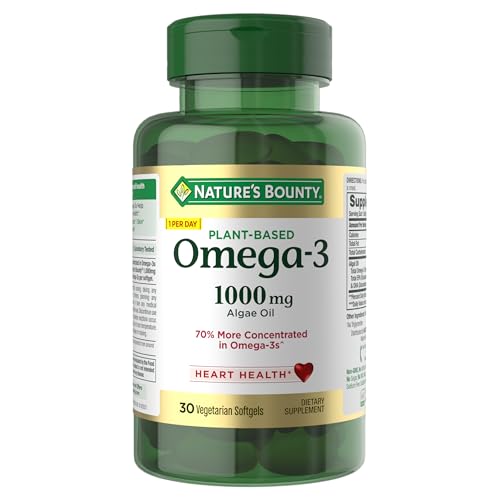
Nature's Bounty Omega 3, Plant-Based Omega 3 Fatty Acid Supplement, 520mg, Supports Whole Body Health Including Heart, Skin, Joint, 30 Vegetarian Softgels, Fish Oil Alternative
CONCENTRATED OMEGA-3 SUPPLEMENT (2) Each softgel delivers 1,000 mg of algae oil; providing 520 mg of omega-3 fatty…
As an affiliate, we earn on qualifying purchases.
As an affiliate, we earn on qualifying purchases.

Badia Trilogy Health Seed, Flax, Chia, Hemp Seeds Blend, High Fiber Superfood Mix, Omega-3, 21 oz
Halal
As an affiliate, we earn on qualifying purchases.
As an affiliate, we earn on qualifying purchases.