

When your toddler starts climbing out of the crib, resists bedtime, or shows curiosity about bigger beds, it’s a sign they’re ready for a change. Look for increased independence and emotional maturity, and make certain routines are stable first. A gradual transition, with a cozy, safe sleep environment, helps ease the switch. Keep watching for signs and prepare thoughtfully — the full guide will walk you through every step to make the process smooth.
Key Takeaways
- Watch for signs like climbing out of the crib, increased independence, and curiosity about a big bed.
- Ensure your child’s developmental milestones and emotional readiness before transitioning.
- Pick a time during stable routines or sleep regressions for a smoother switch.
- Prepare the new bed with a cozy, safe environment, including familiar items and consistent bedtime routines.
- Support your child through gentle, gradual steps, respecting their feelings and encouraging independence.
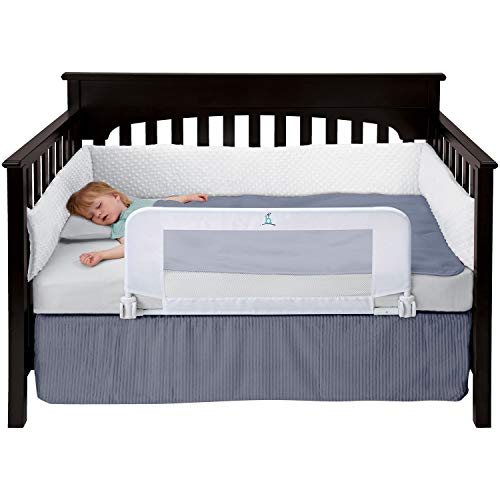
Hiccapop Convertible Crib Bed Rail for Toddlers, Crib Rail Guard with Reinforced Anchor Safety
ONLY CRIB RAIL THAT FIRMLY ANCHORS TO BED FRAME WITH REINFORCED CLAMPS for 100% safety. Cannot slip out…
As an affiliate, we earn on qualifying purchases.
As an affiliate, we earn on qualifying purchases.
How to Tell If Your Toddler Is Ready for a Bed

How can you tell if your toddler is ready to move from a crib to a bed? Look for changes in their sleep patterns—if they’re resisting bedtime or waking earlier than usual, it might be a sign. Additionally, if your child is climbing out of the crib, it’s a clear safety concern and indicates readiness. Pay attention to their ability to follow simple instructions, which helps with tantrum management during the transition. When they’re more independent in their movements and sleep habits, it’s easier to introduce a bed without excessive fuss. Remember, readiness isn’t just about physical ability but also about emotional maturity. If your toddler shows signs of curiosity about the new bed or seems enthusiastic, it’s a good indication they’re ready for the change. Timing for transition can also minimize resistance and make the transition smoother. Recognizing developmental milestones supports safe sleep environments and helps ensure the transition aligns with their growth. Being attentive to sleep readiness cues can further facilitate a positive experience for both you and your child. Additionally, understanding developmental milestones can help you choose the optimal time for a smoother transition.

NUTIKAS Baby Bed Rail Guard for Toddlers – 47" Toddler Bed Side Rails for Twin, Full, Queen Bunk Size Bed Swing Down Bedrail Extral Tall Child Safety Side Railing Guards for Kids
Swing Down Bed Rail: The flip down feature is cool so your child can climb in and out.Putting…
As an affiliate, we earn on qualifying purchases.
As an affiliate, we earn on qualifying purchases.
When Is the Best Time to Make the Switch? Signs and Timing

Choosing the right time to shift your toddler from a crib to a bed depends on both their developmental readiness and timing that works for your family. Look for signs like climbing out of the crib or expressing interest in a big bed. Be mindful of sleep regressions, which can happen during periods of developmental milestones, making transitions more challenging. If your toddler is showing increased independence, improved motor skills, and can follow simple directions, it’s often a good indicator they’re ready. Waiting until these signs align with a stable routine helps guarantee a smoother transition. Avoid rushing, as premature changes can lead to disrupted sleep and frustration for both of you. Timing the switch thoughtfully can set your child up for a successful transition. Additionally, considering natural hormesis effects from herbal calming baths or gentle herbal infusions can help ease your child’s adjustment to new routines, especially during times of developmental change. Recognizing childhood independence as a milestone can further guide your decision-making process. Being aware of developmental milestones can also inform you about the appropriate timing for this important step, ensuring your child is physically and emotionally prepared. Incorporating positive reinforcement techniques during the transition can encourage cooperation and build confidence.

TL Care Heavenly Soft Chenille Fitted Crib Sheet 28" x 52", Warm and Cozy Neutral Chenille Sheet, Gray, for Boys and Girls, Fits Crib and Toddler Bed mattresses
Indulgent Softness & Perfect Fit: Immerse your baby in opulent softness with our Chenille-crafted crib sheets, measuring 28”…
As an affiliate, we earn on qualifying purchases.
As an affiliate, we earn on qualifying purchases.
Preparing Your Toddler for the Bed Transition: Tips for Success

Getting your toddler ready for bed can make the move smoother and more confident. Establishing consistent routines and gentle sleep training help your child understand bedtime expectations, fostering independence over time. We also recommend creating a calm environment that signals to your toddler that it’s time to wind down, which can significantly improve their sleep readiness. Incorporating positive reinforcement strategies, such as praise or small rewards, can motivate your toddler to follow new routines. Encourage your toddler to participate in small choices, like picking out pajamas or a stuffed animal, which boosts their confidence and sense of control. Keep communication simple and reassuring, emphasizing that bedtime is a positive experience. Reinforcing routines consistently helps your toddler feel secure, making the progression less stressful. Supporting their developing independence by allowing them to practice simple tasks, like climbing into bed or turning off the light, builds confidence. Establishing a predictable bedtime routine is essential for creating a sense of security and consistency. Consistent routine scheduling can help your child anticipate and adapt to the new sleep environment more easily. With patience and consistency, your toddler will feel more prepared and comfortable during the transition.

Delta Children Canton Toddler Bed, White
Fits full size crib mattress (mattress, bedding and pillow not included); Strong and sturdy wood construction
As an affiliate, we earn on qualifying purchases.
As an affiliate, we earn on qualifying purchases.
Set Up a Safe, Cozy Bed Environment for Your Toddler

Creating a safe and cozy bed environment is essential to help your toddler feel secure and comfortable as they adjust to their new sleep space. Focus on nursery decor that promotes calmness, using soft colors and simple designs. Confirm bed safety by checking for gaps, securing the mattress firmly, and removing loose bedding or toys that could cause suffocation. To make the space inviting, consider adding a favorite stuffed animal or a nightlight. Keep the area clutter-free, and use a sturdy bed rail if needed. Also, choose a mattress that fits snugly without gaps. Proper bed safety measures are crucial to prevent accidents and ensure peace of mind. This setup encourages a sense of security, making bedtime smoother and helping your toddler settle in happily.
Troubleshooting Common Challenges During the Transition

Despite your best efforts, some common challenges may arise as your toddler adjusts to their new bed. They might resist bedtime routines, fuss during sleep training, or wake up frequently. To ease these issues, keep bedtime stories engaging and calming, creating positive associations with bedtime. If your child struggles with falling asleep, revisit gentle sleep training techniques, like consistent responses and reassuring presence, to build confidence. Avoid rushing or forcing the process, as it can cause frustration. When your toddler wakes up at night, calmly reassure them without creating new sleep dependencies. Establishing a proper sleep environment can significantly improve their sleep quality. Remember, setbacks are normal. Patience and consistency are key. Additionally, understanding the importance of natural sleep cues can help your toddler develop healthy sleep habits. With time, your toddler will adapt, turning bedtime into a peaceful, enjoyable part of the day.
How to Keep Bedtime Routine Consistent After Moving to a Bed

Switching to a new bed can disrupt your child’s familiar bedtime rhythm, but maintaining consistency is key to helping them feel secure. To keep routines steady, stick to familiar steps like bath time, putting on pajamas, and a calming activity. Incorporate bedtime stories that your child loves, making reading a comforting ritual. Consistent sleep training methods will reinforce expectations, even in the new bed. Here are some tips:
- Use the same bedtime and wake-up time daily
- Keep the bedroom environment cozy and familiar
- Follow the same sequence of bedtime activities
- Offer a transitional object, like a favorite stuffed toy
- Maintain calm, reassuring communication during bedtime
Familiarity plays a crucial role in reducing anxiety during transitions, and ambient environment adjustments can further support your child’s adaptation. Consistency helps your child adapt quickly and feel safe, making the transition smoother and more successful.
What to Do If Your Toddler Resists or Isn’t Ready Yet

If your toddler resists the changeover, it’s important to respect their feelings and give them time to adjust. You might consider a gradual approach, like using a toddler bed alongside their familiar crib for comfort. Patience and understanding can make the process smoother for both of you.
Respect Their Feelings
When your toddler resists shifting to a bed, it’s important to recognize and respect their feelings. Pushing too hard can hinder their emotional readiness and make the transition more difficult. Instead, focus on supporting their independence building at their own pace. You can:
- Validate their emotions by listening and reassuring them
- Offer comfort items like a favorite stuffed animal
- Maintain a consistent bedtime routine for security
- Give them time to adjust without pressure
- Celebrate small successes to boost confidence
- Be mindful of safe sleep practices to ensure their comfort and safety during the transition
- Pay attention to developmental readiness signs to determine if they’re truly prepared for the change
- Incorporate child-centered approaches that respect their individual needs and feelings
Consider a Gradual Transition
Since your toddler might not be ready to move to a big bed right away, a gradual shift can make the process smoother. You can start by introducing the new bed during daytime naps, helping your child get comfortable without the pressure of overnight sleep. During this progression, prioritize safety considerations, such as using guardrails and ensuring the bed is sturdy. Incorporate gentle sleep training techniques, like maintaining consistent bedtime routines and reassuring your toddler with comfort objects. If resistance continues, taking small steps allows your child to adjust at their own pace, reducing anxiety and promoting positive associations with the new sleeping environment. Patience is key—this approach helps your toddler feel secure and ready when they’re truly prepared for the big bed.
Frequently Asked Questions
How Long Does the Transition Typically Take?
The change usually takes a few days to a few weeks, depending on your child’s readiness. During this time, you might notice sleep regression or changes in their nap schedule, which are normal. Stay consistent with bedtime routines and offer comfort to ease the process. Keep an eye on their cues, and give them time to adjust at their own pace. Patience helps make the transition smoother for both of you.
What Safety Features Should I Consider for the New Bed?
You might think your child’s new bed is safe enough, but investigating the truth reveals otherwise. To guarantee safety, install sturdy safety rails to prevent falls and keep the mattress at an appropriate height—low enough to minimize injury if they roll out. Regularly check that rails are secure and the mattress fits snugly. These simple features provide peace of mind during your toddler’s progression, making bedtime safer and easier.
Can I Use a Toddler Bed or Does It Have to Be a Regular Bed?
You can definitely use a toddler bed instead of a regular bed, especially if it fits your child’s size and comfort. Just make sure it’s the right bed size, typically smaller than a standard bed, and includes essential safety features like guardrails and a secure mattress. This helps prevent falls and ensures your child sleeps safely. Shifting gradually with the right bed size makes the switch smoother and safer for your little one.
How Do I Handle Night Wakings During the Transition?
Night wakings can feel like an endless loop, but you’ve got this! When your toddler wakes, offer immediate nighttime reassurance with comforting routines like gentle patting or soft singing. Stay calm and consistent; this helps your child feel safe and secure. Keep responses brief and soothing, avoiding over-engagement. Over time, these routines will help your little one settle quickly, making nights calmer for both of you.
What Toys or Comfort Items Help With the Change?
You can help your toddler feel secure during the shift by offering comfort items like a favorite blanket or stuffed animal. Incorporate their favorite toys into bedtime routines to create familiarity and ease anxiety. These comfort items provide reassurance during night wakings, helping your child settle back to sleep faster. Keep the items consistent, and encourage your toddler to use them when feeling unsettled, making the transition smoother and more comforting.
Conclusion
Remember, shifting your toddler to a bed is like guiding a tiny boat through calm waters—patience and gentle steering lead to smoother sailing. Trust your instincts, watch for signs, and create a cozy harbor they’ll love. With consistent routines and a nurturing touch, you’ll help your little one navigate this new chapter with confidence. Before long, their bedtime journey will become a peaceful voyage, full of comfort and sweet dreams.